


A gravel road lined with a rustic log fence on the left and a row of dark-clad gabled cabins with metal roofs on the right, surrounded by pine forest.

AC Repair in Woodland Park, CO

Tell us about the job

Takes about a minute. No obligation.

RepairCentral ACTeller County, CO
Step 1 of 2

What ZIP code is the job in?

Your air conditioner here doesn't work hard for its money. Afternoon highs average just 73°F through June, July and August, and some months don't call for cooling at all. The air stays dry too, with a dew point around 41°F, which is lower than most of the country sees in summer. A compressor that rarely has to strain holds up longer than one running flat out all season in a hot, humid place. So when something goes wrong with yours, age or a worn part is the more likely reason, not years of hard use.

73°F
the average summer afternoon it cools against
26 hail events
in ten years, and hail bends the fins on outdoor coils
99 wind events
in ten years, and wind drives debris into outdoor units
Isometric line illustration of a cutaway single-story house showing interior rooms, ductwork, an indoor air handler or furnace, and a refrigerant line running to an outdoor condenser unit on a pad.
Your air conditioner works hardest from June through July.

NOAA nClimDiv, 1991–2020 normals

Most AC failures start with a worn capacitor, a dirty coil, or a contactor that's pitted from years of cycling on and off.

None of those depend on how hard the compressor works, so a system that's had an easy life can still need one of these fixed.

Your House Is Probably Younger Than Your ProblemHalf the homes in Teller County were built in 1990 or later.

Teller County sees its share of rough weather. Between 2015 and 2024, the county recorded 99 damaging wind events, 26 hail events, and 121 winter storms with heavy snow or ice. An outdoor condenser sits outside through all of it, exposed to whatever blows through or falls out of the sky. Hail can bend the fins on the coil and slow the airflow it needs. Wind-driven debris can nick the coil or jam the fan. A unit that still turns on and blows cold air can be running on a damaged coil or a bent fan blade, so after a hailstorm or a bad wind event, it's worth having someone look even if nothing seems wrong yet.

Fix It. The System Is Probably Younger Than You Think

If your house is one of the newer ones here, built in 1990 or later, there's a good chance the system in it still has real life left. That points to a repair, not a replacement. Get it looked at and fixed.

Find a contractor
An outdoor residential air conditioning condenser unit mounted on a concrete pad, surrounded by gravel with a blue sky in the background.

It Hasn't Been Working That Hard

Your unit isn't putting in long hours. With essentially no real cooling season here, most years it runs in short bursts rather than day after day. That kind of schedule doesn't wear a compressor down the way a full summer of steady runtime would elsewhere. So a repair now is more likely to buy you several more seasons, not just patch over a machine already worn thin. Worth fixing first, before anyone tells you otherwise.

Running Hides the Noise, Not the Problem

A failing capacitor can still start the compressor right up until the moment it can't. A refrigerant leak lets the system blow cold air while the charge keeps dropping underneath it. The unit doesn't announce that it's losing ground. It just keeps running until the part it was straining finally gives out.

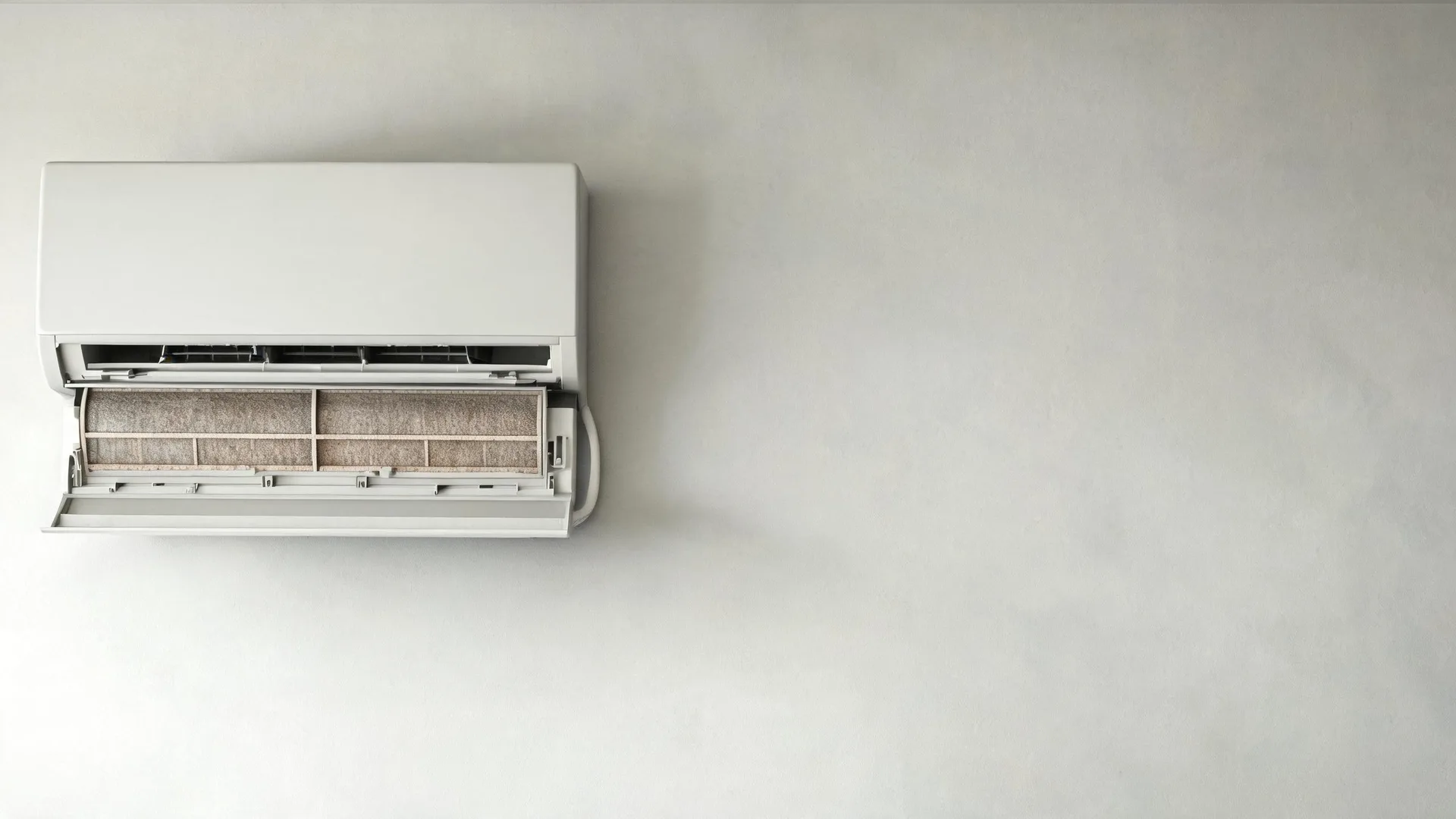
Why That Makes the Repair Bigger

A compressor starved of refrigerant runs hotter than it should, and heat is what kills a compressor for good. A motor pulling against a failing capacitor draws more current than it's built for. Shut the system down at the first sign of trouble and a tech is usually replacing one part. Let it run and the same call can mean replacing the compressor itself.

Overhead view of an outdoor AC condenser unit on a concrete pad next to a house with a dark shingle roof.

A new air conditioner would save little on running costs in Teller County, so the repair decision comes down to the unit's condition.

  • An older air conditioner$10 a year
  • A new one at the federal minimum, 13.4 SEER2$10 a year

Estimates for a typical Teller County home, compared with an older unit built to the previous federal minimum, from EIA household energy data, Colorado fuel prices and NOAA climate normals. Your home will differ.

Repair makes sense when a part like a capacitor or contactor has failed.

Replacement makes sense when the compressor has failed or the system uses R-22 refrigerant, which is no longer made.

A diagnostic visit starts outside at the condenser, checking that the fan spins freely and the coil is clear enough to move air through it. From there the tech hooks up gauges to check refrigerant pressure, since that one reading points toward a leak, a failing compressor, or a restriction in the line before anything gets taken apart. Electrical testing comes next: the capacitor gets checked under load, because a capacitor can measure fine sitting still and still fail to do its job when the compressor actually tries to start. Inside, the tech checks the evaporator coil and the blower, since restricted airflow on that side can mimic a refrigerant problem and send someone chasing the wrong fix. Only after all that does the tech say what's actually wrong, rather than guessing from a single symptom like warm air or a unit that won't start.