






Stone and timber luxury homes with glowing windows line a mountain street at dusk, with evergreen trees and a rocky mountain range in the background.

AC Repair in Cañon City, CO

Tell us about the job

Takes about a minute. No obligation.

RepairCentral ACFremont County, CO
Step 1 of 2

What ZIP code is the job in?

Warm air coming out of the vents is the one most people notice first. Short cycling comes next, where the unit kicks on, runs a few minutes, then shuts off before the house actually cools. Ice on the refrigerant line or the indoor coil means airflow or refrigerant is off, and running it that way can damage the compressor. A hard start, where the outdoor unit hums or clicks but takes a moment to kick on, usually points to a weak capacitor. Water pooling near the indoor unit is the condensate drain backing up, not something to wait out. Any of these is worth a call before it turns into a bigger repair.

80°F
the average summer afternoon it cools against
28 hail events
in ten years, and hail bends the fins on outdoor coils
165 wind events
in ten years, and wind drives debris into outdoor units
Isometric cutaway illustration of a single-story house showing interior rooms, ceiling ductwork connected to an indoor air handler, and an outdoor condenser unit beside the exterior wall.
Your air conditioner works hardest from July through August.

NOAA nClimDiv, 1991–2020 normals

Check the breaker and the thermostat batteries before anything else.

A dead thermostat display or a tripped breaker looks exactly like a failed AC.

Cañon City weather doesn't run air conditioners down. Worn parts do.

487 severe weather events from 2015 to 2024
13% of homes statewide lost power a day or more in 2024
165 damaging wind events from 2015 to 2024
Cañon City weather doesn't run air conditioners downHalf the homes in Fremont County were built in 1981 or earlier, half later. Either way, it's wear on the unit, not the house, that fails.

Summers here top out around 80 degrees on an average afternoon, and plenty of days don't call for the AC at all. That's a light workload compared to most of the country, so the compressor and coil aren't fighting heat all day the way they would elsewhere. When a system here breaks, it's rarely because the machine got pushed past what it could handle. More often it's a part that wore out on its own schedule, or something that got missed on a service call. That's good news if yours is acting up. A repair is usually the right call, not a stopgap before a bigger failure.

Get the usual fix

Nothing about this area is especially hard on it. It's most likely the usual problem with the usual fix.

Find a contractor
A gray residential air conditioning condenser unit mounted on a concrete pad outdoors, surrounded by green grass under a partly cloudy blue sky.

Running it longer doesn't give it a break

A system that's struggling doesn't get better by staying on. Low refrigerant means the coil can't absorb heat the way it should, so ice starts forming on it. Keep running it and that ice spreads, blocks airflow further, and the compressor ends up working against a frozen coil instead of a cold one. A failing capacitor shows the same pattern. The outdoor unit hums and strains to start instead of kicking on clean, and every hard start like that puts more load on the compressor windings until one day it doesn't start at all. Short cycling does its own kind of damage. A unit that shuts off before it finishes a cooling cycle never gets oil circulated properly through the compressor, and it takes that wear on every single cycle. None of these problems fix themselves with time off. They get worse on their own schedule, whether the unit is running most of the day or only kicking on now and then.

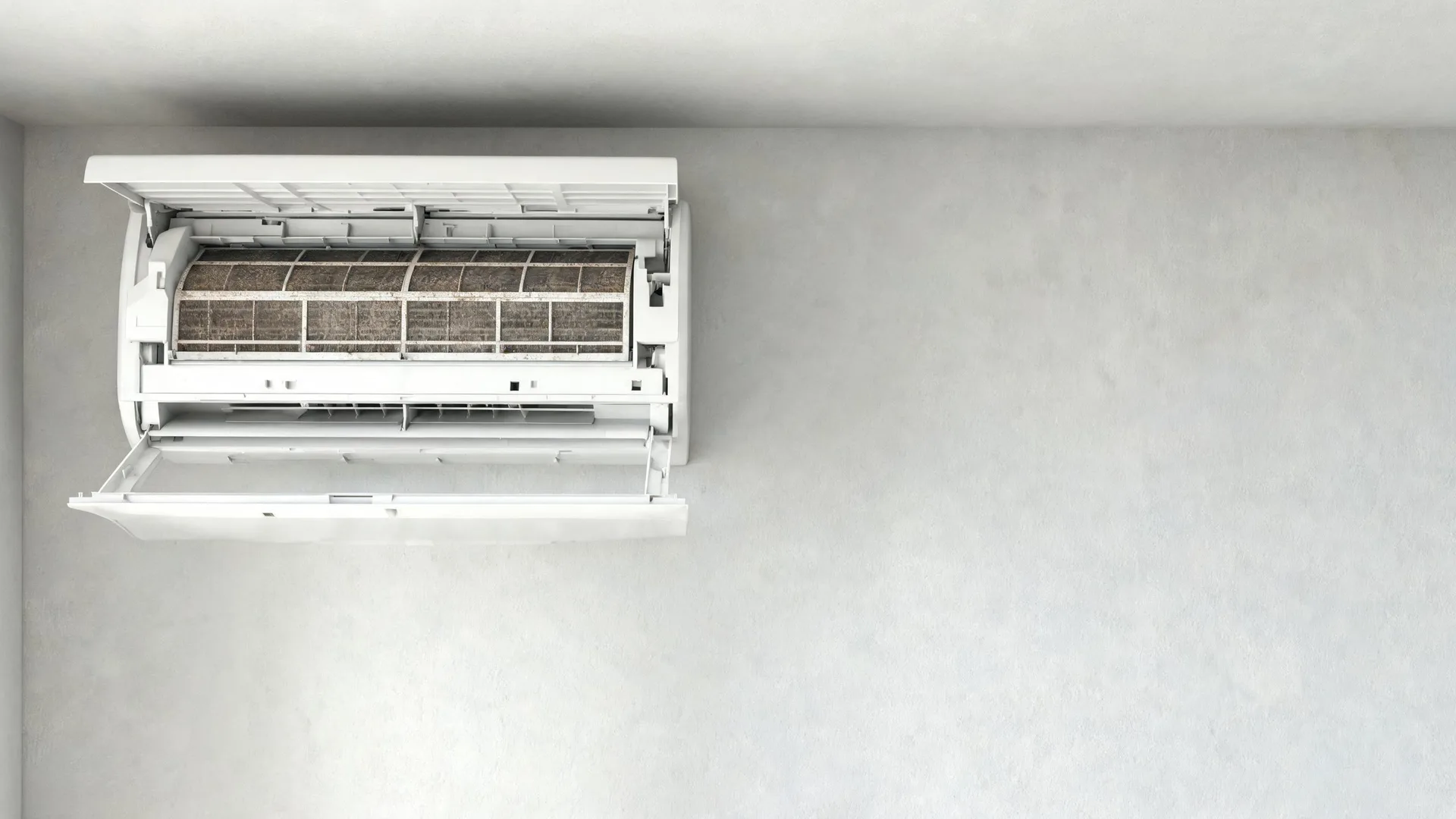
Dirty coils and starved airflow

A clogged filter or a coil caked with dust makes the whole system work against itself. The indoor coil needs airflow across it to absorb heat, and the outdoor coil needs to shed that heat back out. Block either one and the compressor runs hotter and longer than it should, which is how a simple cleaning problem turns into a compressor problem.

Parts that wear out on schedule

Capacitors lose their charge over years of starting the compressor and fan motor. Contactors pit and burn from the arcing every time they close. Fan motor bearings dry out and start to bind. None of these fail because of one bad day. They fail because they've done their job thousands of times and finally quit, which is why a system can run fine for years and then need several small repairs in the same season.

An outdoor air conditioning condenser unit mounted on a concrete pad next to a blue-sided residential house at sunset.

A new air conditioner would save little on running costs in Fremont County, so the repair decision comes down to the unit's condition.

  • A new one at the federal minimum, 13.4 SEER2$70 a year
  • An older air conditioner$80 a year

Estimates for a typical Fremont County home, compared with an older unit built to the previous federal minimum, from EIA household energy data, Colorado fuel prices and NOAA climate normals. Your home will differ.

Repair makes sense when a part like a capacitor or contactor has failed.

Replacement makes sense when the compressor has failed or the system uses R-22 refrigerant, which is no longer made.

A diagnostic call starts outside at the condenser. The tech watches whether the compressor and fan turn on and listens to how they sound doing it. Gauges go on the refrigerant lines next to check the pressures, since that shows whether the charge is right or something is restricting flow. Inside, the coil gets checked for ice or dirt and the filter comes out to see how much air is actually getting through. The capacitor and contactor get tested directly instead of guessed at. A capacitor either holds its charge or it doesn't. A contactor either closes clean or it shows pitting from arcing. The condensate line gets checked too, since a clog there backs up water before it ever shows up as a cooling complaint. By the time all that's done, the failing part is usually obvious rather than a guess.