Aerial view of a square outdoor air conditioning condenser unit on a concrete pad beside a house wall with a sliding glass door.

AC Repair in Aspen, CO

Tell us about the job

Takes about a minute. No obligation.

RepairCentral ACPitkin County, CO
Step 1 of 2

What ZIP code is the job in?

A warm compressor is a warning sign

A compressor that's low on refrigerant or straining against a dirty condenser coil runs hotter than it should. Keep running it that way and the windings inside break down for good. Shutting the unit off and getting it looked at protects the compressor from a failure that doesn't come back from repair.


A frozen coil needs a break, not more runtime

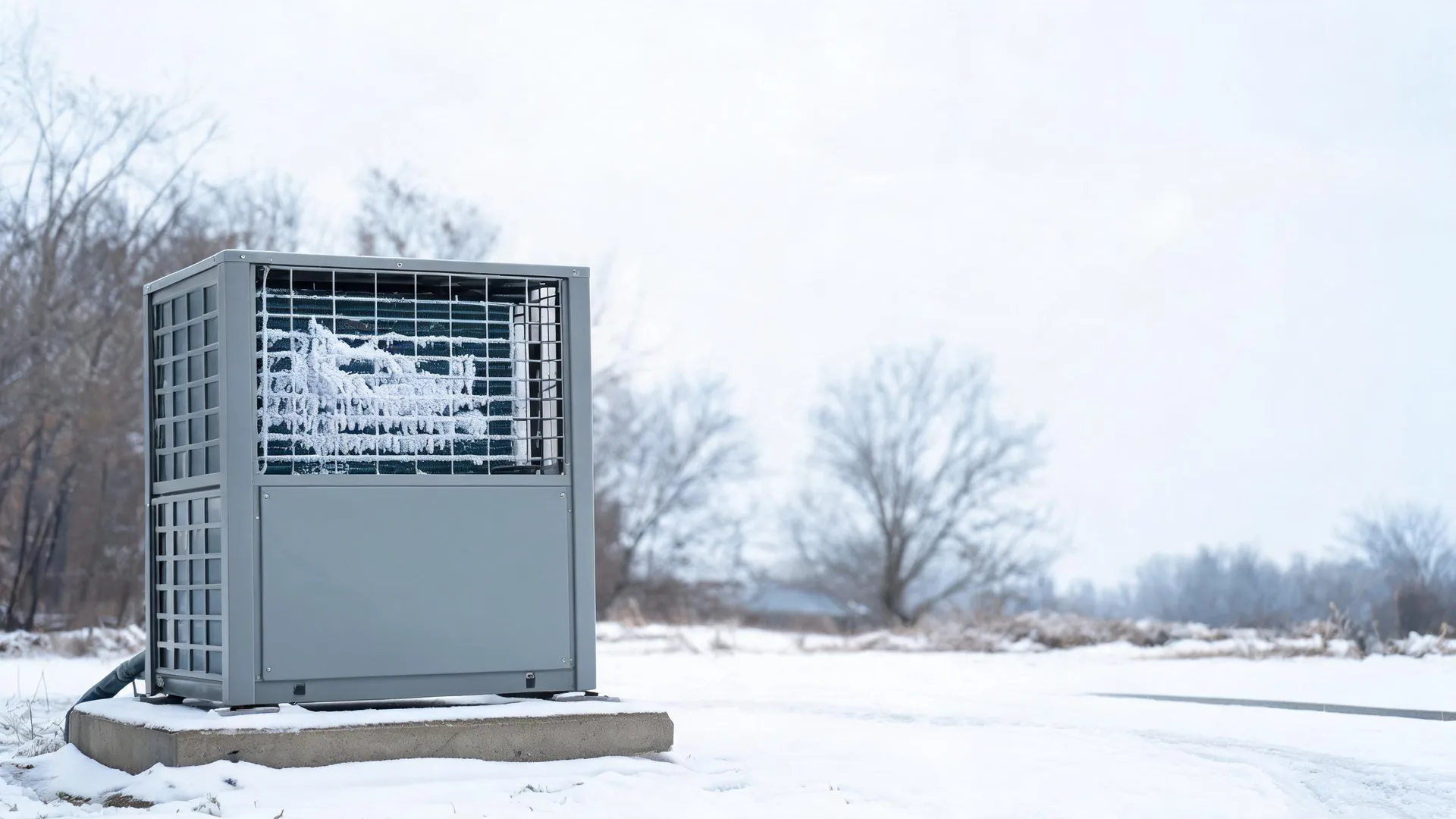
Once ice builds up on the indoor coil, airflow drops and the system cools even less while working just as hard. Letting it keep running doesn't melt the ice, it just adds more. The compressor can take liquid refrigerant back in when that happens, which is a harder problem than whatever caused the coil to freeze in the first place.

70°F
the average summer afternoon it cools against
19 wind events
in ten years, and wind drives debris into outdoor units
Isometric illustration of a cutaway house showing interior rooms, an attic furnace with large ducts, and an outdoor condenser unit connected by a line set, on a white background.
Your air conditioner works hardest from July through July.

NOAA nClimDiv, 1991–2020 normals

Summers here top out around 70 degrees, and some years barely ask the compressor to turn on.

An AC that's spent its life in Aspen hasn't been run hard, so a repair is usually fixing a problem, not undoing years of strain.

A light-duty system is still worth calling someone about

Summer afternoons average 70°F
19 damaging wind events from 2015 to 2024
Power costs 14.92 cents a kWh statewide

Half the houses in Pitkin County were built in 1985 or later. If yours is one of them, the AC you've got was probably sized and installed for that house, not swapped in as a patch job on something older. A system like that still has years in it, especially one that hasn't had to work hard against Aspen summers. Worth asking whoever installed it, or whoever had the house before you, when it went in. A compressor or control board failure on a newer unit is usually a part worth replacing, not a sign the whole system is done.

It's usually worth repairing

It has an easier job here than in most places, so your air conditioner is often in decent shape. Repair is usually worth it.

Find a contractor
A man in a cap, dark jacket and tan work pants carries a worn canvas tool bag up porch steps toward a red front door of a house with gray siding and a potted shrub.
A gray residential air conditioner condenser unit mounted on a concrete pad in an open grass field.

What ages this system isn't the calendar

A compressor that runs for long stretches isn't more tired than one that cycles on and off all day. What ages a part is the cycling, the current spikes, the heat, not time passing. A capacitor wears a little more with every startup, so a unit that short cycles a lot gets through its capacitors and contactors faster than one that runs in long, even stretches. Long runtimes wear things a different way. A compressor that runs for hours without shutting off builds heat in the windings, and a dirty coil or a low charge means that heat has nowhere to go. Short cycling stacks wear on the electrical parts. Long runtimes stack heat on the compressor. A system that's done a lot of both is the one worth watching closest, no matter how long it's been sitting in the yard.

Check the filter and the thermostat first

A filter clogged with dust blocks airflow and makes the whole system work harder than it should. Pull it out and hold it up to a light. If you can't see through it, replace it. While you're at it, check the thermostat is set to cool and the setpoint is actually below room temperature. It sounds obvious, but a bumped thermostat or a dead battery in a wireless one explains a surprising number of no-cool calls.

Look at the outdoor unit before you call

Walk outside and look at the condenser. Leaves, grass clippings or a fallen branch against the coil block airflow the same way a dirty filter does. Clear away anything touching the cabinet and make sure nothing is piled against the sides. If the fan on top isn't spinning at all, or you hear it humming without turning, don't keep flipping the system on and off. That's a sign for a technician, not something to force by restarting it.

Overhead view of a gray residential air conditioning condenser unit mounted on a concrete pad beside a house with asphalt shingle roofing.

A new air conditioner would save little on running costs in Pitkin County, so the repair decision comes down to the unit's condition.

  • An older air conditioner$0 a year
  • A new one at the federal minimum, 13.4 SEER2$0 a year

Estimates for a typical Pitkin County home, compared with an older unit built to the previous federal minimum, from EIA household energy data, Colorado fuel prices and NOAA climate normals. Your home will differ.

Repair makes sense when a part like a capacitor or contactor has failed.

Replacement makes sense when the compressor has failed or the system uses R-22 refrigerant, which is no longer made.

A diagnostic visit starts with questions, not tools. A tech wants to know when the trouble started, whether the system still blows air, and whether that air is warm or just weak. Then it's gauges on the refrigerant lines to check the charge, and a look at the capacitor and contactor since those fail more than anything else in the unit. Electrical readings at the compressor tell him whether it's drawing too much current, which points to windings going bad. He'll check the condenser coil for dirt and the indoor coil for ice, because both choke off the system the same way. Most of this gets answered in the time it takes to walk the system once, outside and in.