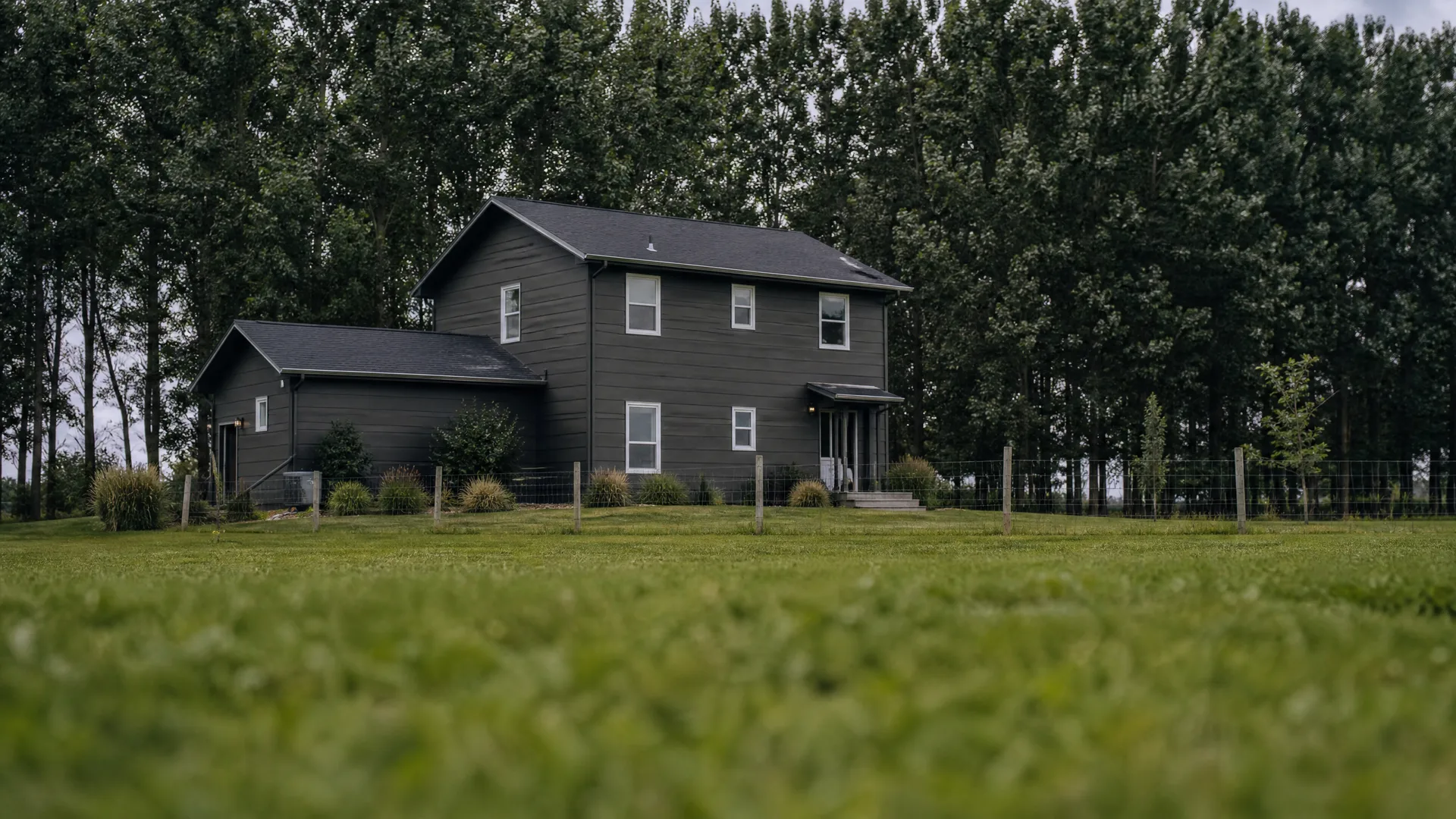




A two-story dark-clad house with white-trimmed windows and a low attached wing, set behind a wire fence and a wide grassy lawn with tall deciduous trees behind it.

AC Repair in Sterling, CO

Tell us about the job

Takes about a minute. No obligation.

RepairCentral ACLogan County, CO
Step 1 of 2

What ZIP code is the job in?

Summers here run June through August, with afternoon highs averaging 87. That's three months of real work for an air conditioner, not year round strain. Hail and wind both show up in this county fairly often, and a storm can bend fins on the outside unit or knock debris into it. Outside of that, a unit here breaks down for the same reasons it would anywhere. A weak capacitor. A low refrigerant charge. A dirty coil. There's nothing about Logan County that wears out an AC faster than normal. The job is finding which of the usual causes is yours.

3 months
June through August, your air conditioner is on duty
87°F
the average summer afternoon it cools against
153 hail events
in ten years, and hail bends the fins on outdoor coils
104 wind events
in ten years, and wind drives debris into outdoor units
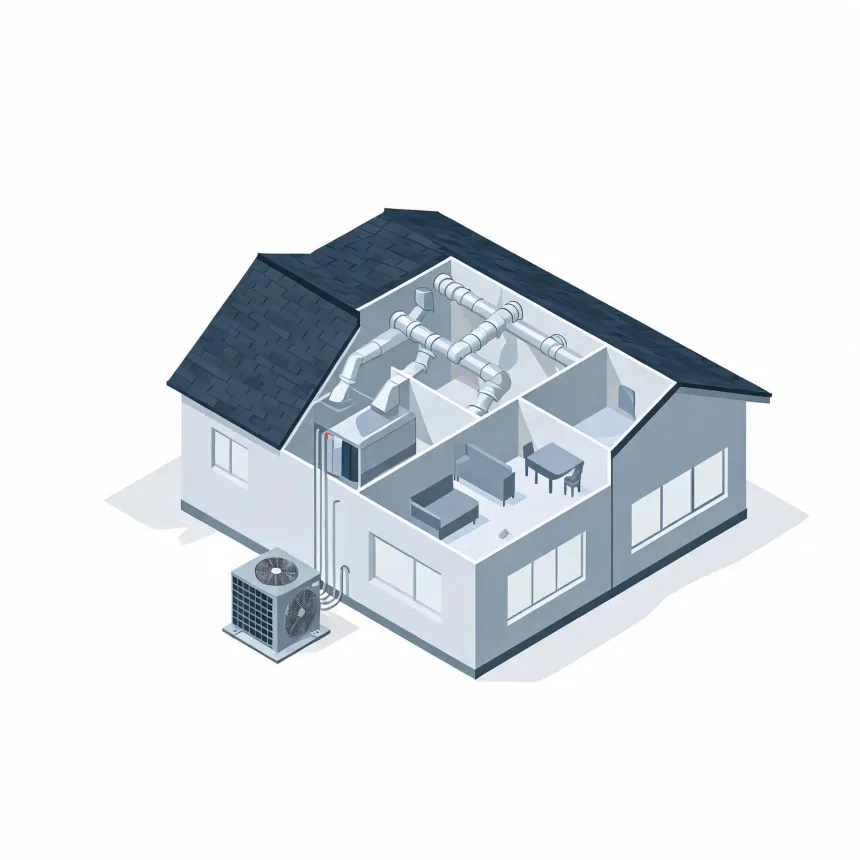
Isometric illustration of a cutaway single-story house showing attic ductwork, an indoor air handler, interior rooms with furniture, and an outdoor condenser unit connected by lines, on a white background.
Your air conditioner works hardest from June through August.

NOAA nClimDiv, 1991–2020 normals

AC use in Sterling picks up in June, right after May.

A part that got weak last summer sits unused until that first hot week in June puts full load on it again.

Summer heat here, not a system built for year-round strain

Power costs 14.92 cents a kWh statewide
Cooling runs June through August
Summer afternoons average 87°F

A tech starts outside, at the condenser. The unit gets power confirmed, then the capacitor gets checked, since a weak one is the most common reason a fan won't spin or a compressor won't start. From there it's refrigerant pressure, checked at the service valves, and a look at the coil to see if it's caked with dirt or buried in grass clippings. Inside, the evaporator coil and the blower get checked too, along with the filter, since restricted airflow can mimic a refrigerant problem. Electrical connections get tested for corrosion or looseness, since a loose wire can cause the same short cycling a bad part does. By the end the tech can tell you which part failed and why, not just that the air isn't cold.

Get the usual fix

Nothing about this area is especially hard on it. It's most likely the usual problem with the usual fix.

Find a contractor
A gray residential air conditioning condenser unit mounted on a concrete pad outdoors, surrounded by green grass under a partly cloudy blue sky.

Ask the tech for the age before the diagnosis

A tech can check the nameplate on the unit and tell you roughly what year it was made. That number is worth asking for before any repair gets decided. A unit running on its original compressor behaves differently than one a few years in, even when the symptom in front of you looks the same.

Warm air from the vents

If the air coming out barely feels cooler than the room, the compressor may not be moving refrigerant the way it should, or the charge has dropped low. It can also mean the problem is outside at the condenser rather than anywhere near the vents themselves.

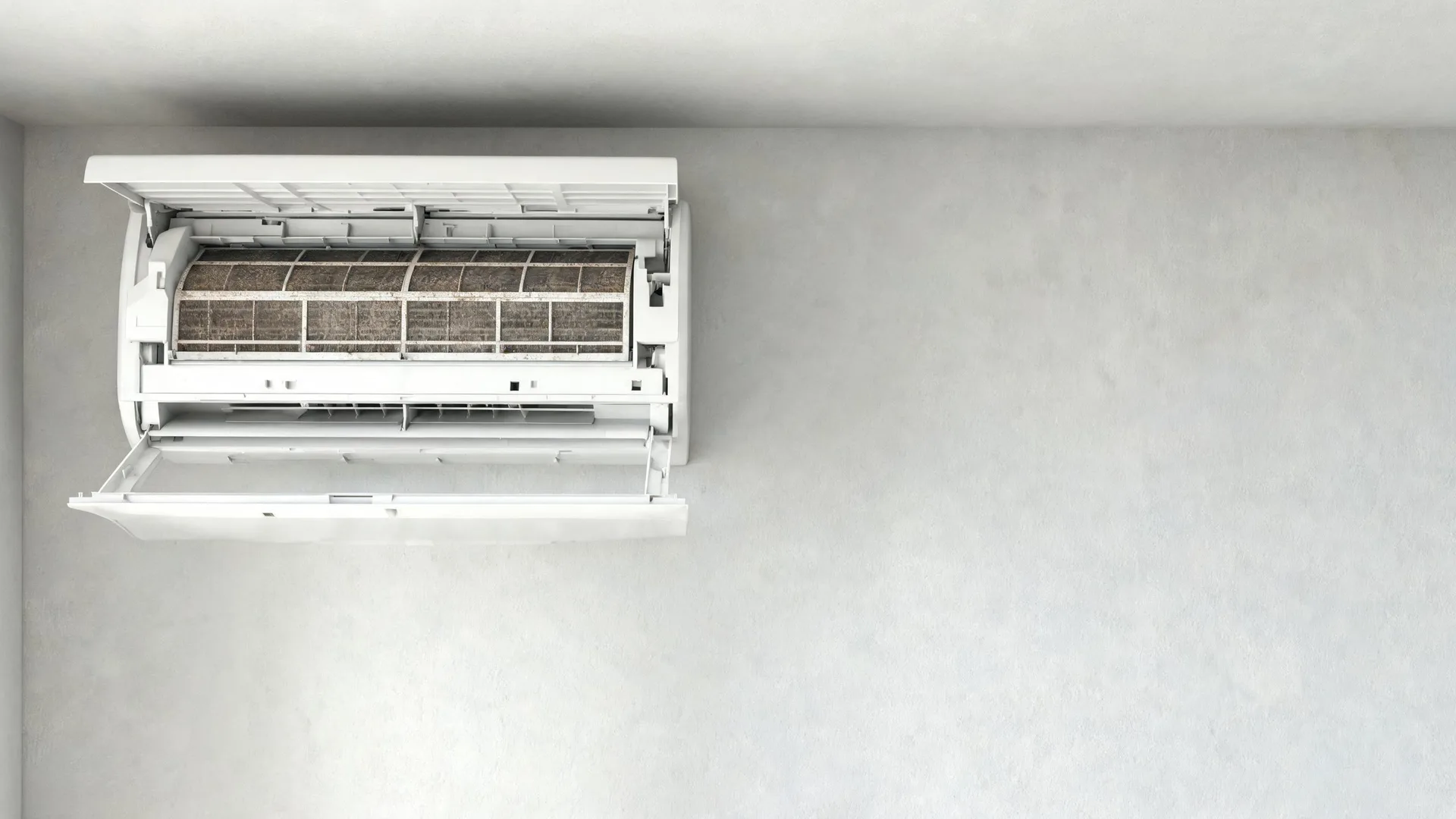
The unit short cycles

A system that kicks on, runs a few minutes, then shuts off before the house cools is usually struggling, not resting. A dirty coil, a failing capacitor, or a clogged filter can all cause this, and running it that way stresses the compressor further.

An outdoor air conditioning condenser unit mounted on a concrete pad next to a blue-sided residential house at sunset.

A new air conditioner would save little on running costs in Logan County, so the repair decision comes down to the unit's condition.

  • A new one at the federal minimum, 13.4 SEER2$330 a year
  • An older air conditioner$350 a year

Estimates for a typical Logan County home, compared with an older unit built to the previous federal minimum, from EIA household energy data, Colorado fuel prices and NOAA climate normals. Your home will differ.

Repair makes sense when a part like a capacitor or contactor has failed.

Replacement makes sense when the compressor has failed or the system uses R-22 refrigerant, which is no longer made.

A repair decision usually comes down to what failed, not just how old the unit is. A capacitor, a contactor, a blower motor, these are normal wear parts, and replacing one brings a working system back without touching anything else. A compressor is different. When that fails, the cost of fixing it starts competing with the cost of a new unit, since everything around a dying compressor has usually logged the same hours. The coil matters too. A coil that's corroded through can't be patched for long, even if the rest of the system is sound. So the real question isn't the unit's age by itself, it's whether the part that failed is one you replace and move on, or one that tends to bring the rest of the system down with it soon after.