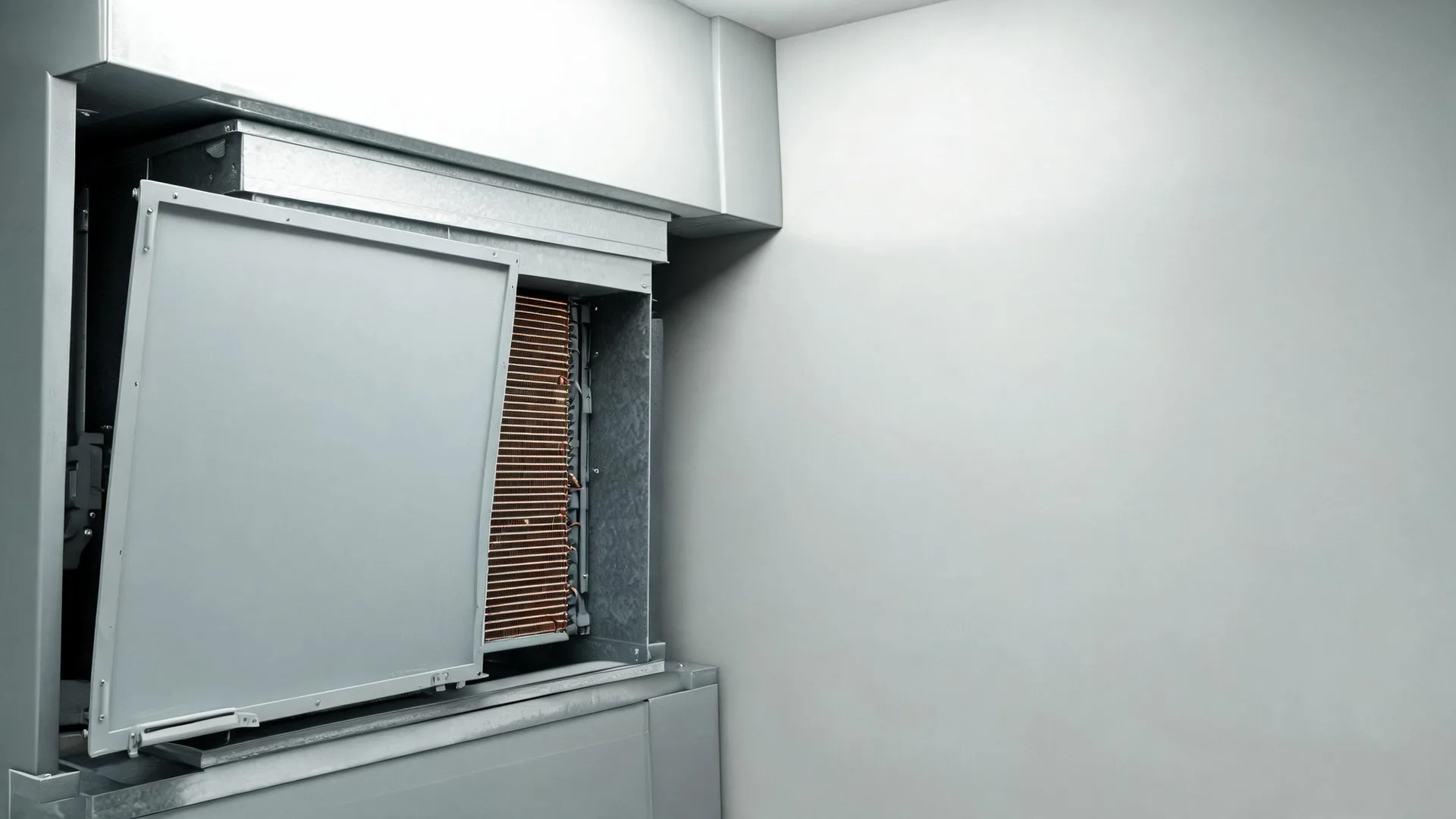
Summers here don't ask much of an AC
Afternoon highs average 73°F in June, July and August, and Manassa doesn't get the stretch of hot months most places do. A system here just doesn't work as hard as one in a hotter place.
Takes about a minute. No obligation.
Afternoon highs average 73°F in June, July and August, and Manassa doesn't get the stretch of hot months most places do. A system here just doesn't work as hard as one in a hotter place.
An AC that hasn't been pushed hard for years is less likely to have worn-out parts from strain. If yours is acting up, age or a specific failed part is the more likely cause, not a unit that's been run into the ground.

NOAA nClimDiv, 1991–2020 normals
Check the thermostat batteries and the setting before anything else
A dead battery or a setting bumped to off looks exactly like a dead system




A straightforward repair makes sense here. Get a contractor to check the capacitor, the contactor, and the refrigerant charge before anything gets replaced wholesale. Those are the parts that fail from age, not from strain, and age is what you're dealing with in Manassa. Wind is worth a look too. The county has seen damaging wind 24 times between 2015 and 2024, enough to knock loose a wire or shift an outdoor unit out of level. If your AC is acting up after a storm, mention that when you call.
It has an easier job here than in most places, so your air conditioner is often in decent shape. Repair is usually worth it.
Find a contractor
A capacitor is the part that gives out most often. It holds a charge that kicks the compressor and fan motor on, and that charge weakens a little every time the system cycles, mild day or brutal day. Years of ordinary cycling wear it down the same way. A contactor wears from the same kind of cause. It's the switch that closes every time the thermostat calls for cooling, and the contact points pit and burn a little each time until they stop making a clean connection. Refrigerant charge drops for a different reason. It doesn't get used up, so a low charge almost always means a slow leak somewhere in the coil or the line set, not old age catching up with it. None of these failures have much to do with how hot it gets outside. They happen on a schedule set by the number of cycles and the age of the parts, which is why a system can run fine for a long stretch and then have the capacitor or contactor go.
The AC runs but the air coming out isn't cold, or it blows warm off and on. Sometimes it's the outdoor unit that goes quiet while the indoor blower keeps running, which points at the contactor or capacitor rather than anything in the ductwork. A hissing sound near the lines or ice forming on the copper line usually means refrigerant is leaking out somewhere.
Short cycling, where the system kicks on and off every few minutes instead of running a full cycle, wears out whatever part is already weak faster. A system that won't start at all, no hum or click from outside, often means the contactor or capacitor has already failed rather than something about to fail. The longer a refrigerant leak runs, the more it can affect the compressor, so that one is worth calling about sooner rather than later.
Estimates for a typical Conejos County home, compared with an older unit built to the previous federal minimum, from EIA household energy data, Colorado fuel prices and NOAA climate normals. Your home will differ.
Repair makes sense when a part like a capacitor or contactor has failed.
Replacement makes sense when the compressor has failed or the system uses R-22 refrigerant, which is no longer made.
A tech who tells you to replace the whole system over a bad capacitor is skipping steps. Most AC failures come down to one part, and a good diagnosis finds that part before anything else gets touched. Replacement makes sense when the compressor itself has failed, or when a system has been patched more than once and keeps finding new problems. Short of that, repair gets the system back to running the way it did before. A unit that's otherwise sound shouldn't be replaced because one component wore out on schedule. Ask what failed and why before you ask what a new system costs.