







Stone and timber luxury homes with glowing windows line a mountain street at dusk, with evergreen trees and a rocky mountain range in the background.

AC Maintenance in Pagosa Springs, CO

Tell us about the job

Takes about a minute. No obligation.

Tune-up, service, or cleaningCentral ACArchuleta County, CO
Step 1 of 2

What ZIP code is the job in?

Skip the yearly tune-up and the signs show up slow, not sudden. Dust builds on the coil and the system has to run longer to pull the same heat out of the air. A dirty filter chokes airflow, and the blower motor works harder to push air through it. The capacitor that gets the compressor started weakens a little more each season until one day it just doesn't have the kick left. None of this trips a breaker or throws a code. The unit just quietly wears harder on itself, season after season, until the day it doesn't start at all.

78°F
the average summer afternoon it cools against
1 hail events
in ten years, and hail bends the fins on outdoor coils
7 wind events
in ten years, and wind drives debris into outdoor units
Isometric grey illustration of a cutaway single-story house showing interior rooms, ceiling ductwork connected to an indoor air handler, and an outdoor condenser unit linked by lines outside the wall.
Your air conditioner works hardest from July through August.

NOAA nClimDiv, 1991–2020 normals

A clogged drain line backs up and the pan overflows.

Check that line before summer and a soft shutoff beats water on the floor.

78 degrees on the hottest afternoons means the compressor rarely has to work hard

Summer afternoons average 78°F
Power costs 14.92 cents a kWh statewide
Climate zone 6B
Newer systems still have a long life aheadHalf the homes in Archuleta County were built in 1996 or later

A yearly check still earns its keep even when the compressor barely breaks a sweat. A tech can look at the capacitor, clean the coil, and check the refrigerant charge before any of that turns into a no-start call on the one hot afternoon you need the thing to run. Light duty doesn't mean no duty. Parts still age and contacts still corrode, so a system that's coasted along fine for years can still have a weak capacitor hiding in it. Catching that in spring beats catching it in July.

Keep up the yearly check

Easy duty still wears parts. A yearly check keeps it going a long time.

Find a contractor
A man seen from behind in a dark shirt and tan pants carries a canvas duffel bag up concrete steps toward a red front door, with a potted shrub to the right.
A gray residential air conditioner condenser unit mounted on a concrete pad in an open grass field.

The system usually asks first

A system that's run fine for years can still be a few weeks from trouble, and there's usually a sign before the breakdown. Warm air out of the vents when the thermostat is set low points to a refrigerant leak or a compressor losing its grip. A hissing or bubbling sound near the lines means refrigerant escaping somewhere it shouldn't. Ice on the coil usually means airflow is restricted, often nothing more than a filter that should've been swapped out weeks ago. Short cycling, where the unit kicks on and off every few minutes instead of running a full cycle, wears on the compressor every time it happens. A musty smell from the vents points to moisture sitting somewhere in the system, maybe a drain line that's not draining. None of these mean the unit is done. They mean it's asking for a look before the part that's struggling quits for good.

Readings a filter change can't give you

A tech checks refrigerant pressure against what the system is supposed to run at, and that number catches a slow leak long before warm air out of the vents gives it away. Static pressure readings across the coil show if airflow is restricted even when nothing looks wrong at the vents. These aren't things you can see or feel standing in the house.
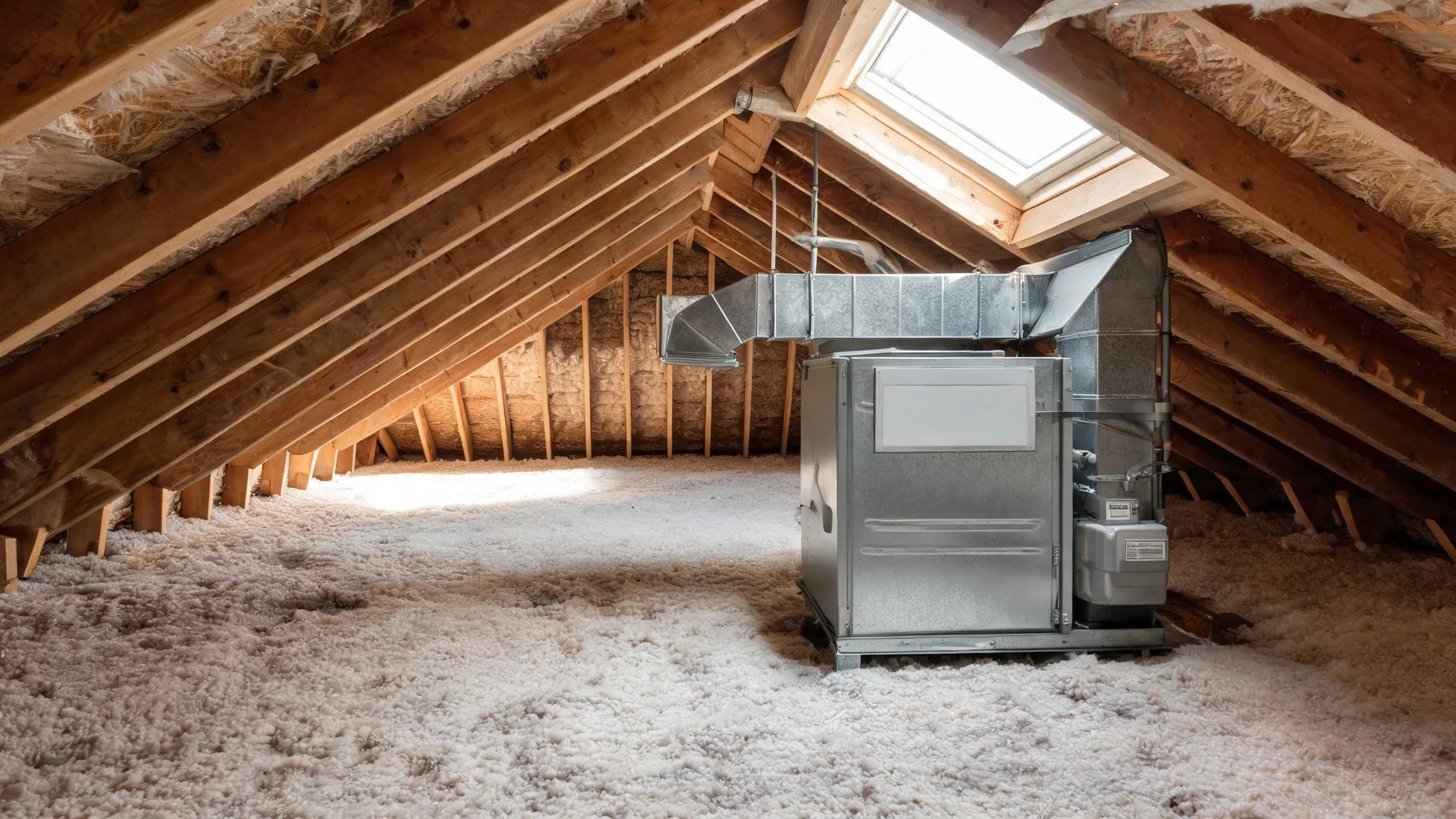
What gets measured instead of guessed

Amp draw on the compressor and fan motor tells a tech if either one is pulling harder than it should, a sign of bearings or windings wearing out before they fail outright. Capacitor strength gets tested against its rating rather than judged by whether the unit happens to start that day. A part can still start the system and be most of the way to failing.

Between visits, the filter is the one thing worth checking yourself. Pull it out, hold it up to a light, and if you can't see through it, swap it. A clean filter keeps airflow where it belongs, over the coil and out through the vents. Keep the outdoor unit clear too. Grass clippings, leaves, and anything piled against the cabinet block the airflow it needs to dump heat outside. Walk past the indoor vents once in a while and make sure furniture or rugs aren't covering them. None of this replaces a real inspection, but it keeps the system from working against itself in the meantime.

A tune-up is more than a filter swap and a glance at the thermostat. A tech pulls the panel and checks the capacitor and contactor, the parts that get the compressor started every single cycle. The coil gets inspected and cleaned, since dust on the coil makes the whole system work harder to move the same heat. Refrigerant charge gets checked against the number the system is built to run at, not just topped off by feel. The condensate line gets checked too, because a clog there is what sends water into the pan and onto the floor. Electrical connections get tightened, since a loose connection generates heat and that heat wears on the part around it.