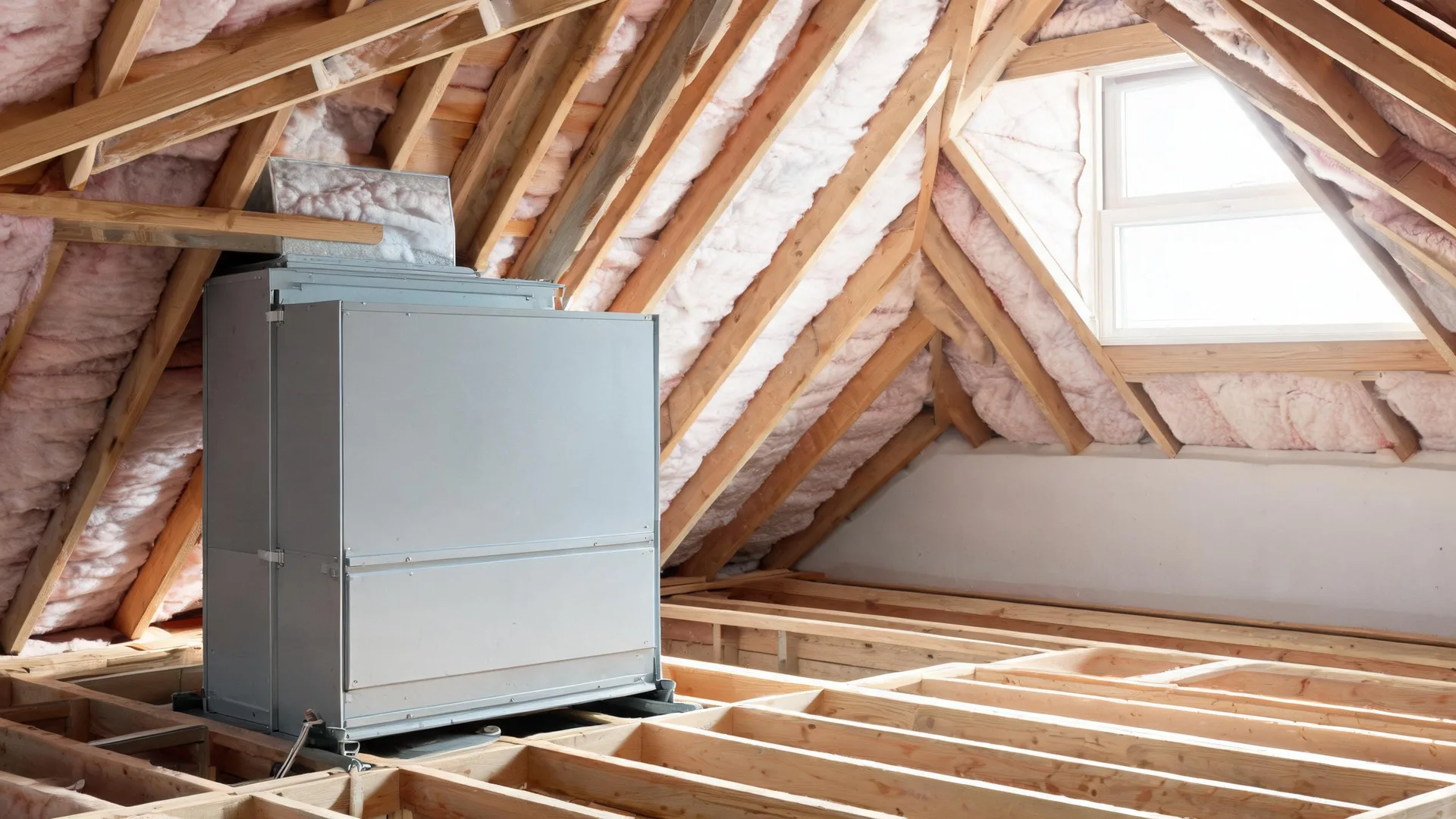
This county gets hit hard
Boulder County logged 408 severe weather events between 2015 and 2024. That includes 125 hail events, 120 days of damaging wind and a tornado. A system sitting outside takes that on directly.
Takes about a minute. No obligation.
Boulder County logged 408 severe weather events between 2015 and 2024. That includes 125 hail events, 120 days of damaging wind and a tornado. A system sitting outside takes that on directly.
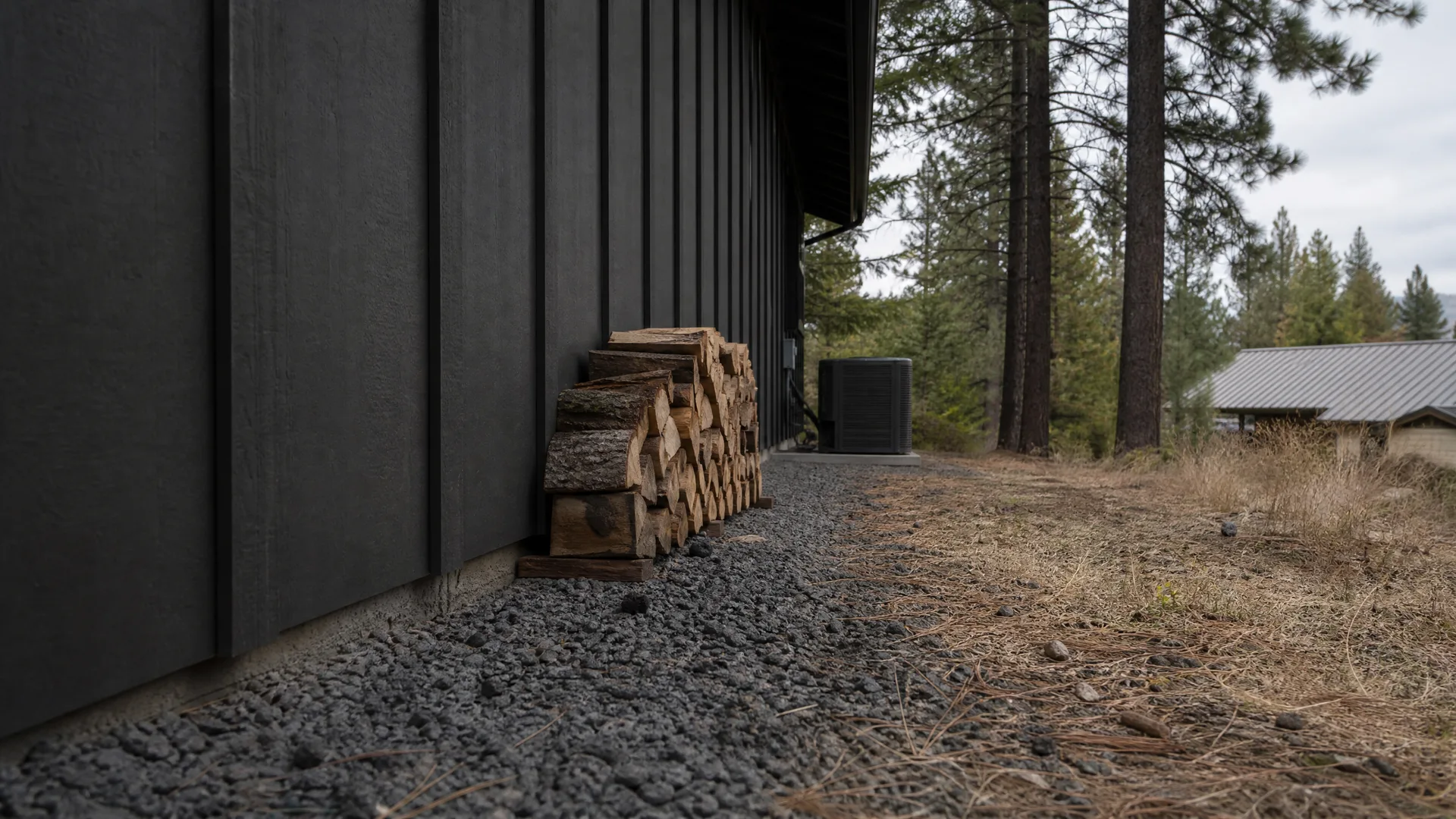
Your outdoor unit has no cover from hail or wind-blown debris. A dented cabinet or bent fins can cut airflow long before the unit fails outright, and you won't see it from inside the house.
NOAA nClimDiv, 1991–2020 normals
A clean filter is the one thing a homeowner can check without any tools.
Swap it when it looks gray, and keep the area around the outdoor unit clear of leaves and clippings.



If your system is still within its working life, a yearly check is what keeps it there. A tune-up catches the dented fin or the weak capacitor before it turns into a breakdown on the first hot week. It's the same visit whether the unit is five years old or twenty, but on a newer system that checkup is what gets you the years you're expecting out of it, not just the years you happen to get. Have it looked at each spring, before the heat sets in, not after something trips.
A tune-up before the heat sets in is when a contractor finds the hail damage or the bent fin, not after the next storm rolls through. Get the outdoor unit checked now, while it's still working fine.
Find a contractor
A quick visit means someone glances at the outdoor unit, checks the pressure, and leaves. A thorough one means the panels come off. The tech washes the coil instead of just looking at it, because a coil can look clean and still be coated in a film that blocks heat transfer. They check the capacitor's actual output, not just whether the fan spins. They check refrigerant level against the temperature split between the air going into the system and the air coming out, not just a gauge reading. They tighten the electrical connections, because a loose one heats up and fails long before the part it feeds does. They check that the condensate drain is clear, since a clogged one backs up and shuts the system down on its own. A fast tune-up checks that the unit runs. A real one checks why it might stop.
A capacitor can be weeks from failing and still kick the fan on every time you test it. A contactor can have burned points and still close the circuit. None of this shows up by standing outside listening to the unit run. It shows up when someone pulls the panel and looks at the part itself, not just what it does when it's still working.
A system low on refrigerant will still blow cold air, just not as cold, and a few degrees' difference is hard to notice day to day. A coil losing its grip on heat transfer will still cool the house, just slower, and the system runs longer to get there. The thermostat only tells you the air is cold. It can't tell you the unit is working harder than it should to make it that way.
Skip enough tune-ups and the failures start stacking on each other. A capacitor that's been running weak for a season puts extra strain on the compressor every time it starts, because the compressor isn't getting the jolt it needs to start clean. A dirty coil makes the whole system run longer to do the same job, and that extra runtime wears on the fan motor and the compressor right along with it. None of this shows up as one clear problem. It shows up as a system that costs more to run, struggles on the hottest days, and then fails at the worst possible time instead of on a schedule anyone could plan for. A yearly check breaks that chain while each part is still small and cheap to deal with on its own.
A tune-up is a fixed list, not a glance. The tech checks the refrigerant charge against the temperature split, not just whether the gauge moves. The capacitor gets tested under load, since a weak one can still spin the fan and still be close to done. The coil gets washed, because dirt on it blocks heat transfer even when it looks fine from a few feet away. Electrical connections get tightened, since a loose one heats up and burns before the part it feeds ever fails. The condensate drain gets cleared, so it can't back up and shut the system down on its own. Leave any one of these out and you've checked that the unit runs, not what's about to stop it.