





Aerial view of a gray central air conditioning condenser unit on a concrete pad next to a house with vinyl siding.

AC Maintenance in Craig, CO

Tell us about the job

Takes about a minute. No obligation.

Tune-up, service, or cleaningCentral ACMoffat County, CO
Step 1 of 2

What ZIP code is the job in?

Cooling in Craig runs one month a year, July. That short a season means the system sits idle most of the time, then has to work hard as soon as it starts. June is the month to get it checked, before that first hot stretch asks something of it. A capacitor or a low charge that would have caused trouble anyway shows up in a tune-up, not in the middle of a hot week with the system already running. Book it for June.

1 months
July through July, your air conditioner is on duty
81°F
the average summer afternoon it cools against
4 hail events
in ten years, and hail bends the fins on outdoor coils
82 wind events
in ten years, and wind drives debris into outdoor units
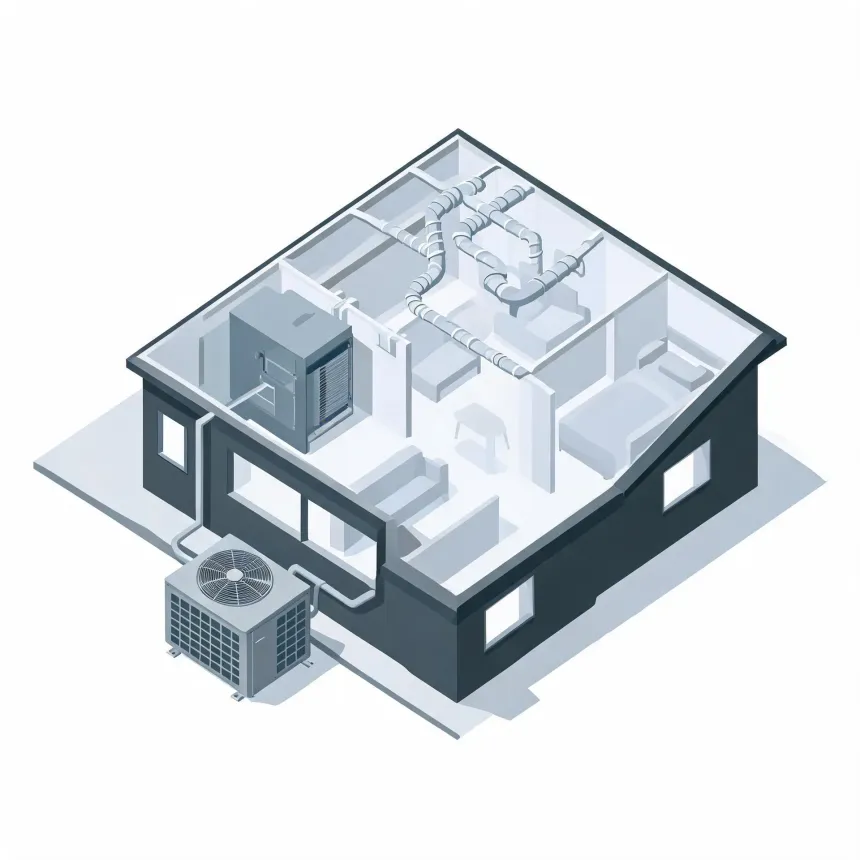
Isometric cutaway illustration of a small house showing interior rooms with furniture, ceiling ductwork and an air handler, plus an outdoor condenser unit connected by refrigerant lines beside the building.
Your air conditioner works hardest from July through July.

NOAA nClimDiv, 1991–2020 normals

Afternoon highs in Craig average 81 degrees through June, July and August, nothing a condenser has to strain against.

Mild summers mean less load on the compressor over the years, so a yearly check is what keeps it reliable, not a fight against wear it never sees.

Weather here is hard on a house. It is not hard on a tune-up.

277 severe weather events from 2015 to 2024
13% of homes statewide lost power a day or more in 2024
82 damaging wind events from 2015 to 2024

Half the homes around Craig were built in 1977 or earlier. A system that old in the house has usually been replaced at least once, so what's running now may not match what the house started with. That doesn't change how often it needs looking at. A tune-up checks the same things on a new system and an old one, the capacitor, the refrigerant charge, the condenser coil. Mobile homes are about a fifth of the housing stock here, and those get checked the same way as any other, once a year.

Book it before the season

It starts running hard in the first month of the season here. Book the check the month before.

Find a contractor
A man in a gray long-sleeve shirt, olive pants, cap and boots walks up porch steps toward a red front door, carrying a canvas tool bag beside a potted plant in a terracotta pot.
An outdoor air conditioning condenser unit mounted on a concrete pad beside a house, with electrical conduit running to a wall-mounted disconnect box.

What a real tune-up actually touches

A quick visit gets you a filter check and a glance at the readout. That catches almost nothing. A thorough tune-up means the technician takes the panel off and looks at the capacitor itself, not just whether the unit turns on. They check refrigerant pressure against what the system calls for, rather than assuming it's fine because air comes out cold. The condenser coil gets cleaned, not just looked at, since a coil caked with debris makes the compressor work harder all season. Electrical connections get tightened, because a loose one builds resistance and heat over time. The contactor gets checked for pitting. None of this shows up if the only thing done is swapping a filter and closing the panel back up.

The filter protects the coil, nothing more

A dirty filter chokes airflow across the evaporator coil. Less air moving over it means the coil can't give up heat the way it's supposed to, and if airflow drops enough the coil can ice over even on a hot day. Changing the filter doesn't make the system cool better than it's designed to. It just stops the system from working against itself.

The drain line is the part nobody checks

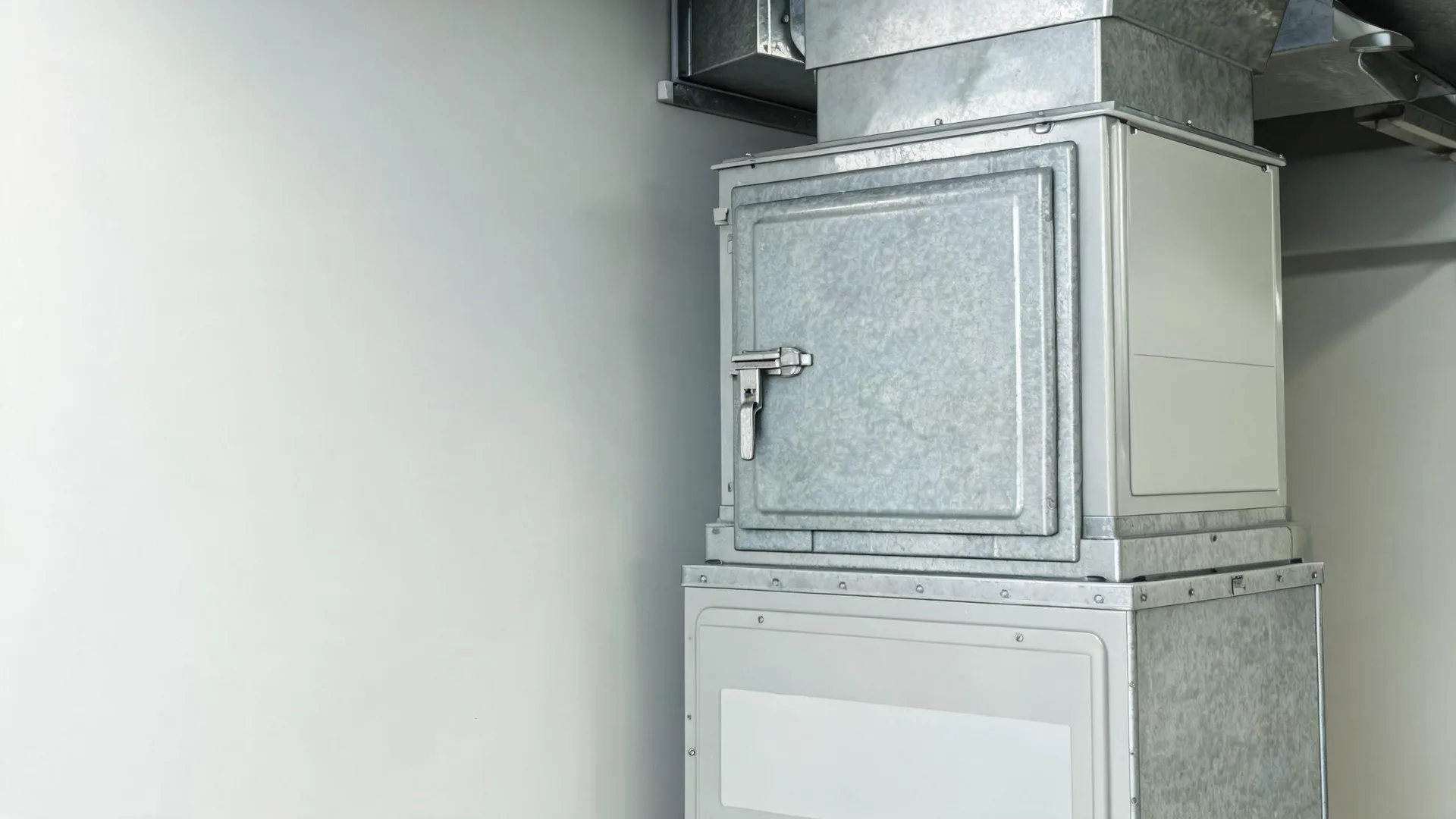
Condensate has to leave the system somewhere, and it leaves through a small drain line that clogs with algae and dust over time. A clogged drain backs water up into the pan, and once that pan overflows it's dripping into the house, not just inside the unit. Clearing the drain line and checking the float switch during a tune-up prevents a water problem that has nothing to do with how cold the air feels.

An overhead view of a residential air conditioning condenser unit mounted on a concrete pad next to a house with vinyl siding.

Book your AC tune-up in June, before homes here start needing cooling in July.

  1. Jan
  2. Feb
  3. Mar
  4. Apr
  5. May
  6. Jun
  7. Jul
  8. Aug
  9. Sep
  10. Oct
  11. Nov
  12. Dec

A tune-up checks the refrigerant charge, cleans the coils, tests the capacitor and tightens the electrical connections.

A tune-up is only worth what gets checked, not whether the unit runs after. The capacitor gets tested under load, since a weak one can still start the system that day and fail the first hot week after. Refrigerant gets checked by pressure and temperature split, not by guessing from how cold the air feels at the vent. The condenser fan motor gets watched for a bearing starting to go, which sounds like a rattle before it sounds like nothing. Contactor points get looked at for pitting, since a pitted contactor runs hotter and wears faster once it's carrying a full season's worth of cycles. Every one of these can be fine on the outside and wrong underneath, which is the whole reason to open the panel instead of just reading a gauge.