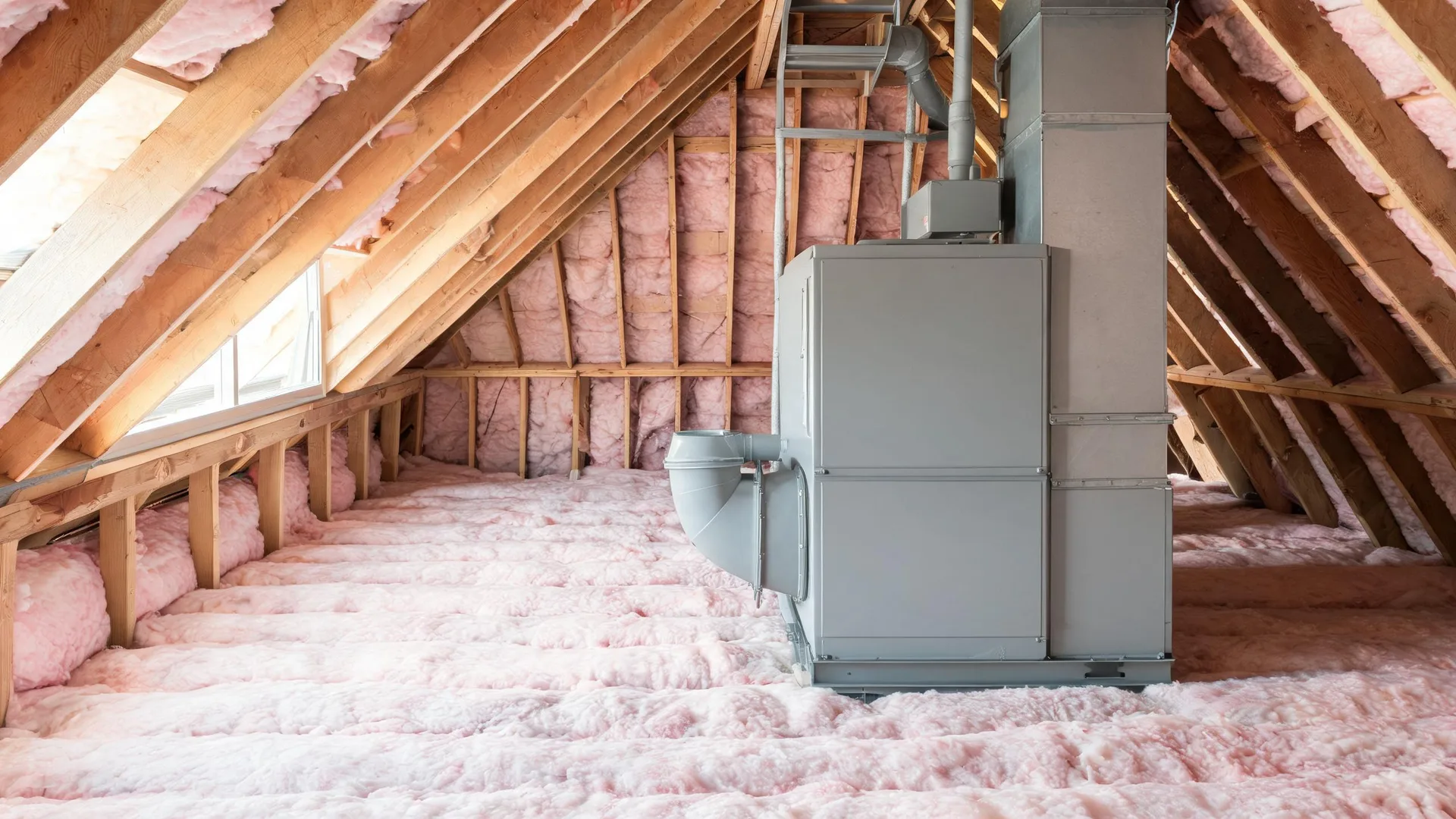
When the filter clogs, less air moves across the evaporator coil. That coil needs steady airflow to stay above freezing. Starve it and the coil ices over, which cuts cooling further and can push liquid refrigerant back toward the compressor, a part that is not built to handle it.
The drain line is doing more than it looks like
The evaporator coil pulls moisture out of the air as it cools it, and that water has to go somewhere. It drips into a pan and down a condensate line. If that line clogs with algae or sludge, the pan backs up and overflows, usually right where the air handler sits, onto a floor or ceiling below it.
80°F
the average summer afternoon it cools against
28 hail events
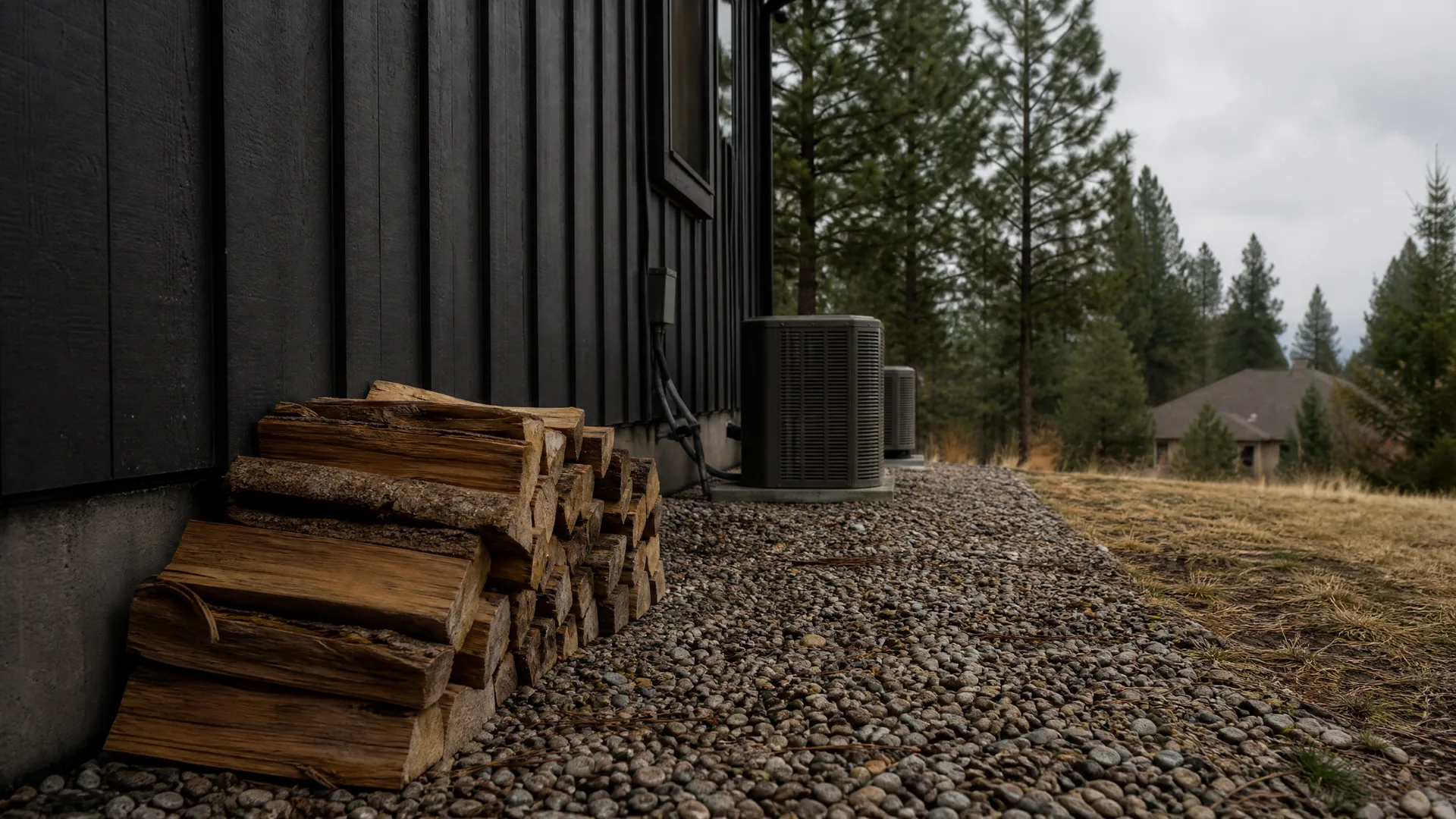
in ten years, and hail bends the fins on outdoor coils
165 wind events
in ten years, and wind drives debris into outdoor units
Your air conditioner works hardest from July through August.
Jan
Feb
Mar
Apr
May
Jun
Jul
Aug
Sep
Oct
Nov
Dec
NOAA nClimDiv, 1991–2020 normals
The filter is the one part the homeowner controls
Check it every month and swap it when it's gray, not when it's black
Cañon City sees its share of rough weather. None of it asks more of this system than once-a-year maintenance can handle.
487 severe weather events from 2015 to 202413% of homes statewide lost power a day or more in 2024165 damaging wind events from 2015 to 2024
One visit a year covers itHalf the homes in Fremont County were built in 1981 or earlier. That doesn't change what this system needs.
Cañon City doesn't ask much of an air conditioner. Summer afternoons average around 80 degrees, and the rest of the year calls for no cooling at all. That's a light load compared to most of the country, and it means the compressor and coil spend most of their life sitting idle rather than straining. But idle parts still age. Refrigerant pressure still needs checking, electrical connections still loosen over time, and a coil can collect dirt whether it runs hard or barely runs at all. A yearly check before the warm months catches that wear before it turns into a breakdown.
A quick visit gets you a glance at the filter and a number on a gauge. A thorough one gets you both coils cleaned, not just the one you can see from the access panel. It gets the condensate line flushed, not just checked for a drip. It gets the electrical connections at the disconnect and the contactor checked for pitting, because a loose connection runs hotter and hotter until it fails. It gets the capacitor tested against its rating, not just eyeballed, since a weak one still lets the unit start but makes the compressor work harder to get there. It gets refrigerant checked by weighing against what the system calls for, not topped off by guess. Ask what gets touched, not just what gets looked at.
A fraying contactor doesn't announce itself
The contactor switches power to the compressor every time the unit cycles on. Each cycle pits the contact points a little more. A pitted contactor can still close the circuit, so the unit keeps running right up until the point it doesn't start at all. From outside the cabinet there's no way to see the wear building up.
A reading on the gauge means nothing without the number it's supposed to match
Refrigerant charge is specific to the system, set by the manufacturer for that coil and that compressor. A gauge shows what pressure is in the lines right now, but only checking that pressure against the target number tells you if the charge is actually right. A system can run low and still blow cold air for a while before the compressor starts paying for it.
A system that needs a repair usually says so first, if you know what to listen for. Warm air from the vents when the thermostat is set low enough to run. A hum at the outdoor unit when nothing is moving, which points to a motor that won't start on its own. Short cycles, where the unit kicks on and off in a few minutes instead of running a full cycle. Ice on the lines or the coil, even in the middle of a hot afternoon. Water around the indoor unit that wasn't there before. None of these mean the system is done. They mean something inside it is working harder than it should to do the same job, and that's worth a look before it's the reason the air stops coming out cold at all.
A tune-up starts outside, with the condenser fan blade and the coil fins. Dirt and grass clippings pack into those fins over a season and block airflow the same way a dirty filter does, so part of the visit is washing that coil out, not just glancing at it. Inside, the blower wheel gets checked for dust buildup, since a caked wheel moves less air even at full speed. The thermostat gets tested too, confirming it's calling for cooling and shutting off at the right point rather than drifting. A tune-up also means running the system through a full cycle and watching how it responds, not just checking parts while it sits off. A unit that starts fine but struggles to hold steady once it's running points to something a static check would miss.