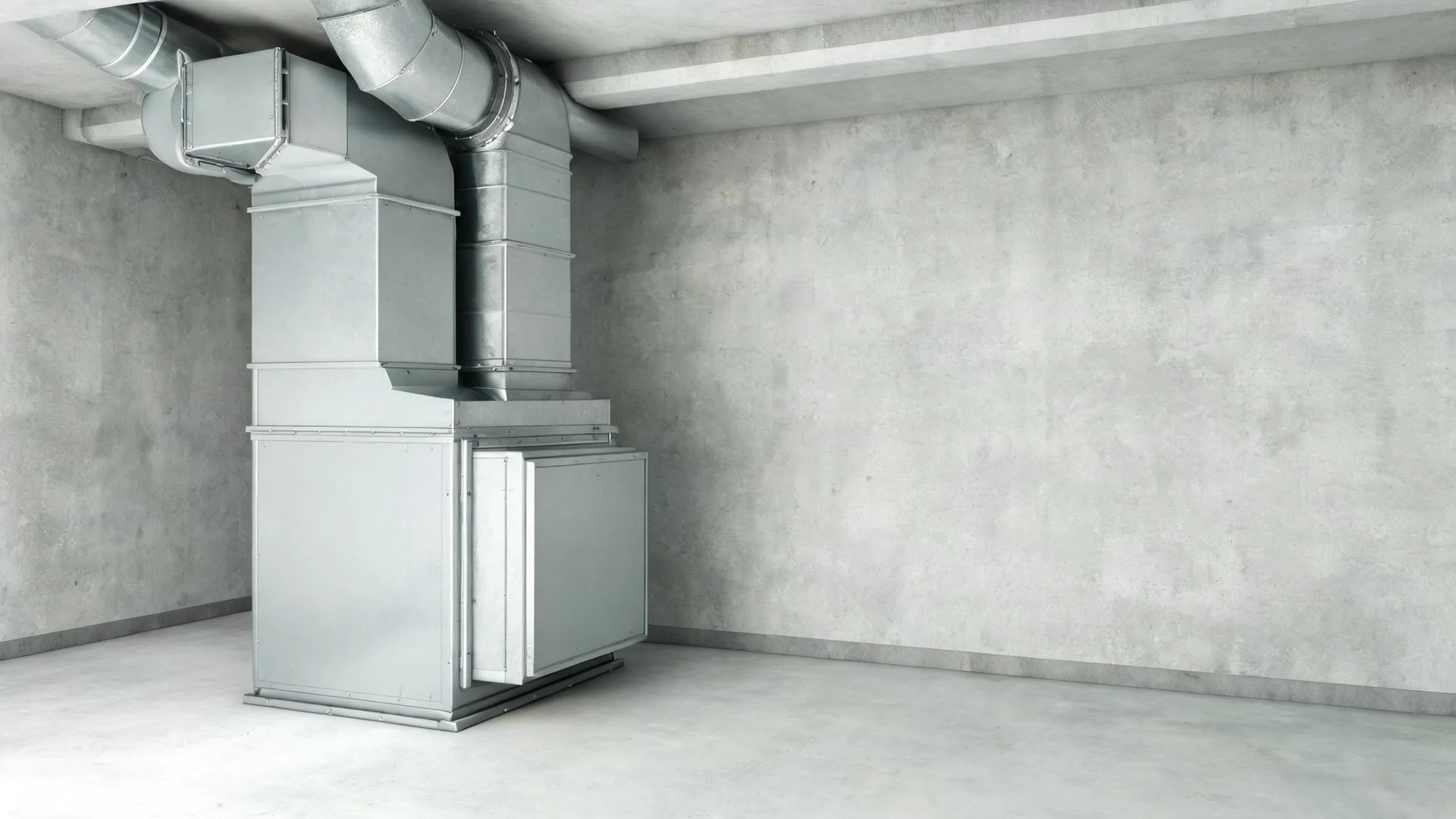
A quick visit usually means someone checks the refrigerant pressure, glances at the filter, and calls it done. A thorough one means the condenser coils get cleaned, not just looked at, since dirt on those coils makes the whole system work harder to dump heat outside. The tech should pull the capacitor and check it under load, not just eyeball it, because a weak capacitor often shows no symptoms until the compressor fails to start on a hot day. The condensate drain line ought to get flushed too, since algae and sludge build up slowly and the first sign of a clog is usually water damage, not a warning light. Ask whether they checked the contactor for pitting and tightened the electrical connections, because loose connections generate heat and that heat degrades wiring over time. If the whole visit takes less time than it takes to explain what was done, something on that list probably got skipped.
68°F
the average summer afternoon it cools against
3 hail events
in ten years, and hail bends the fins on outdoor coils
72 wind events
in ten years, and wind drives debris into outdoor units
A dirty filter chokes airflow across the indoor coil until it can freeze solid.
Check the filter every month and the ice never gets the chance to form.
Clear Creek County doesn't ask more of an AC than one yearly check can handle
150 severe weather events from 2015 to 202413% of homes statewide lost power a day or more in 202472 damaging wind events from 2015 to 2024
Clear Creek County doesn't ask more of an AC than one yearly check can handleHalf the homes here were built in 1976 or earlier, half later. One check a year covers either.
An AC that barely runs still has moving parts that age. The compressor starts and stops, the fan motor spins, the capacitor holds a charge, whether the unit ran all afternoon or barely came on. In most places those parts wear from use. Here, with summer highs averaging 68°F, the bigger risk is a system that sits idle more than it runs. Idle parts seize up or weaken just as surely as worked ones do. That is a different kind of wear, but it still needs a yearly check to catch it, because nothing about a system sitting quiet tells you a capacitor is going weak or a fan bearing has started to wear.
Between visits, the filter is the one thing worth your attention. A dirty filter starves airflow across the indoor coil, and a starved coil can ice over even when the system is barely running. Look at it, hold it up to a light, and swap it when you can't see through it. Keep anything growing or stacked away from the outdoor unit too. Mulch, leaves and overgrown branches block airflow through the condenser coil the same way a dirty filter blocks airflow inside. If you hear a new rattle, see ice on the copper line, or notice the unit cycling on and off faster than it used to, that's not something to wait out until the next scheduled visit. Everything else, the refrigerant charge, the capacitor, the electrical connections, needs a gauge or a meter to check properly. That part stays with the tech.
What's inside the condenser fan motor
The fan motor bearings wear from the inside out. A tech can spot play in the shaft or catch a bearing starting to go before it seizes. A seized fan motor means the compressor keeps running with no way to dump heat, and the compressor fails right along with it.
Why the refrigerant charge needs a gauge
A system can look fine and still be running low on refrigerant. Weaker cooling and longer run times show up slowly, and get blamed on the weather instead. A gauge set tells the tech the actual pressure against what that unit is supposed to run at, which is the only way to catch a slow leak before the compressor takes the hit.
A system can run fine for a while after something starts to slip, which is what makes the yearly check worth keeping even when nothing seems wrong. A refrigerant level a little low, a capacitor a little weak, a coil a little dirty. None of that causes a breakdown right away. It shows up first as the unit running longer than it used to, or cycling more than it should, and most people don't notice that kind of slow change until the system won't start at all. Between visits, watch for warm air from the vents when it should be cold, ice on the copper line, a smell when the unit kicks on, or a new sound that wasn't there before. Any of those means something has already gone wrong and the check shouldn't wait for the next scheduled visit. Short of that, the yearly visit is what catches the parts that fail quietly, before they take something bigger down with them.
A proper tune-up starts outside, with the disconnect pulled before anyone touches a wire. The tech checks the refrigerant charge against what the system is rated for, not just whether the air coming off the coil feels cold. Electrical connections get tightened, since a loose one generates heat and that heat breaks down wiring over years, not days. The condensate drain gets checked for flow, not just looked at, because a slow clog gives no warning until water is coming out somewhere it shouldn't. Blower wheel, fan blades, coil fins, all get a look for dirt or damage that cuts airflow. None of this takes long when the system is healthy. It takes longer when something is already starting to slip, and that is exactly the kind of thing a tune-up is for.