A row of illuminated timber-frame and stone houses photographed at dusk, with evergreen trees and a mountain range in the background.

AC Maintenance in Colorado Springs, CO

Tell us about the job

Takes about a minute. No obligation.

Tune-up, service, or cleaningCentral ACEl Paso County, CO
Step 1 of 2

What ZIP code is the job in?

A dirty filter starves the system

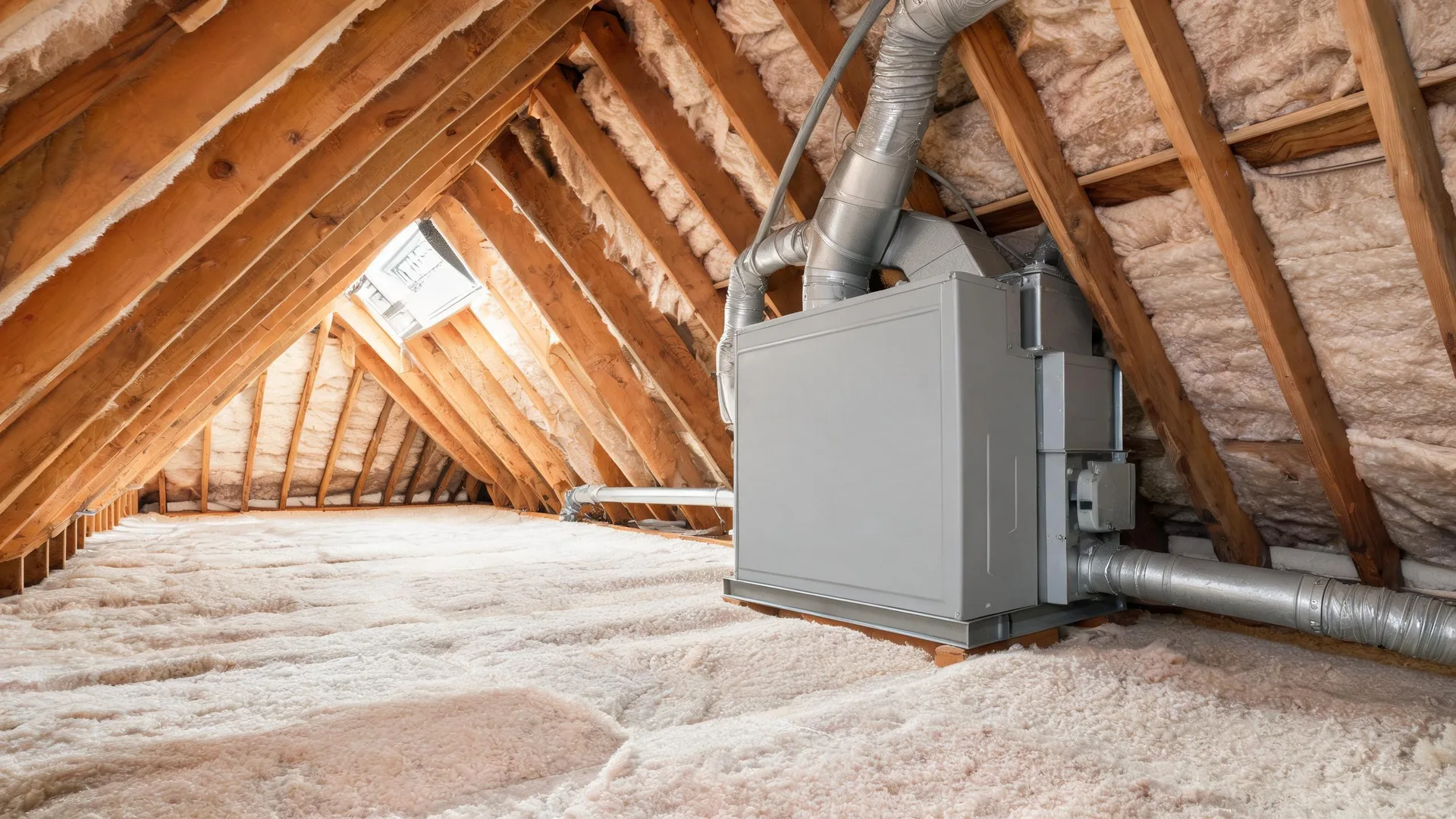
When the filter clogs, the blower has to pull harder to move air across the coil. Airflow drops, the evaporator coil gets too cold, and ice can start forming on the coil itself. Once that happens, the system is cooling less and working harder to do it.


The drain line is the part people forget

The coil pulls moisture out of the air, and that water has to go somewhere. It runs out through a drain line, and that line can clog with algae and sludge over time. When it backs up, water has nowhere to go but into the house, usually near the indoor unit.

2 months
July through August, your air conditioner is on duty
83°F
the average summer afternoon it cools against
717 hail events
in ten years, and hail bends the fins on outdoor coils
324 wind events
in ten years, and wind drives debris into outdoor units
Isometric line illustration of a cutaway house showing an indoor air handler with branching ducts in the attic space, connected by a line set to an outdoor condenser unit beside the building, with simple furniture in two rooms.
Your air conditioner works hardest from July through August.

NOAA nClimDiv, 1991–2020 normals

Cooling in El Paso County runs July through August.

June is when to get the AC checked, before it has to work.

Storms here are frequent. What your AC needs from you isn't.

1277 severe weather events from 2015 to 2024
13% of homes statewide lost power a day or more in 2024
324 damaging wind events from 2015 to 2024

Between visits, the filter is the one thing worth checking yourself. Pull it out, hold it up to the light, and if you can't see through it, swap it. A clean filter keeps the blower from straining and keeps the coil from icing over. Outside, keep the area around the condenser clear. Grass clippings, leaves and dirt packed against the fins block the airflow the unit needs to dump heat. If you run the system and notice the air isn't as cold as it should be, or you hear a new rattle or hum, that's worth a call rather than waiting for the next scheduled visit.

Newer system, same payoff for checking it every year

Half the homes in El Paso County were built in 1989 or later. If yours is one of them, the system still has a lot of working life ahead of it, and a yearly check is what keeps it that way.

Find a contractor
A man in a cap, dark jacket and tan trousers climbs porch steps toward a red door, carrying a worn olive duffel bag, with a potted shrub beside gray clapboard siding.
An outdoor residential air conditioning condenser unit mounted on a concrete pad, surrounded by gravel with a blue sky in the background.

What skipping it does to the system

Skip enough visits and the system does not fail all at once. It loses capacity a little at a time, so slowly nobody notices until it is just the way the system runs. A weak capacitor can leave the compressor struggling to start for months before it finally quits. A slow refrigerant leak means the system runs longer every cycle to make up for it, and the compressor wears faster for the extra hours. Dust packed into the condenser fins makes the whole unit work harder to move the same heat outside. None of this looks like a breakdown while it is happening. It looks like a system that runs more than it used to, right up until the part that was already weak gives out, usually on the day it was working hardest.

A gauge set gets used, not just carried in

Checking refrigerant charge means connecting gauges to the system and reading the pressures against what the system is supposed to run at. A tech who only feels the line or asks if the air feels cold enough is guessing. A thorough visit checks the charge against the actual target numbers for that unit, not a general sense of cold.

The capacitor and contactor get tested, not eyeballed

A capacitor can look fine and still be weak, which is why a thorough tune-up tests it with a meter against its rated value instead of just checking that it's not bulging. The same goes for the contactor, the switch that feeds power to the compressor. Pitted contacts can still close the circuit for now, right up until they don't.

Aerial view of a residential air conditioning condenser unit mounted on a concrete pad next to a house with vinyl siding and a sliding glass door.

Book your AC tune-up in June, before homes here start needing cooling in July.

  1. Jan
  2. Feb
  3. Mar
  4. Apr
  5. May
  6. Jun
  7. Jul
  8. Aug
  9. Sep
  10. Oct
  11. Nov
  12. Dec

A tune-up checks the refrigerant charge, cleans the coils, tests the capacitor and tightens the electrical connections.

A tune-up also means pulling the blower access panel and looking at the fan wheel itself, not just the filter in front of it. Dust builds up on the blades over time and that buildup throws the wheel off balance the same way mud on a tire does. A tech checks the blower motor's amp draw against what the motor is rated for, since a motor pulling too many amps is working harder than it should and running hotter because of it. Outside, the condenser fan motor and its blades get the same look, since a wobbling fan blade means a bent blade or a motor bearing on its way out. The refrigerant lines get checked for rubbed spots or loose insulation too, since a line rubbing against the cabinet or a wall will wear through eventually. None of this takes long to check. It takes long to ignore.