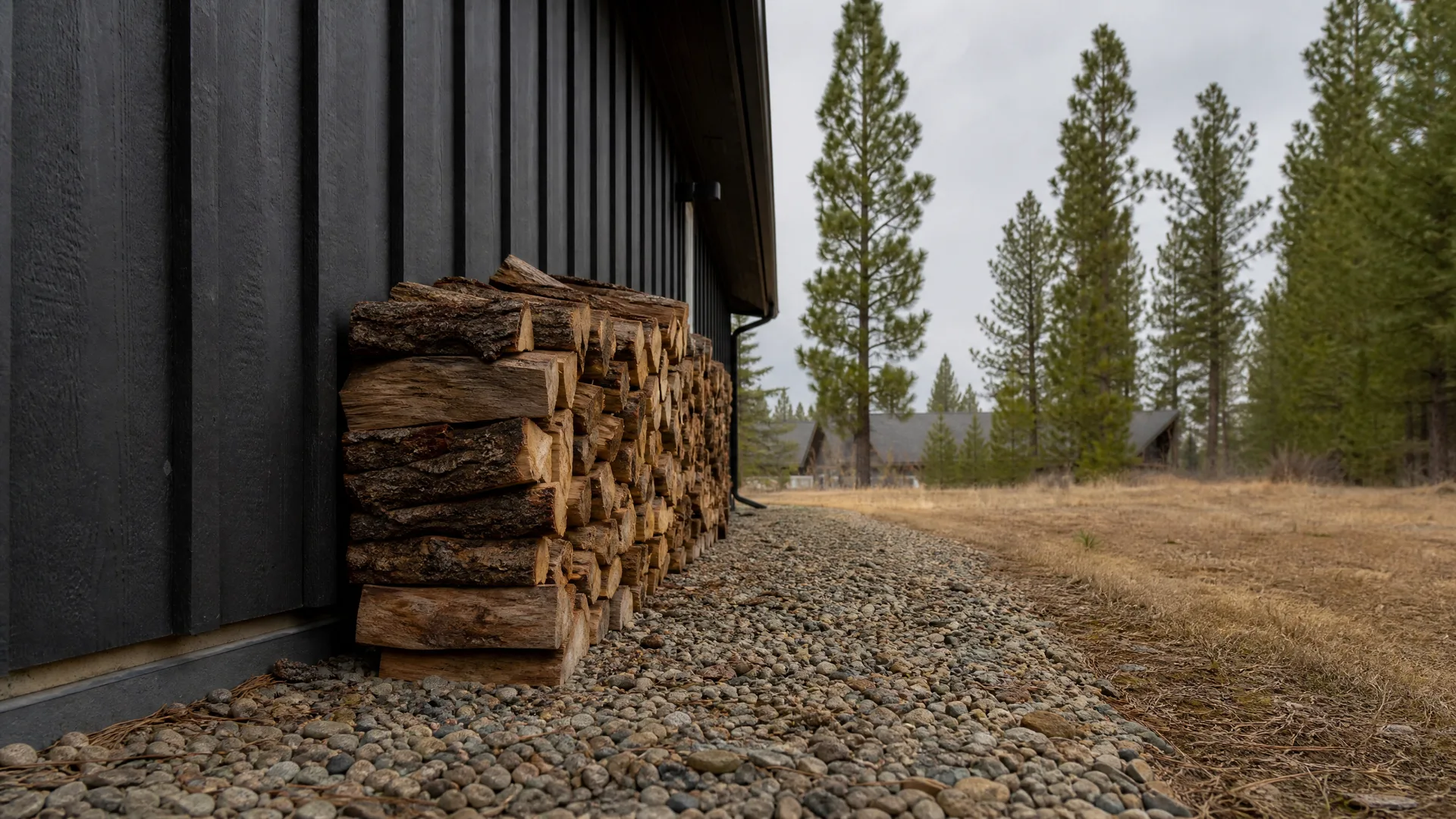






Firewood stacked against the dark vertical wood siding of a building, with a gravel border strip, dry grass, and pine trees under an overcast sky.

AC Maintenance in Delta, CO

Tell us about the job

Takes about a minute. No obligation.

Tune-up, service, or cleaningCentral ACDelta County, CO
Step 1 of 2

What ZIP code is the job in?

Cooling here only runs two months, July and August. There's no slow ramp-up where the system eases into the work. It sits idle all spring, then runs every day once July hits. June is the month to get it checked, before that jump. A tech can test the charge, check the capacitor, and clear the condenser coil while the unit is still off, instead of after it's already working to keep the house cool.

2 months
July through August, your air conditioner is on duty
82°F
the average summer afternoon it cools against
42 wind events
in ten years, and wind drives debris into outdoor units
Isometric cutaway illustration of a single-story house showing interior rooms, ductwork and an air handler in the attic space, and an outdoor condenser unit connected by lines at the exterior wall.
Your air conditioner works hardest from July through August.

NOAA nClimDiv, 1991–2020 normals

The filter only protects airflow, not the refrigerant side of the system.

A clogged filter still starves the coil, and a starved coil can ice over and send water past the drain.

One check a year covers it

Half the homes here were built by 1979
Cooling runs July through August
Summer afternoons average 82°F
Weather here is no reason to skip a yearDelta County saw 234 severe weather events between 2015 and 2024. None of that changes what the AC needs checked once a year.

Watch the vents first. If the air coming out doesn't feel much cooler than the room, the charge is probably low or the coil is dirty, and either one makes the system run longer than it should. Listen when it kicks on. A hum before the compressor starts, a rattle from the outdoor unit, or clicking that repeats are all worth a look before they turn into a no-start. Check how long it runs. A system that used to cycle off and now seems to run constantly is losing ground against the heat, and that's wear on the compressor, not just a comfort issue. Water pooling near the indoor unit means the condensate line is clogged or the pan has rusted through. None of these mean the system is done. They mean it's telling you something, and a tech can usually fix the cause in less time than it takes to explain it.

Book it before the season

It starts running hard in the first month of the season here. Book the check the month before.

Find a contractor
An outdoor air conditioning condenser unit mounted on a concrete pad beside a house, with electrical conduit running to a wall-mounted disconnect box.

What the check sees that you don't

A tune-up gets inside the places a homeowner never looks. The refrigerant charge is checked with gauges, not by feel, because a system can be low and still blow cold air for a while before it falls off. The capacitor gets tested under load, not just eyeballed, since a weak one can still start the compressor on a good day and fail on a hot one. The coil gets checked on both sides, not just where it's visible, because dirt builds up between the fins where airflow is already weakest. Electrical connections get checked for looseness and corrosion before they get hot enough to burn. None of that shows up from the thermostat.

Gauges on the lines, not a glance at the unit

A thorough check connects gauges to the system and reads the refrigerant charge against what the manufacturer specifies. A quick one pops the panel, looks for anything obviously wrong, and moves on. Low charge doesn't always show itself right away, so a visual pass can miss it.

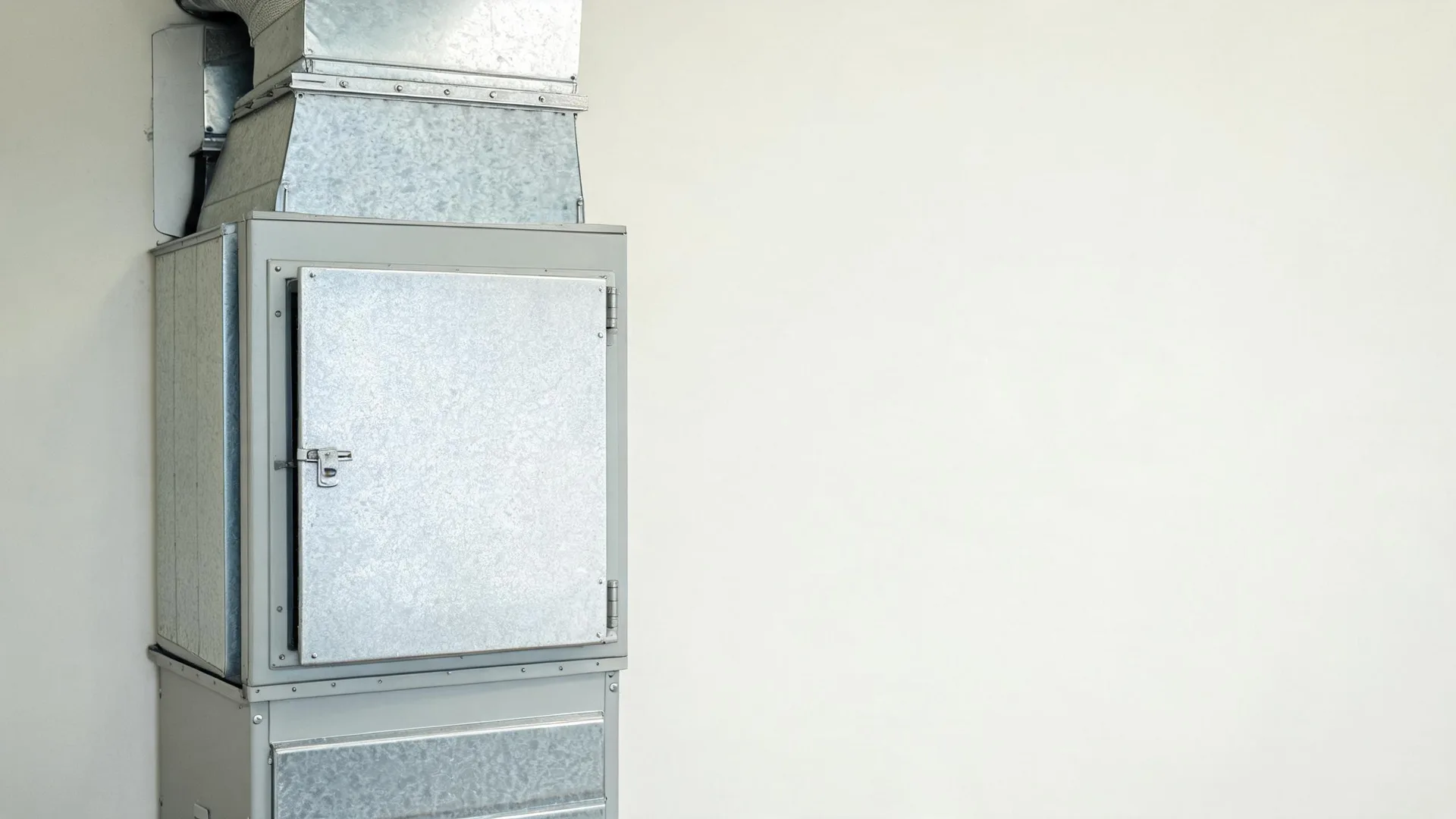
What a short visit leaves behind

Skip the gauges and the load test on the capacitor, and the system can still run fine the day it's checked. The weak part fails later, on a hot afternoon, with no warning beyond what the fuller check would have caught.

Aerial view of a gray central air conditioning condenser unit on a concrete pad next to a house with vinyl siding.

Book your AC tune-up in June, before homes here start needing cooling in July.

  1. Jan
  2. Feb
  3. Mar
  4. Apr
  5. May
  6. Jun
  7. Jul
  8. Aug
  9. Sep
  10. Oct
  11. Nov
  12. Dec

A tune-up checks the refrigerant charge, cleans the coils, tests the capacitor and tightens the electrical connections.

A proper tune-up starts outside at the condenser. The tech pulls the top or side panel and washes the coil fins from the inside out, so the dirt that built up between passes comes out instead of packing in deeper. The fan blade gets checked for wobble, and the motor bearings get checked for play, since a motor that's starting to go will usually show it there before it seizes. Inside, the evaporator coil and the drain line get checked together, because a coil that's icing up will overflow the pan once it thaws. The blower wheel gets a look too. A wheel caked with dust moves less air even at full speed, and the rest of the system has to work against that every time it runs.