Why your AC won't turn on in Colorado

RepairCentral ACColorado
Step 1 of 2

What ZIP code is the job in?

Why won't my AC turn on in Colorado?

It's hot outside and you go to the thermostat expecting cool air, but nothing happens. No hum, no click, no air moving. In Colorado's dry summer heat, a day or two of this is enough to make the house uncomfortable fast, and you want to know whether this is something simple or a sign the system needs a real repair.

Most likely a tripped breaker, a dead thermostat battery, or a failed capacitor

Check the breaker panel first. Air conditioners draw hard on startup, especially on the hottest days, and that's when a weak breaker trips. If the breaker is fine, look at the thermostat. A dead battery or a thermostat that lost its schedule will show a blank or frozen screen and send no signal to the unit at all. If power is reaching the outdoor unit and the thermostat is calling for cooling but the unit still won't start, the capacitor that gives the compressor and fan motor their initial push may have failed. Colorado summers put real strain on that part during the hottest stretches, since every startup asks more of it. A contractor can test the capacitor and the breaker in a single visit and tell you which one failed.

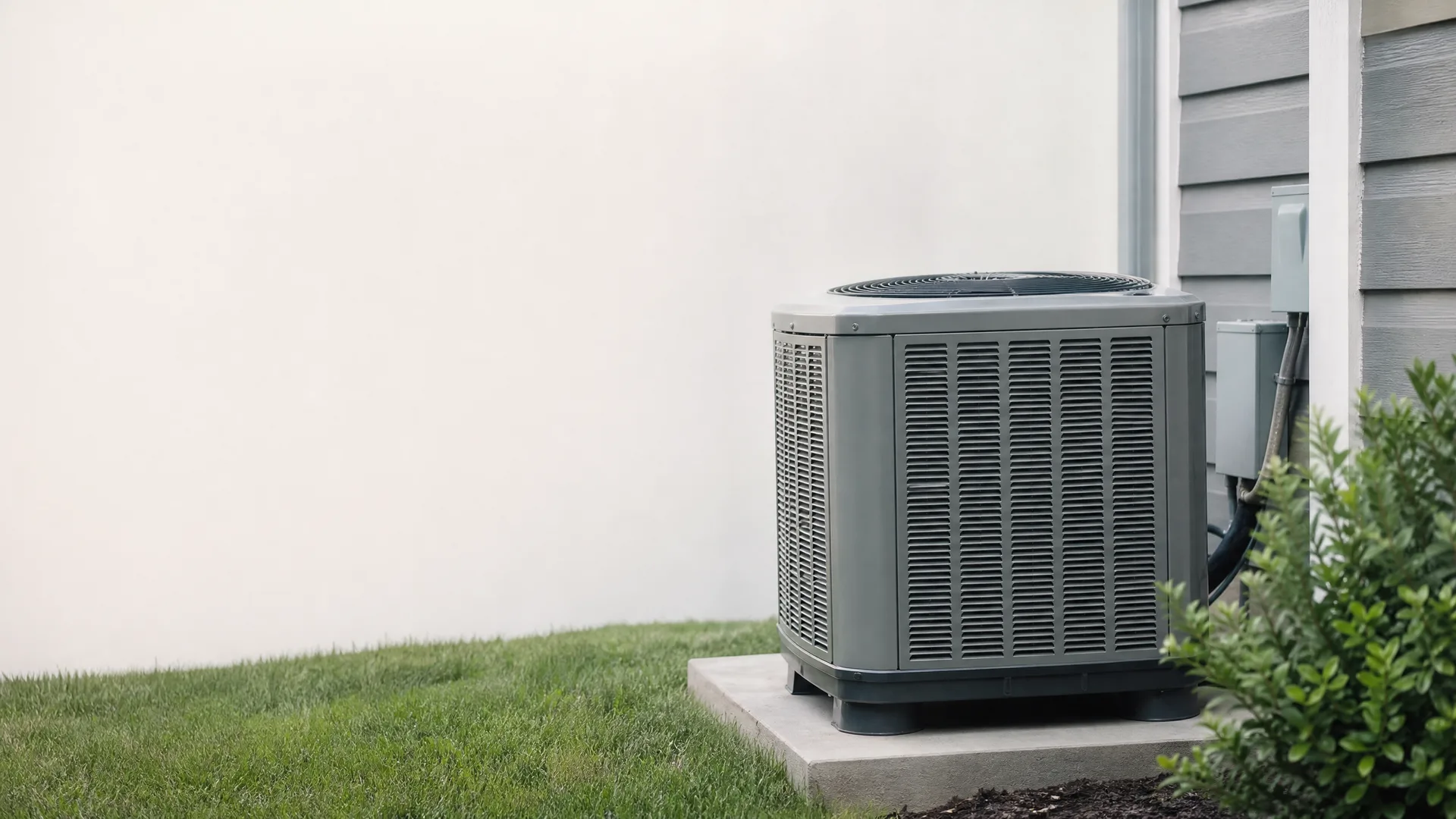
A gray outdoor air conditioner condenser unit on a concrete pad beside a house with horizontal vinyl siding, surrounded by mulch, flowering shrubs, and lawn.

Running the way it should

A unit like this cycles on, runs steady, and keeps the coil fins clear so air moves through them. Grass and mulch nearby are fine as long as nothing is pressed against the cage. Clean fins and open airflow are what let it start without a fight.

A weathered outdoor air conditioning condenser unit on a concrete pad beside a house with light horizontal siding, an electrical disconnect box and conduit on the wall, and mulched soil on either side.

Caked in dirt and grime

When the fins are packed with dirt and debris like this, the unit has to work harder to move air across the coil, and that strain can be enough to keep it from starting at all. The conduit and disconnect box are worth a look too if nothing is reaching the unit.

Call for Help or Check It Yourself

Call a contractor

  • A licensed technician can check the capacitor, contactor, and low-voltage wiring in one visit and tell you which one failed.
  • Colorado's dry heat is hard on outdoor capacitors, and a tech who works on these units every summer knows that's often the first thing to test.
  • You get matched with one local contractor, not a handful of companies calling you back at once.
  • A proper diagnosis means the part that actually failed gets replaced, not just the one that seemed likely.
  • If the problem is a tripped breaker or blown fuse that keeps tripping again, a technician can find out why instead of just resetting it.

Wait it out

  • If the breaker tripped once and holds after resetting, the unit may run fine until something else causes it to trip again.
  • A dead thermostat battery is a five-minute fix you can rule out yourself before assuming the unit itself failed.
  • Waiting through a hot stretch in Colorado with no AC can mean several uncomfortable days before the problem gets looked at.
  • Some failures, like a failing capacitor, get worse under continued strain and can take the compressor down with them.
  • Without a tech checking the electrical side, you won't know if the outdoor unit is drawing power at all.
A gray outdoor air conditioner condenser unit on a concrete pad beside a house corner with lap siding and a stucco wall, surrounded by mown green grass.

What the capacitor does

The capacitor gives the compressor and fan motor the jolt they need to start, then keeps them running steady. Colorado's dry heat and the wide swing between hot afternoons and cool nights put extra strain on it over a summer. When it weakens, the unit may hum for a second and go quiet, or not respond at all when the thermostat calls for cooling. It's one of the most common reasons an AC won't start, and it's a quick thing for a technician to test with a meter.

An outdoor air conditioning condenser unit on a concrete pad beside a house with light stucco and lap siding, with mown grass to the left and a green shrub to the right.

Why the contactor matters

The contactor is the switch that sends power from the thermostat signal to the outdoor unit. Dust and moisture can pit the contacts over time, and once they're worn enough, the switch stops closing the circuit even though everything else is fine. Outdoor units here sit exposed to blowing dust through a dry Colorado summer, which is one of the things that wears contacts down faster. A stuck or worn contactor looks the same from inside the house as a dead system, nothing turns on, but a technician can usually spot it by sight.


Power costs 15.69 cents per kilowatt-hour statewide

At 15.69 cents per kilowatt-hour, a stuck AC costs you nothing while it sits dark, but once a tech gets it running again, every degree of cooling draws on that rate. A unit that cycles properly, rather than straining to start, is the one that keeps your summer bill in line.

EIA-861 2025 statewide residential average

A middle-aged man with grey hair and a beard, wearing a grey knit sweater, sits on a light sofa in a sunlit living room with a houseplant, wooden cabinet and framed landscape picture behind him.
A man with greying hair and a beard in an olive sweater sits on a sofa in a living room, looking to his left, with an armchair, round side table and large glass doors onto trees behind him.
A gray-haired bearded man in a dark blue shirt over a white t-shirt sits on a leather sofa in a living room with built-in shelves, a floor lamp, an armchair and large windows, looking off to the side.
A man with gray-brown hair and stubble in a dark sweater sits on a light-colored sofa in a living room, looking off to the side, with a houseplant, framed picture, shelving and a sunlit window behind him.

Stop chasing an air conditioner pro

The pro who reaches out is licensed in Colorado.

It costs nothing to send, and you don't have to hire anyone.

What happens if it waits

A dead AC in July doesn't stay a small problem. Colorado's dry heat climbs fast once the sun is up, and a house that can't cool down holds that heat into the evening. If anyone in the house is older, very young, or has breathing trouble, a few days without cooling matters more than the thermostat number suggests. The parts likely at fault, a capacitor or contactor, don't fix themselves by waiting, and a compressor that keeps trying to start against a bad capacitor can burn out. What's a same-day repair now can turn into a compressor replacement later, and that's a different job entirely.

Why get it looked at properly

You could guess at the problem yourself, but the capacitor, contactor, and wiring all sit close together behind a cover you shouldn't open with the power on. A licensed technician tests each one in turn and knows which failures show up most in Colorado summers, so the visit finds the actual cause instead of swapping parts to see what works. That matters more than speed. A repair done right the first time means the unit starts reliably through the rest of the summer, instead of failing again on the next hot afternoon when you're not home to notice.

A woman with shoulder-length graying hair, wearing a light knit cardigan over a striped shirt, sits in an upholstered armchair and looks off to the side, with a bookshelf and houseplant behind her.
A woman and a child wrapped together in a thick knitted beige blanket on a sofa, both with eyes closed, beside a lit table lamp in a dim room.
A gray outdoor air conditioner condenser unit on a concrete pad beside a house with horizontal lap siding, with a wall-mounted disconnect box and conduit to its right and shrubs to the left.

Starting up fine

A unit like this kicks on the moment the thermostat calls, the fan spins up, and the coil stays clear behind the guard. The conduit and disconnect box nearby are just part of how it's wired in. Nothing about the setup is holding it back from running when it should.

An outdoor air conditioning condenser unit on a concrete pad beside a house with horizontal lap siding, with a conduit and electrical disconnect box on the wall at right.

Won't start at all

This one sits quiet even with the thermostat set low. Dirt built up on the coil guard like this makes the unit work harder every time it does run, and that strain adds up over a Colorado summer. Age and grime together are often what pushes a weak part past the point where it can still start.

A dead AC usually comes down to the capacitor, the contactor, or the low-voltage wiring between the thermostat and the unit. None of those are something to guess at from the breaker box. A licensed technician who works on these units every Colorado summer has seen which part gives out first in this kind of heat, and can test the right one instead of replacing parts that were fine to begin with. Once you send the request, you're matched with one local contractor, not a handful of companies competing for the job, so you're not fielding calls all afternoon trying to sort out who to let in your house. You'll know who's coming and why they're the one to call. The heat isn't going to let up on its own, but finding someone qualified to fix this is no longer something you have to figure out alone.

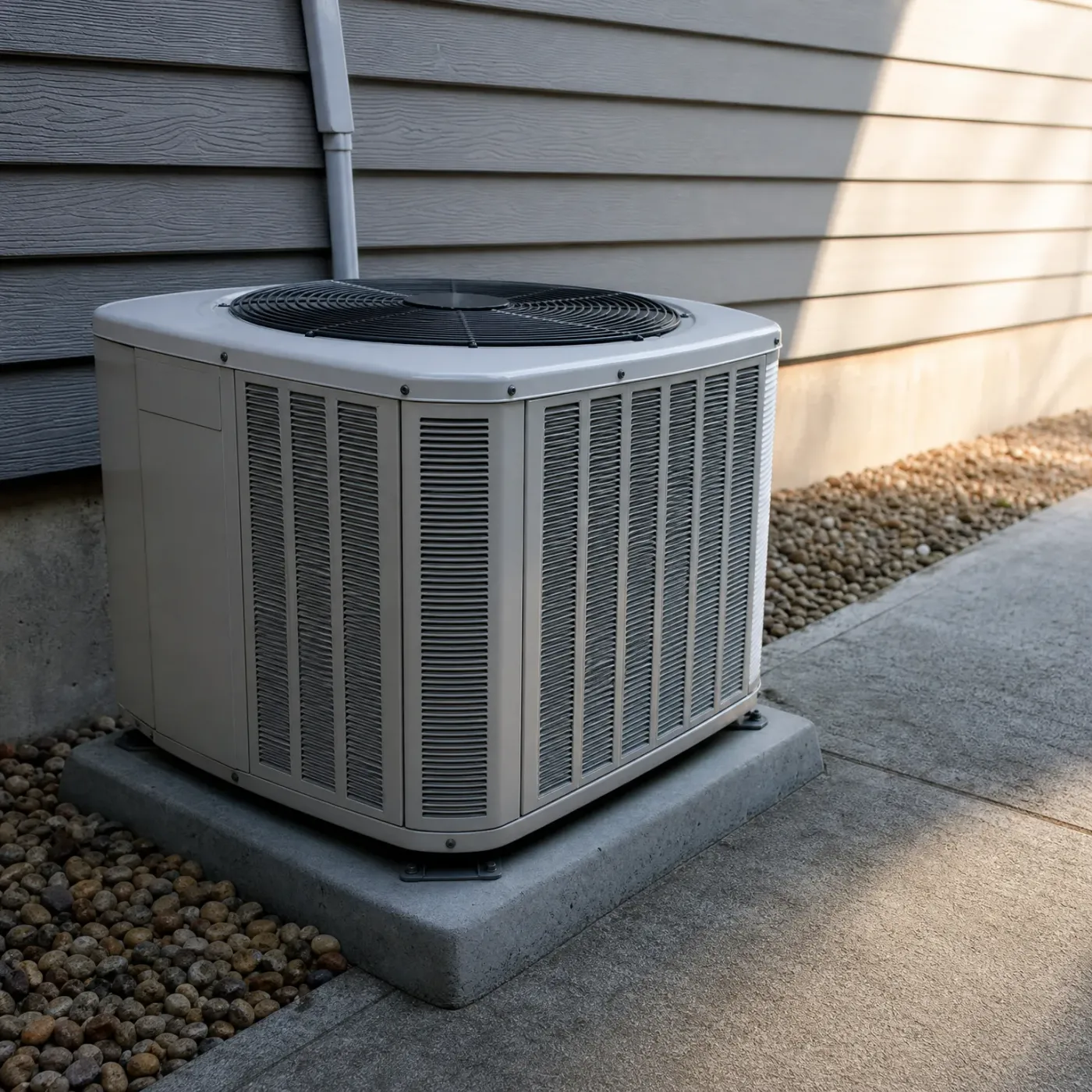
A beige outdoor air conditioner condenser unit with a top fan grille sits on a concrete pad beside a house with horizontal lap siding, bordered by gravel and a concrete walkway.

Hand off the air conditioner problem

Send it today

Only one pro gets your request, so you hear from one company.

No charge to send it. You decide if you hire them.