What to check before calling for AC repair in Colorado
Tell a local repair pro what your air conditioner is doing.
Your air conditioner picks the hottest day to quit. In Colorado, that's not rare. Dry heat strains a system differently than humid heat does, and when something finally gives, you want to know what you're dealing with before anyone shows up at your door.
A few things are worth a look first. Check the thermostat is set to cool and the batteries aren't dead. Check the breaker hasn't tripped. Check the filter, since a filter packed with dust chokes airflow and can shut a system down on its own. Look at the outdoor unit too. If it's caked in cottonwood seed or yard debris, that alone can stop it from shedding heat the way it needs to.
None of this tells you for certain what's wrong. It tells you whether the problem is something simple or something that needs a trained eye. A capacitor, a low charge, a failed contactor, a frozen coil: these aren't things you fix from a checklist, and guessing at them can turn a small repair into a bigger one.
What you don't have to do is spend your afternoon calling around, explaining your system to strangers, and hoping one of them knows your equipment. Once you send your information through, that search is no longer on you. A contractor who works on systems like yours in your part of Colorado gets your details and reaches out directly.
You'll still want to know your system, its age, its brand, what it was doing before it stopped, because that's what lets a contractor show up ready instead of guessing alongside you. But finding that contractor doesn't have to be the hard part of your day. That part is handled the moment you ask.
Before you call anyone, check a few things yourself. Go to the thermostat first. Make sure it's set to cool and set below room temperature, and check the batteries if it's not a hardwired model. Next, go to your breaker panel and look for a tripped breaker, AC units draw hard on startup and a breaker that trips once can usually be reset. Then go outside to the condenser, the box sitting on a pad by your house, and look at it. If the fan isn't spinning but you hear a hum, that's different from the whole unit being silent. If ice has formed on the refrigerant lines even though it's dry outside, turn the system off and let it thaw before doing anything else. Check your air filter too, a filter clogged with dust restricts airflow enough to shut a system down on its own. If you've checked these and the system still won't run, or runs but doesn't cool, that's when a contractor needs to look at what's inside the unit itself.
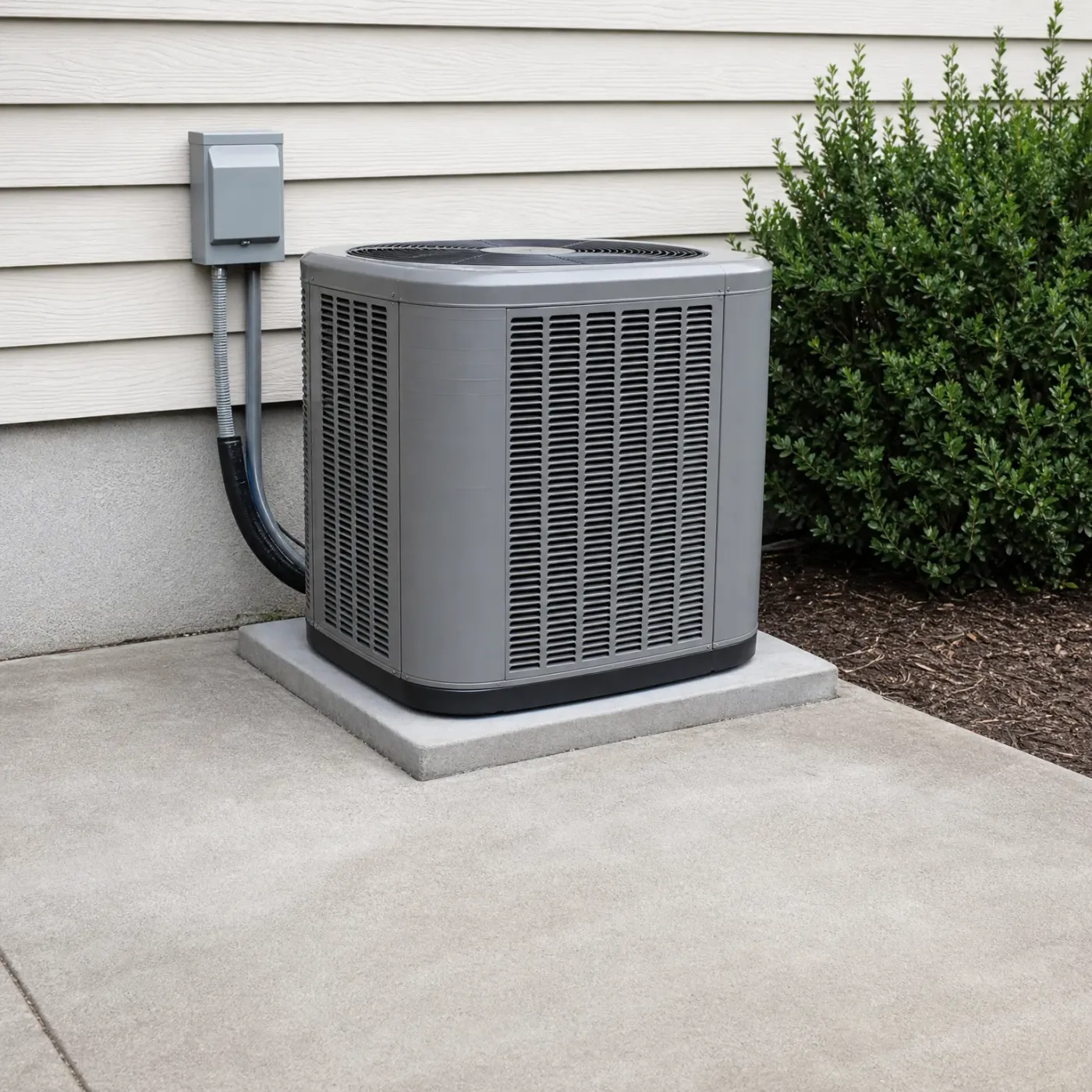
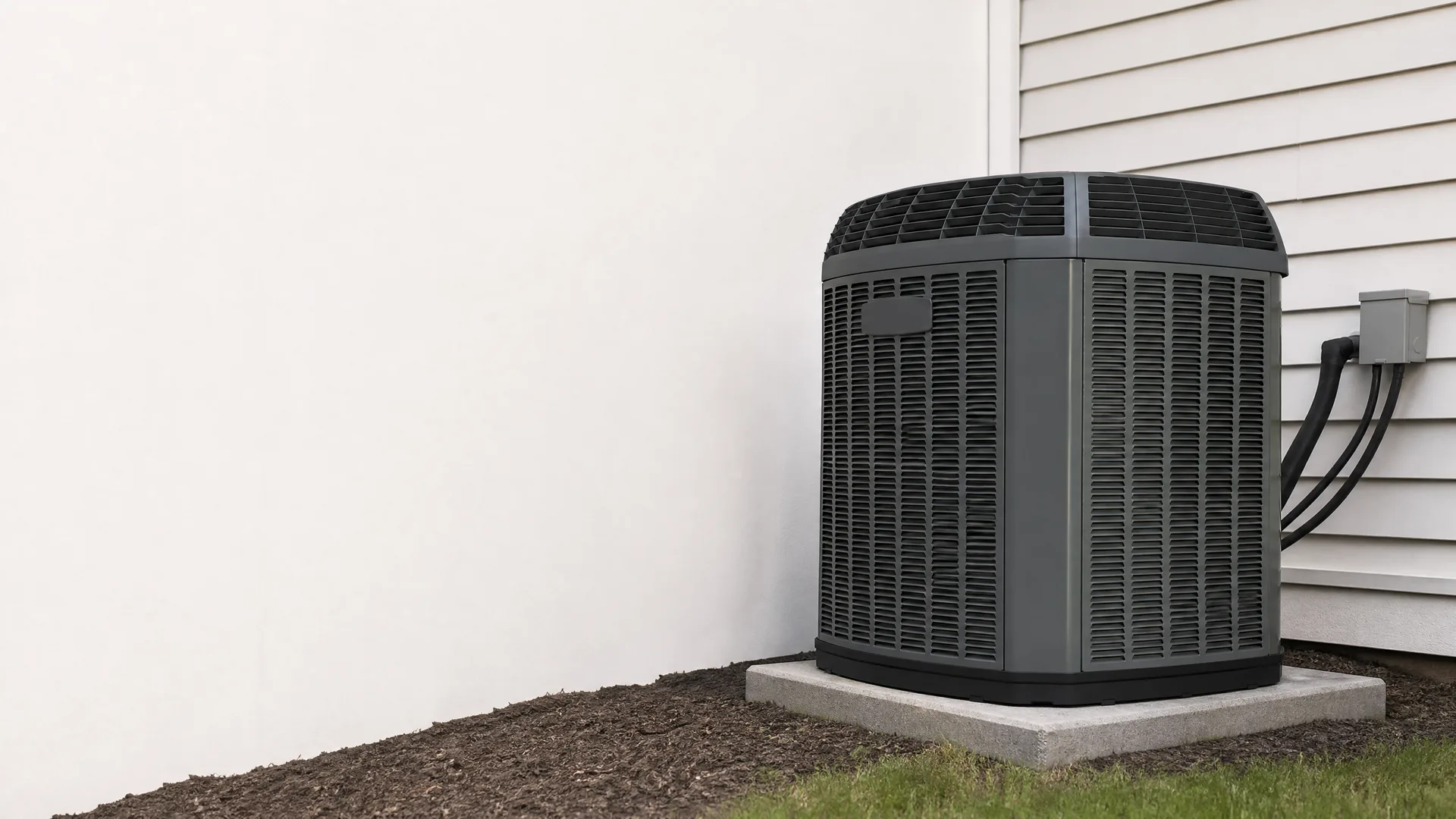
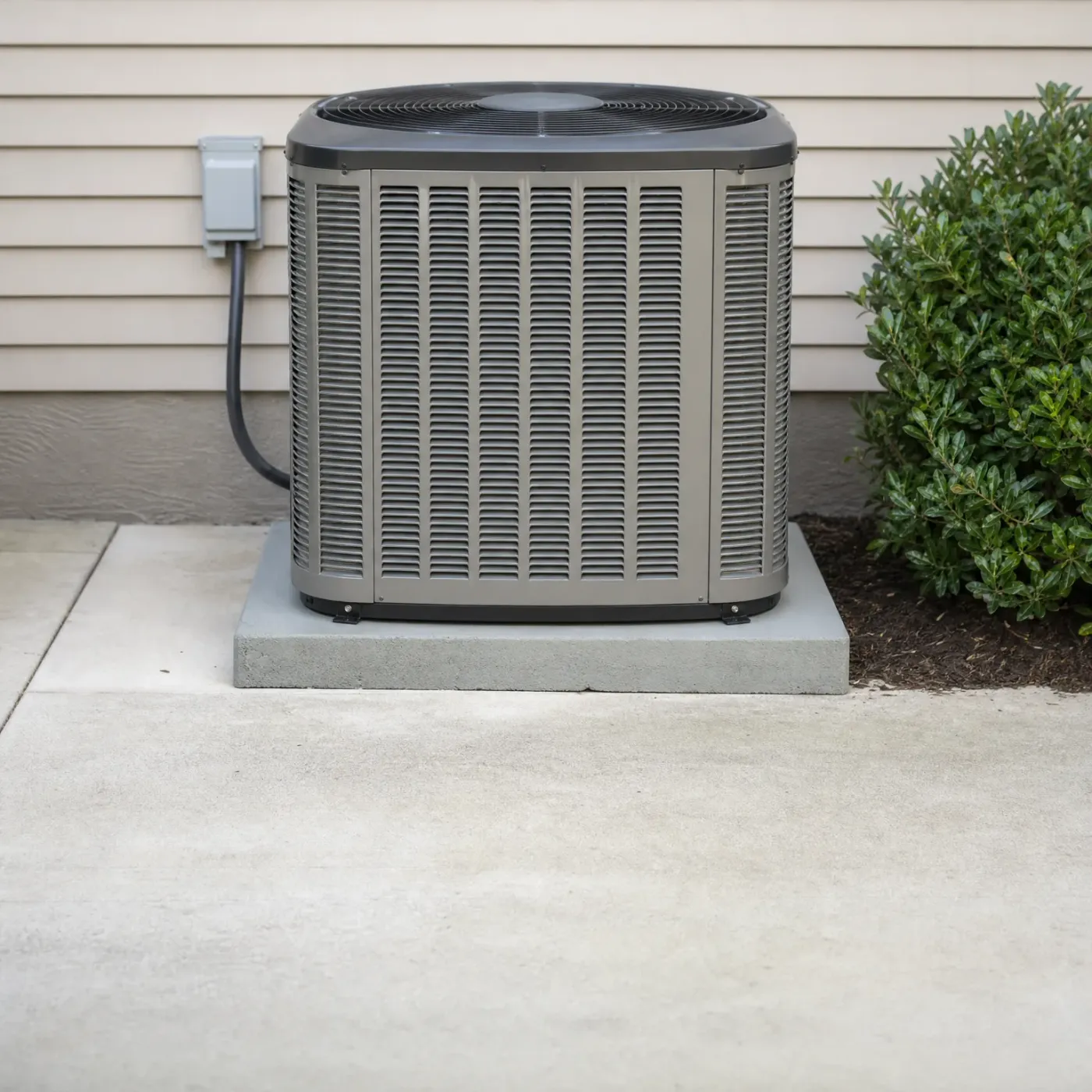
A clean condenser like this moves heat out the way it's supposed to, pulling air through the coil fins without a fight.
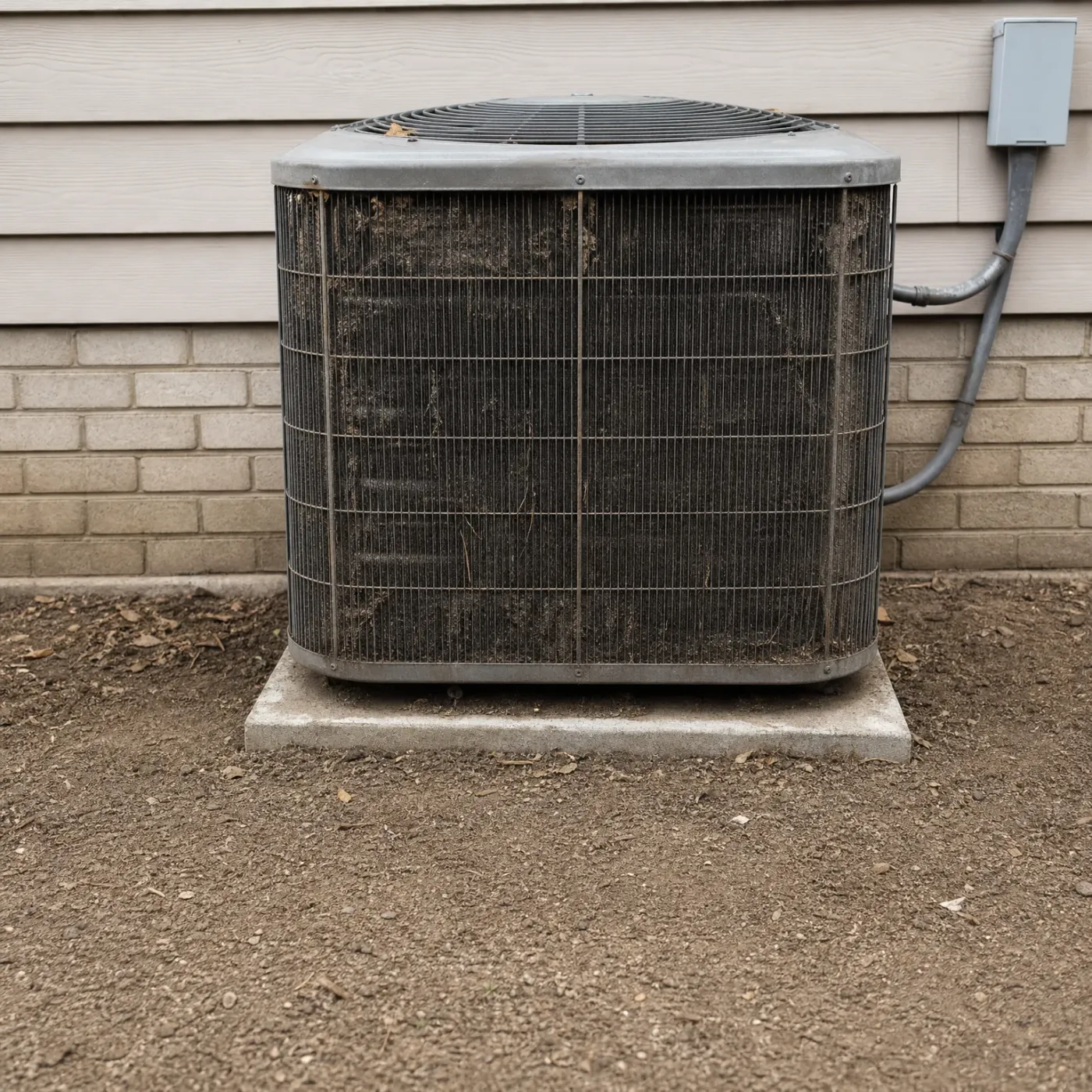
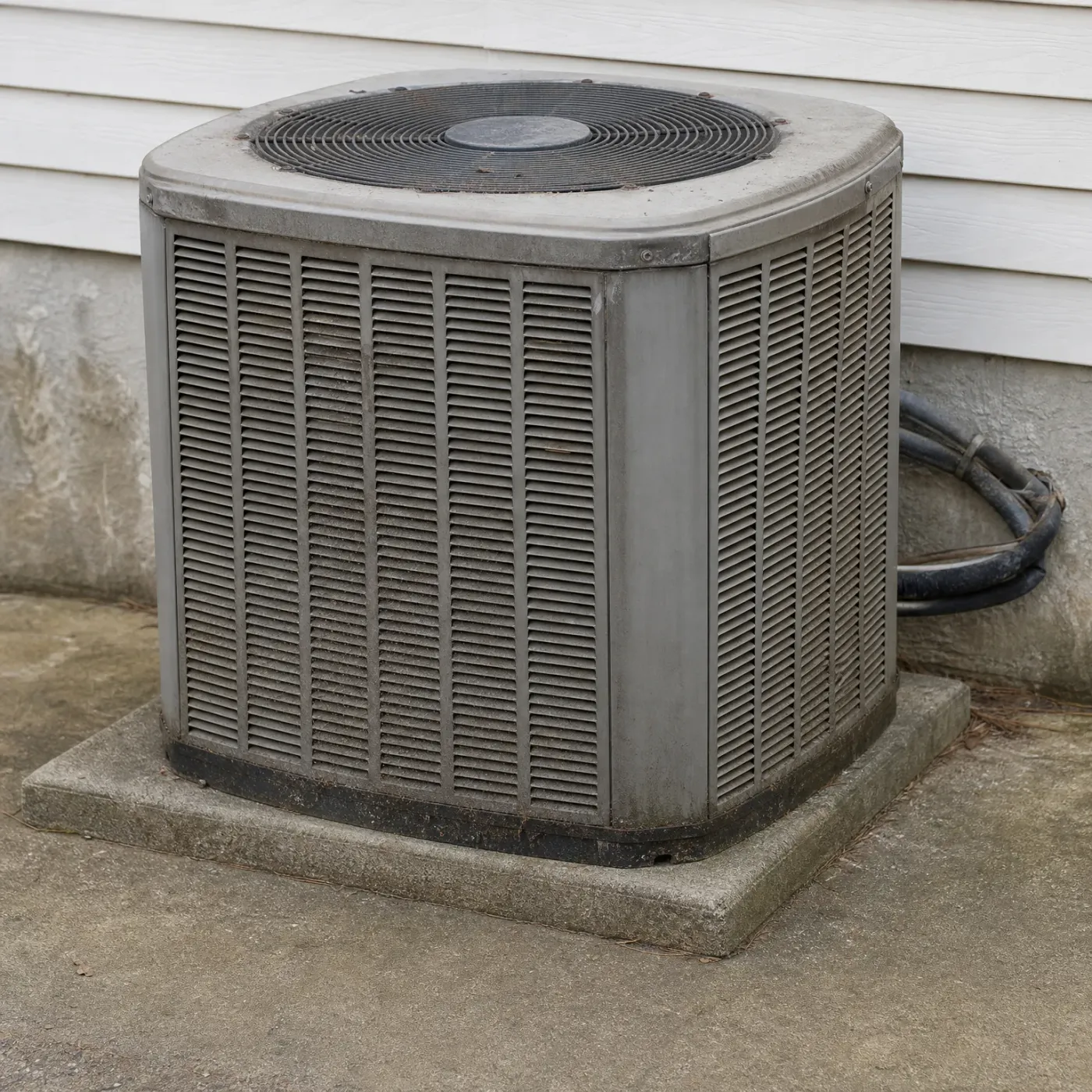
A coil packed with dirt and grime like this can't shed heat well, so the system runs longer and still falls short on a hot day.
Your air conditioner is two machines working as one. The compressor sits outside and does the heavy work, compressing refrigerant and sending it through the coil inside your air handler. Everything between them has to stay sealed and full of refrigerant, so if a tech tells you the charge is low, that's not something that happens with age or use. Refrigerant doesn't get used up. It's leaking somewhere, and finding that leak matters more than just topping it off again. A lot of what goes wrong starts smaller than that, though. A dirty filter cuts off airflow across the evaporator coil, and in Colorado's dry heat that coil can freeze solid even on a ninety-degree afternoon, which then shows up as warm air at the vents and gets blamed on the wrong thing. Outside, the condenser needs open air around it to dump the heat it just pulled out of your house. Weeds, a fence, patio furniture too close, any of it makes the unit work harder for less. If yours is cycling on and off every few minutes, look at the capacitor or the thermostat sensor before you assume the worst.
What's Actually Happening Inside
The compressor outside and the evaporator coil inside the air handler have to work together, so a problem with either one can stop the whole system cold.
Low refrigerant almost never means it burned off, since the system is sealed; it means something is leaking and needs to be found.
A dirty air filter chokes airflow across the evaporator coil, and in dry Colorado heat that coil can ice over even when it's ninety degrees outside.
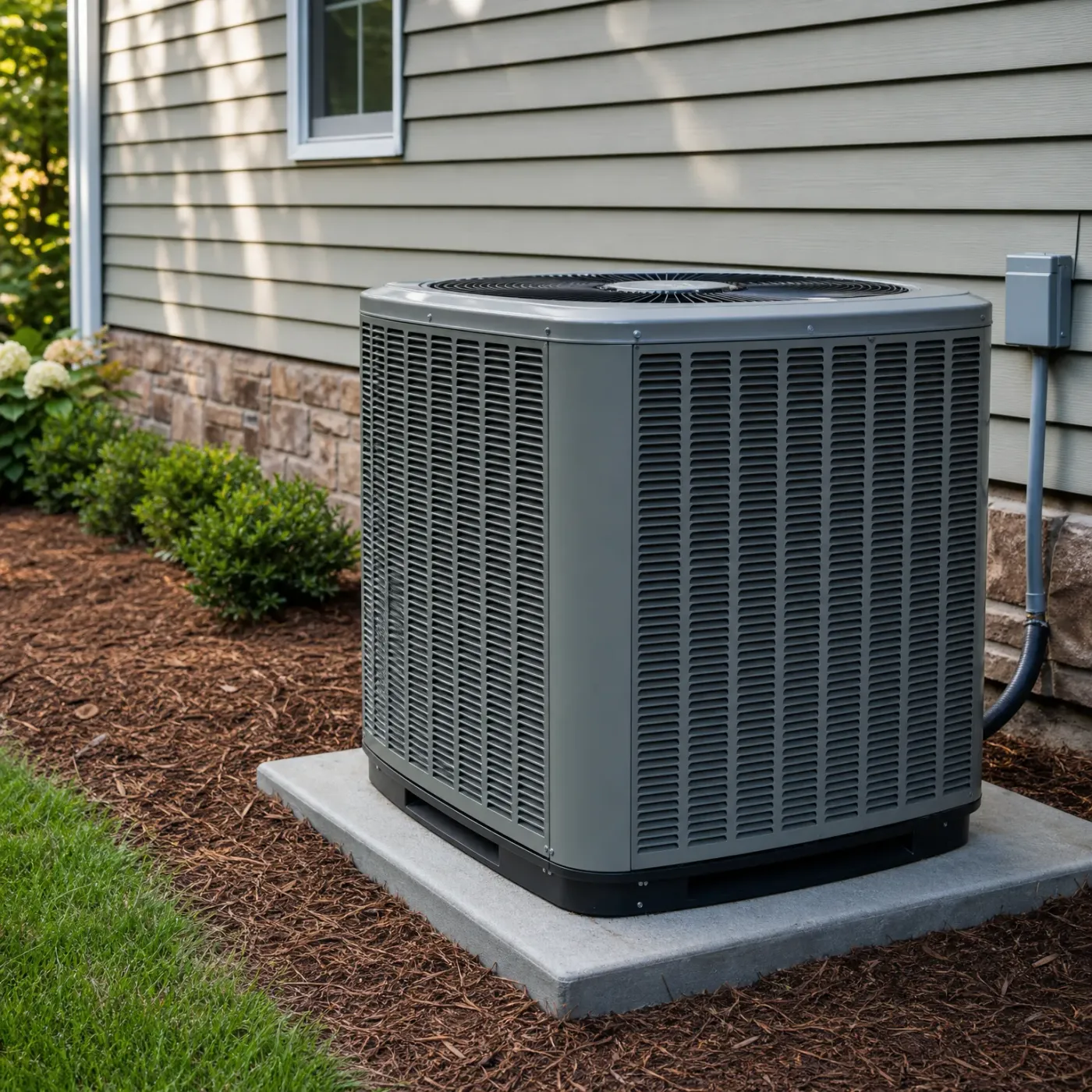
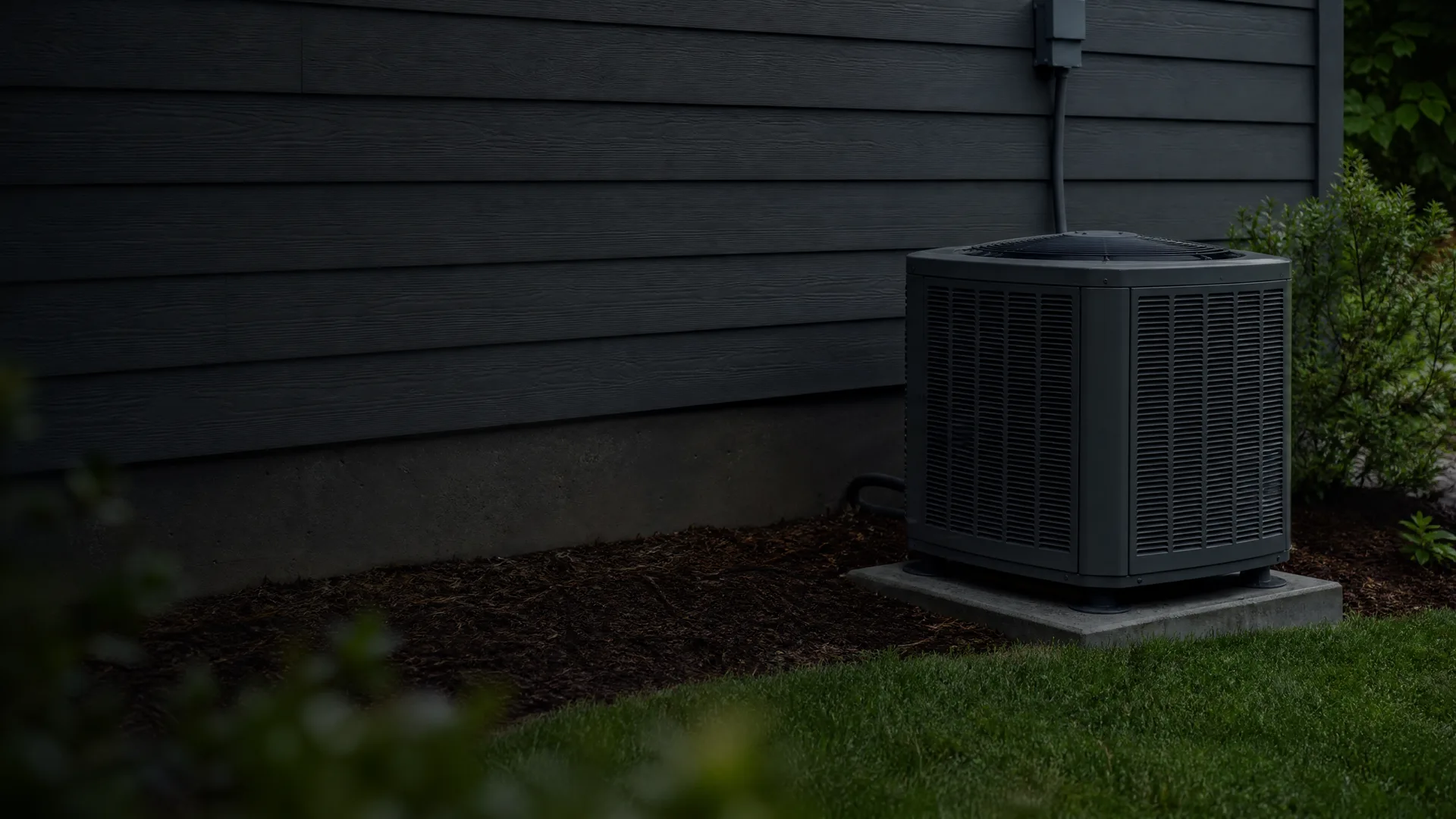
The outdoor unit needs clear space around it, because a condenser crowded by weeds, patio furniture, or a fence can't shed the heat it just pulled from your house.
Warm air blowing from the vents can mean the compressor itself has failed, not just a dirty filter or a tripped breaker.
A system that short cycles, turning on and off every few minutes, is usually fighting a bad capacitor or a thermostat sensor reading the room wrong.
An air conditioner pro near you
Send the request today and stop worrying about who to call.
Say what's going on with your air conditioner, and a pro who works on them reaches out.
Asking costs nothing, and the choice to hire stays yours.
Call Now or Wait and Watch
Call Now
The air is warm but the unit outside is running, which usually points to low refrigerant or a failing compressor, not something to wait out.
You smell something burning near the thermostat, the air handler, or the outdoor unit, which means stop and get someone out.
Water is pooling around the indoor unit or dripping from the ceiling below it, which means the condensate line or pan has failed.
The breaker trips again as soon as you reset it, which points to a short or a compressor drawing too much current.
The outdoor fan isn't spinning but you can hear the compressor humming, since that strain can burn out the compressor fast.
It's over 95 degrees outside and the system can't keep up at all, since Colorado's dry heat gives a weak system nowhere to hide.
Wait and Watch
The air is cooler than the room but not as cold as you'd like, since that's often just a dirty filter or a coil that needs cleaning.
The system cycles on and off more than usual but still cools the house, which is worth tracking over a day before calling.
You just replaced the batteries or reset the breaker and the system is running normally again, so give it time to catch up.
Airflow feels weaker from one or two vents but strong from others, which often means a duct or damper issue rather than the unit itself.
The thermostat screen is blank only because of a tripped breaker you've already reset, and the system is now responding normally.
The unit runs longer than it used to on a hot afternoon but still reaches your set temperature by evening.
Why the filter matters first
The filter cleans the air. It has nothing to do with cooling the air, but a clogged one blocks airflow across the evaporator coil, and that coil can ice over when it doesn't get enough air moving past it. Colorado dust and dry air load a filter faster than most people expect. If yours hasn't been changed in a few months, check it before anything else. A frozen coil can look like a bigger problem than it is.
What the outdoor unit needs
The condenser sits outside and has to release the heat pulled from your house. It needs open space around it to do that. Grass clippings, cottonwood seed, leaves against the cabinet, anything piled against the fins makes the unit work against itself. Walk out and look at it. If it's buried in debris or sitting under a bush that's grown in, clearing a couple feet of space around it is something you can do yourself, and it may be all the system needed.
Why does your house feel warm but never cool off?
You bump the thermostat down and the air moving out of the vents feels weak, or warm, or both. Maybe the outdoor unit is running but nothing changes inside after an hour. Maybe you hear it cycling on and off every few minutes instead of running a steady stretch. Some houses get a sour, musty smell near the vents, or one room stays hot no matter what the thermostat says. On a dry Colorado afternoon this isn't something to ride out. The house keeps gaining heat through the walls and windows faster than a struggling system can pull it back out, and by evening you're not cooling the house anymore, you're just trying to keep it from getting worse.
A 42°F summer dew point is low, and that's why Colorado's heat feels different from what people deal with in the Midwest or the South. The air doesn't hold much moisture, so sweat evaporates fast and the heat feels dry even at 95 degrees. Your air conditioner was built to pull moisture out of the air as it cools, and here there's not much to pull. That means the system leans harder on bringing the temperature down, running longer stretches to get the house to setpoint. If your thermostat reads warm even after a long run, dry heat isn't the likely reason. Something in the system is falling short of what it should be doing. Source: NOAA climate normals.
NASA POWER T2MDEW county cells weighted by homes
Power costs 15.69 cents per kilowatt-hour statewide
At 15.69 cents per kilowatt-hour, every hour your AC runs long because of a dirty coil or a low charge shows up on the bill. A system working harder than it should costs more to run before it ever breaks down for good.
EIA-861 2025 statewide residential average
Running the way it should
This condenser sits clean on its pad, louvers clear, fan free to pull air through the coil. The disconnect box on the wall is for a contractor's safety when they service the unit, not something you need to touch. A unit like this can still fail, but it isn't fighting itself to do the job.
Working against itself
Years of dirt have packed into the louvered panels and the top grille, so the fan has to fight to move air through the coil. The lines at the back carry refrigerant to and from the house, and a unit this choked still runs, it just can't shed heat the way it needs to on a hot day.
Before you get your air conditioner repairAfter you get your air conditioner repair
1
Thermostat calls for cooling and sends a signal to the control board.
2
The contactor closes and sends power to the compressor and condenser fan.
3
The compressor pressurizes refrigerant and sends it through the outdoor coil.
4
The outdoor coil releases heat outside as the fan pulls air through it.
You've checked what you can check
You looked at the thermostat, the breaker, the filter. You know whether the outdoor unit runs, whether the air coming out is warm or weak, whether anything smells wrong. That's the whole job for tonight. What's left is either a part worn out, refrigerant that's low because of a leak somewhere in the lines, or a coil that can't shed heat the way it needs to, and none of those get fixed by checking them again.
From here, a contractor who works on Colorado systems is the next step, not another thing on your list. Once you send the request, you're not the one tracking down who's free this week or whether they know what dry heat does to a condenser. That part is handed off. You'll get contacted by someone matched to what you described, and the house gets cool again without you having to manage the search for who does that.
A local pro for your air conditioner repair
After this form, you can stop searching for an air conditioner pro.