

35 to 40 degrees
That's the usual switchover point where the furnace takes over. A contractor can set it to match your house, so the heat pump only runs when it makes sense.
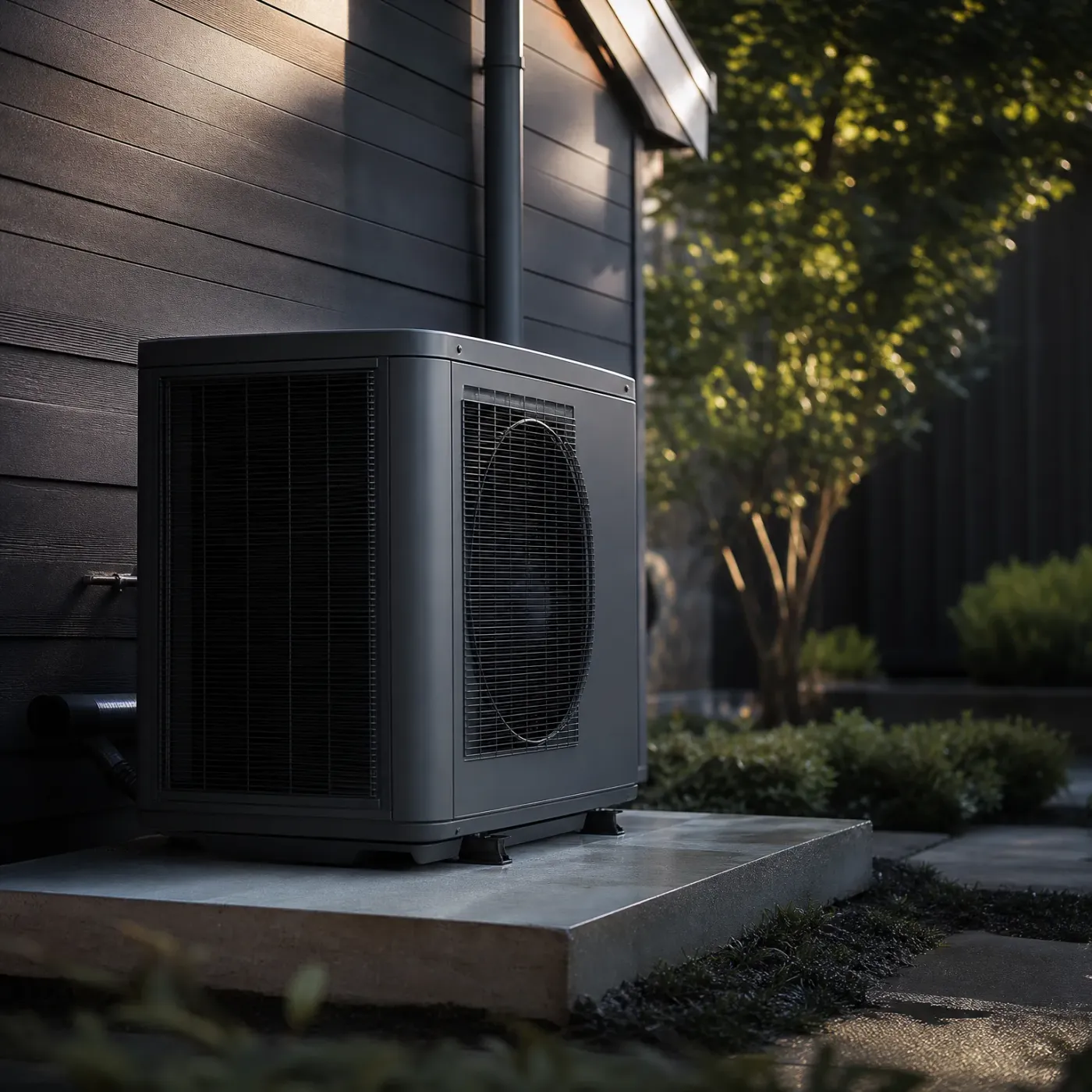
Get the right pro for your heat pump
Most homes in Colorado heat with gas, so a heat pump here is doing a job gas usually does, and with typical power rates the math isn't automatic. What it costs to run against what it saves depends on your home and your setup. Answer that below, then get matched with a contractor who can look at your specific situation.
Find a heat pump proA heat pump can be worth it in Colorado, but it depends on what it's replacing. If you're running one alongside a gas furnace, the heat pump should handle the mild months, spring and fall, while the furnace takes over when temperatures drop low enough that a heat pump has to work harder to pull heat from outside air. That split matters because most homes here already heat with gas, and gas is usually cheap to run even at typical power rates. The heat pump earns its keep in summer too, since it cools the same way a central air conditioner does, and Colorado summers are hot and dry enough to need that. Whether the math works out depends on how your system is set up, whether it's a heat pump alone or paired with your existing furnace, and what your home needs to stay comfortable through both seasons.




A heat pump doesn't burn anything to make heat. It grabs warmth already sitting in the outside air and moves it indoors, which is why it still works when it's cold out, just with less to pull from. Once the outdoor temperature drops far enough, the unit runs out of heat to grab and leans on the furnace instead. That handoff is what a dual fuel setup is built for. It's automatic, controlled by a thermostat watching the outdoor temperature, so you're not standing at a panel flipping anything yourself. Come summer, the same equipment reverses direction and pulls heat out of the house, same as a standard air conditioner would. Because Colorado air is dry, the outdoor coil spends less effort wringing moisture out of it, which is part of why cooling tends to run efficiently here. Underneath all of this is the compressor, the part doing the actual work of moving heat in either direction. A contractor sizes it to your home specifically during installation, not off a generic chart.


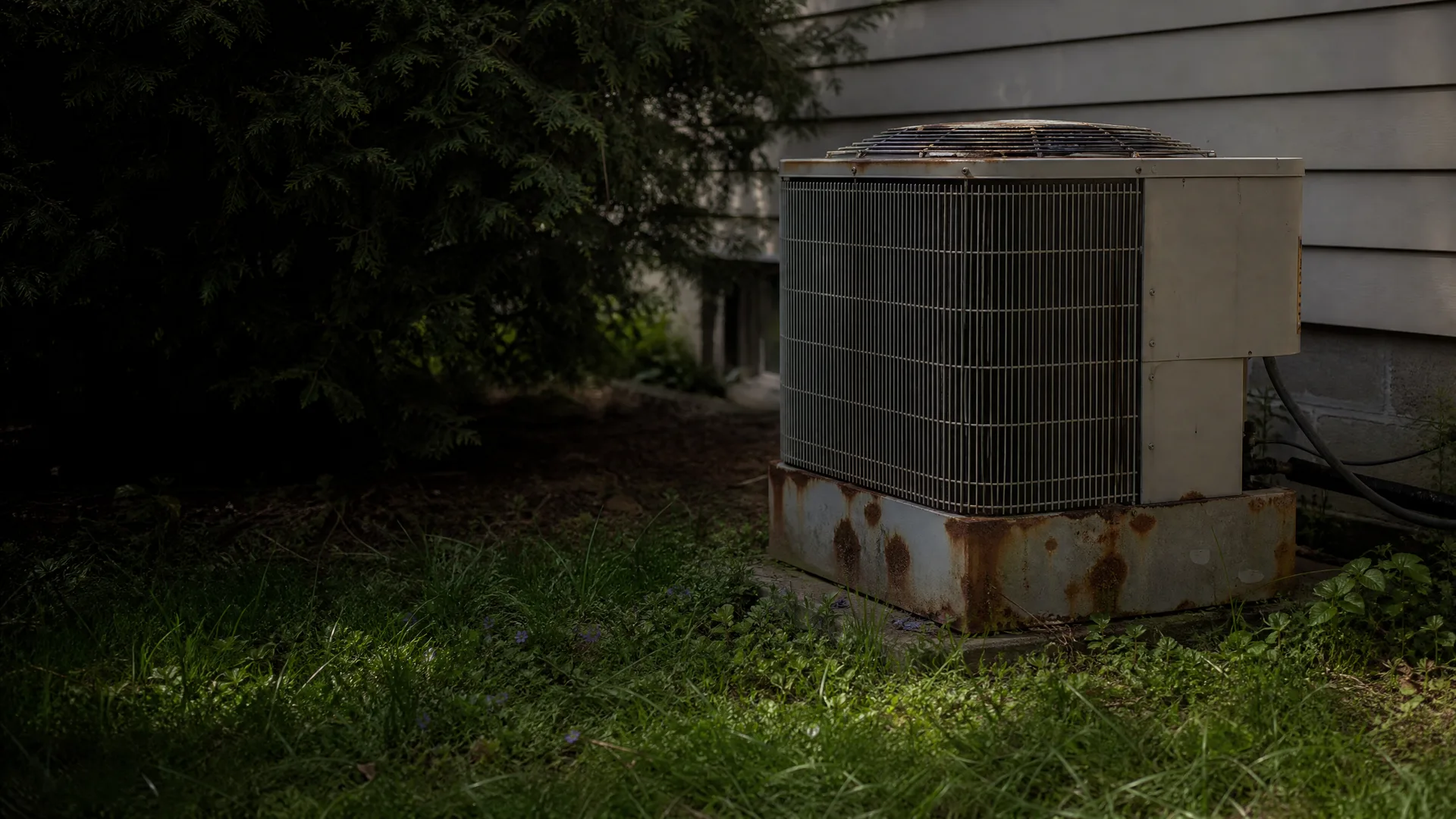
You're out in the side yard on one of the first warm days of spring, coiling the hose that sat frozen all winter. The outdoor unit is right where it's always been, against the fence, and this time you actually stop and look at it. Rust has worked its way along the base, more than you remember from last year. The fan isn't running. Nothing is, not yet, the air is cool enough you haven't needed it. You crouch down and press a thumb against the metal, feel it flake a little. It still turned on fine last week. You straighten up, leave the hose coiled by the back step, and head inside to look up who handles these.
Send the form and the search for an installer is over.
No fee to send it, and nothing to sign.
A dual fuel setup is two systems wired to agree on who works. A thermostat or an outdoor sensor watches the temperature and hands the job to the heat pump or the furnace depending on where that number sits. Nobody has to flip anything by hand. The number that decides it, the switchover point, gets programmed in when the unit goes in, often somewhere around 35 to 40 degrees, but it's not a fixed rule. It depends on what your furnace is rated to put out and how much heat your house actually loses in the cold. A contractor works that out from your equipment and your home, not from a default setting on a screen. Get that number wrong in one direction and the furnace kicks in too early, burning gas for a job the heat pump could still do cheaper. Get it wrong the other way and the heat pump keeps running into air too cold for it to pull much heat from, and the power bill climbs to cover the difference. In summer the same outdoor unit works in reverse. It pulls heat out of the house and sends it outside through the same refrigerant lines it used to bring heat in during winter. One piece of equipment, two directions, and the switchover point is the setting that decides which season it's doing which job.
At 15.69 cents per kilowatt-hour, running your heat pump through the shoulder months costs about what you'd expect for typical power. It's the furnace taking over on the coldest days that keeps your winter bill from riding on electric rates alone.
EIA-861 2025 statewide residential average
Thermostat calls for heat and the heat pump switches on first
The outdoor coil pulls warmth from the outside air
A compressor concentrates that heat and sends it inside
Indoor coil releases the heat and the blower moves it through the ducts


That's the usual switchover point where the furnace takes over. A contractor can set it to match your house, so the heat pump only runs when it makes sense.
The same unit that heats in the shoulder months also cools through Colorado's dry summers. One system doing both jobs is worth having sized and installed right.

In Colorado, paired with a gas furnace, a heat pump is worth it. It takes over in spring and fall at a cost that lines up with typical power rates, then steps aside once temperatures drop and the furnace can do the job cheaper. The switchover point gets set at installation, so the system makes that call on its own all year.
What it's worth in your house depends on how that switchover is set, how the unit's been maintained, and what shape the equipment is in now. A contractor who looks at your setup can tell you where you stand and what, if anything, needs to change. Answer that and the rest of the decision gets a lot simpler.



The right pro for this job
After this form, you can stop searching for a heat pump pro.
