Holding steady
This is a heat pump keeping up on its own. The lines stay clear, the pad is level, and the unit cycles without strain. On a mild Colorado day, this is all it takes to keep the house at temperature.

A heat pump can heat your home through a Colorado winter, but below about 25 to 30 degrees most of them lose ground and need backup heat to pick up the slack. The colder the air outside, the less heat the pump can pull from it, and once it dips into the teens or lower it may run close to constantly just to hold the temperature you set. Since most homes here already heat with gas, the common setup pairs the heat pump with a gas furnace that kicks in once outdoor temperatures drop past where the pump works efficiently. Done right, you get a system that leans on the heat pump during the milder stretches of fall and spring and lets the furnace carry the coldest weeks. Sized and installed without that backup in mind, you could end up with rooms that never quite get warm on the coldest nights.


A heat pump does not make heat the way a furnace does. It takes heat out of the outside air, even cold air, and moves it inside through the refrigerant in the outdoor unit. Run it the other direction in July and that same refrigerant pulls heat out of your house, which is what the reversing valve is for. It flips the cycle between the two jobs.
In winter the outdoor coil picks up frost as it pulls heat from cold air. Every so often the system reverses itself for a few minutes to melt that frost off, and during that stretch the vents blow cool air instead of warm. That is normal and it passes.
Below a certain outdoor temperature the pump cannot pull enough heat from the air to keep up on its own. That is when backup heat takes over, either electric coils in the air handler or a gas furnace paired with the heat pump in a dual fuel setup. The thermostat is what makes that call. If it is configured for auxiliary or dual fuel operation, it watches the outdoor temperature and the indoor setpoint and brings the backup source online automatically, no input needed from you.
The compressor is doing more work as the air gets colder, moving refrigerant harder to pull the same amount of heat from thinner pickings. That is the mechanical reason output drops off in January compared to October.




One installer gets your project, so there's no bidding war over it.
No charge to send it. You decide if you hire them.
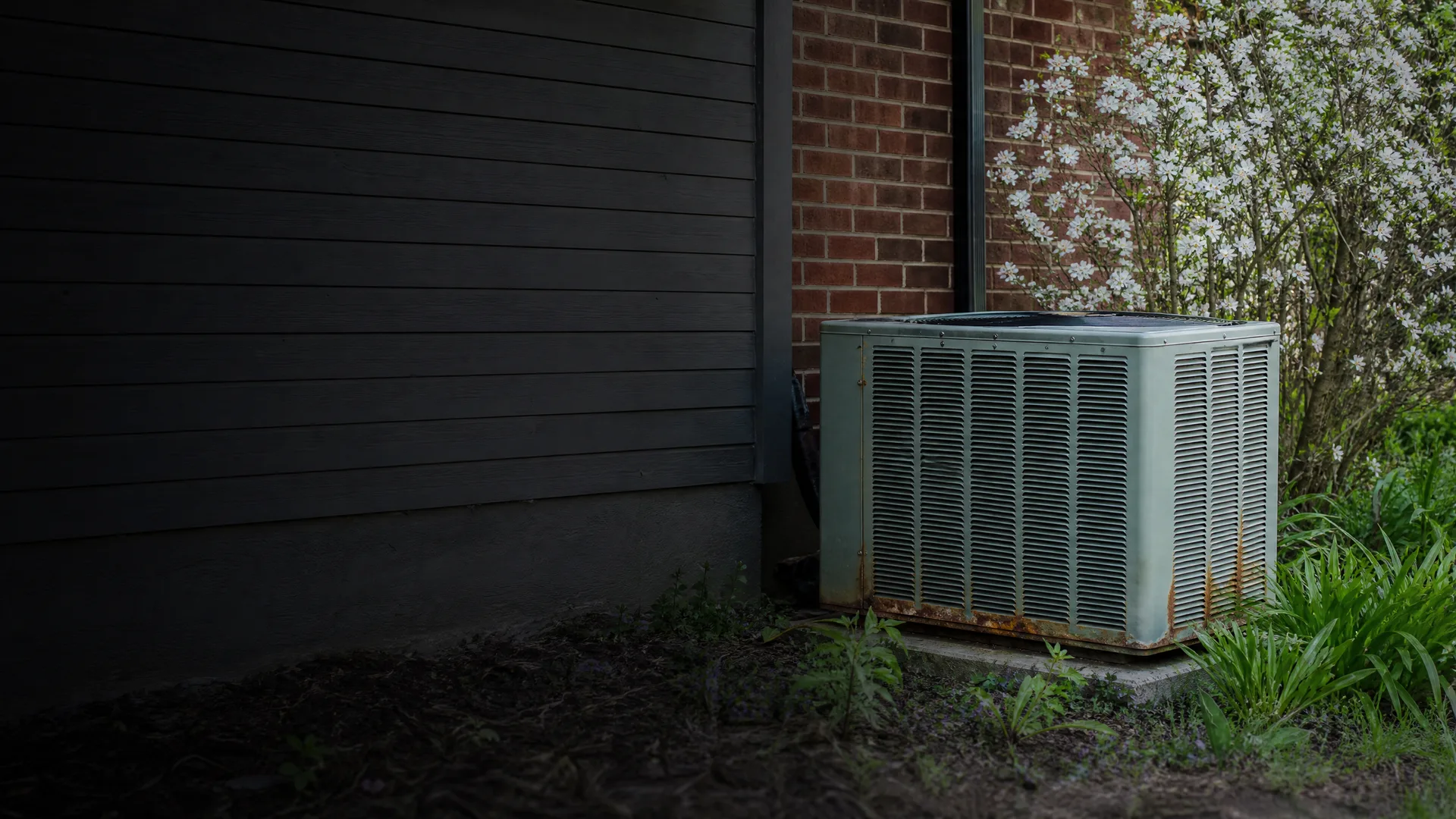
You're coiling the garden hose in the side yard, the first warm day since fall, and you catch sight of the outdoor unit sitting there with rust creeping along its base. It made it through another Colorado winter, but you remember the cold snaps in January when the house felt cooler than you liked and the backup heat kicked on more than you expected. You crouch down and look closer at the rust, wondering how many more winters this one has in it before it starts losing ground on the mild days too, not just the brutal ones.
Walk through your house on a night in the teens or single digits and you may notice the air coming from the vents feels cooler than it did in the fall, even with the thermostat set the same. That's the heat pump losing ground to the cold, and the backup heat stepping in to cover the difference. If the backup isn't kept up, or isn't sized right for your house, you'll feel it as rooms that won't hold a temperature, a furnace or heat strips running long stretches, or a power bill that jumps in January. Left alone through enough cold snaps, a system working that hard wears down faster than one that gets help before the worst of winter arrives.

This is a heat pump keeping up on its own. The lines stay clear, the pad is level, and the unit cycles without strain. On a mild Colorado day, this is all it takes to keep the house at temperature.

Here the same kind of unit is running longer and harder, pulling what heat it can from cold air. Frost can build on the coil in these conditions, and the system needs backup heat to close the gap on the coldest nights.
At 15.69 cents per kilowatt-hour, every degree your backup heat has to supply shows up on the bill. A heat pump sized right for your house keeps that burden small, leaning on the compressor and only calling on backup heat when it truly needs it.
EIA-861 2025 statewide residential average


The thermostat calls for heat and signals the outdoor unit.
The reversing valve shifts to pull heat from outside air.
The compressor concentrates that heat and sends it inside.
The indoor coil releases the heat into the air your ducts carry.

A heat pump sized for your house will handle most of the season on its own and hand off to backup heat when the air outside gets too cold to pull much from. That's not a flaw in the equipment. It's how the system is built to work here, where most homes already lean on gas and the heat pump's job is to carry the load until gas needs to step in.
Getting that handoff right depends on how the system was put in, matched to your house and your ductwork, not just the unit sitting outside. A contractor who installs these year-round in Colorado knows what that balance needs to look like here and can walk your place to size it properly. Through this page you're matched with one, local and licensed, so you're talking to the person who'll actually do the work instead of fielding calls from several companies.






The pro who reaches out is licensed in Colorado.
There's no charge for the request.