Is a heat pump enough for winter in Grand Junction, CO
A heat pump alone struggles once temperatures around Grand Junction drop into the teens and lower, which happens for stretches most winters. The outdoor unit pulls heat from the outside air, and as that air gets colder there is simply less heat in it to grab, so the system works harder and puts out less. Below about 25 to 30 degrees, most heat pumps lean on backup heat to keep the house comfortable, and in this area that backup is almost always a gas furnace already paired with the heat pump in what's called a dual fuel setup. On its own, with no backup source, a heat pump is not enough for a full Grand Junction winter. Paired with a furnace, it does its job on the mild days and lets the furnace take over on the cold ones. If your system doesn't switch over to backup heat on its own, or if it's running constantly without keeping up, that's worth having looked at.
What does winter actually ask of your heat pump here?
Winter nights average 18°F
Nights this cold sit below where most heat pumps work efficiently on their own, which is why backup heat matters in Grand Junction.
Heat runs September through May
Nine months of heat a year means your system leans on whatever handles the cold stretches, not just the mild ones.
Cooling runs July through August
Only two months of cooling means the same unit spends far more of the year heating than cooling your home.
NOAA nClimDiv 1991-2020
How a heat pump handles cold
- A heat pump moves heat by running refrigerant through an outdoor coil and an indoor coil, not by burning fuel.
- As the outdoor air drops into the 30s and 20s, the refrigerant has less heat to pull in, so the compressor runs longer to deliver the same warmth.
- Below a point that's usually in the 20s or low teens, the system switches to backup heat, often electric strip heat or a gas furnace paired with the heat pump.
- A dual fuel setup swaps to the gas furnace automatically once outdoor temperatures drop too low for the heat pump to work efficiently, then switches back when they rise.
- Frost builds on the outdoor coil in cold, damp air, so the unit runs a defrost cycle that briefly reverses the system and can feel like it's blowing cool air indoors.
- A thermostat built for dual fuel or heat pump backup coordinates which heat source runs and when, so the wrong thermostat can leave backup heat running more than it needs to.
A heat pump doesn't make heat the way a furnace does. It moves it. Refrigerant runs between the outdoor coil and the indoor coil, picking up heat outside even when the air feels cold, and releasing it inside. That works fine down to a point. Once the outdoor air drops into the 30s and 20s, there's less heat in it to grab, so the compressor has to run longer and harder to deliver the same warmth to your house. Somewhere in the 20s or low teens, most systems around Grand Junction reach a point where the heat pump alone can't keep up, and that's when backup heat takes over, either electric strip heat built into the air handler or a gas furnace working alongside the heat pump in what's called a dual fuel setup. In a dual fuel system, the switch to gas happens on its own once it gets too cold for the heat pump to carry the load efficiently, then it switches back once temperatures climb again. You may also notice the system blowing cool air for a few minutes on cold days. That's the defrost cycle clearing frost off the outdoor coil, and it's normal. None of this coordination happens right without the correct thermostat. A standard thermostat doesn't know how to manage a second heat source, and that mismatch is a common reason backup heat runs more than it should.




Without backup heat, a heat pump keeps running on those teens-and-below nights, just less effectively, and the house falls a few degrees short of the thermostat setting while the system works harder than it should to close the gap.
With a gas furnace paired as backup, the furnace takes over once outdoor temperatures drop too far for the heat pump to keep up, and the house holds its temperature the way it's supposed to through the coldest part of a Mesa County winter.


You'd feel it room by room before you saw it on a bill. The air out of the vents loses its edge on the coldest nights, and the rooms farthest from the thermostat cool off first. The compressor keeps running to make up for it, hour after hour, and that kind of steady strain adds up over a winter of use. Some mornings the outdoor unit picks up a layer of ice, and until the defrost cycle clears it, the heat it delivers inside drops off. None of this shows up as an obvious failure. The thermostat can read the right number while the room itself still feels off by a few degrees. The part you notice first is usually the power bill, climbing in the months the system is working alone against the cold. Paired with backup heat, the unit isn't carrying that load by itself, and the house holds a more even temperature through the parts of winter that ask the most of it.
What a hard winter does to your house
- On a night in the teens, a heat pump running alone leaves supply air noticeably cooler at the vents than it would on a mild night.
- Without a furnace to carry the load, the compressor runs long stretches without cycling off, which adds wear over a winter of that use.
- If the backup heat isn't sized or paired correctly, you can feel cold spots in rooms farthest from the thermostat on the coldest mornings.
- A heat pump working too hard for too many hours shows up as a higher power bill in the months it's fighting the cold alone.
- Ice can build on the outdoor unit during cold, damp stretches, and the system needs a working defrost cycle to clear it before heating suffers.
- A household used to even heat may notice the thermostat satisfied on paper while the rooms themselves still feel cold.


No calling every shop in Mesa County
Sorting out whether your setup needs a backup furnace, a different control board, or just a tune-up before the cold months isn't something you work out from a search box. It takes someone who has looked at heat pumps paired with gas furnaces around Mesa County and knows which ones get through a stretch of teens without the house falling behind. A local contractor who installs these year-round has seen what fails first in this climate and what pairing actually holds up on the coldest nights. Instead of calling around to find someone who knows cold-climate heat pump setups, explaining your system twice, and weighing quotes against each other, you send one request and it goes to one contractor who already knows this weather. That's one less thing to sort out before the next cold snap rolls through Grand Junction.
How the switchover actually works
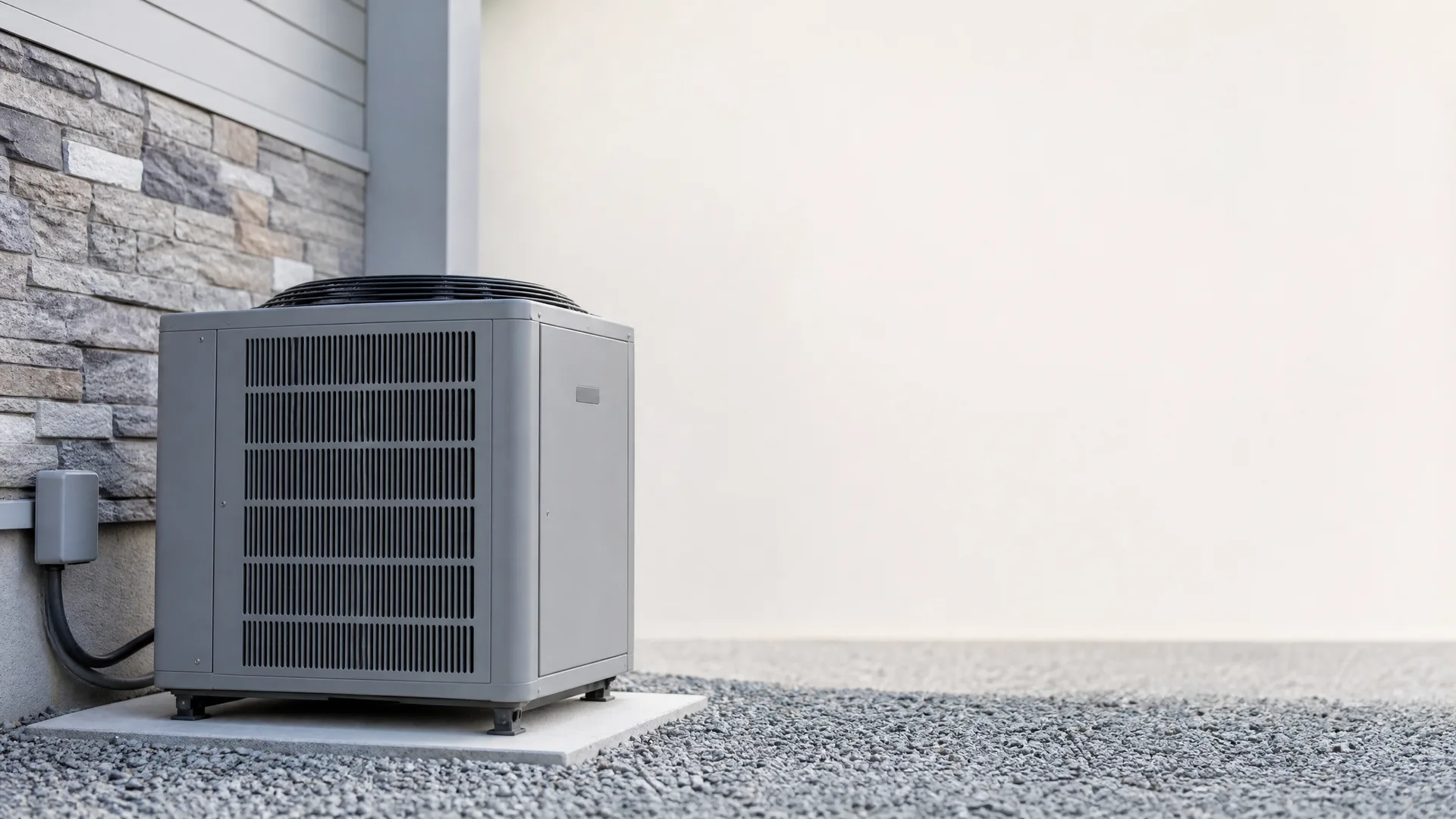
Most heat pump setups here pair with a gas furnace through a control board that decides which one runs. Below a set outdoor temperature, usually somewhere in the 30s or lower, the board shifts the load to the furnace and the heat pump stops trying to keep up. You never touch this. It happens automatically, mid-cycle, without a thermostat change or a sound you'd notice from another room.
Why the furnace side matters more here
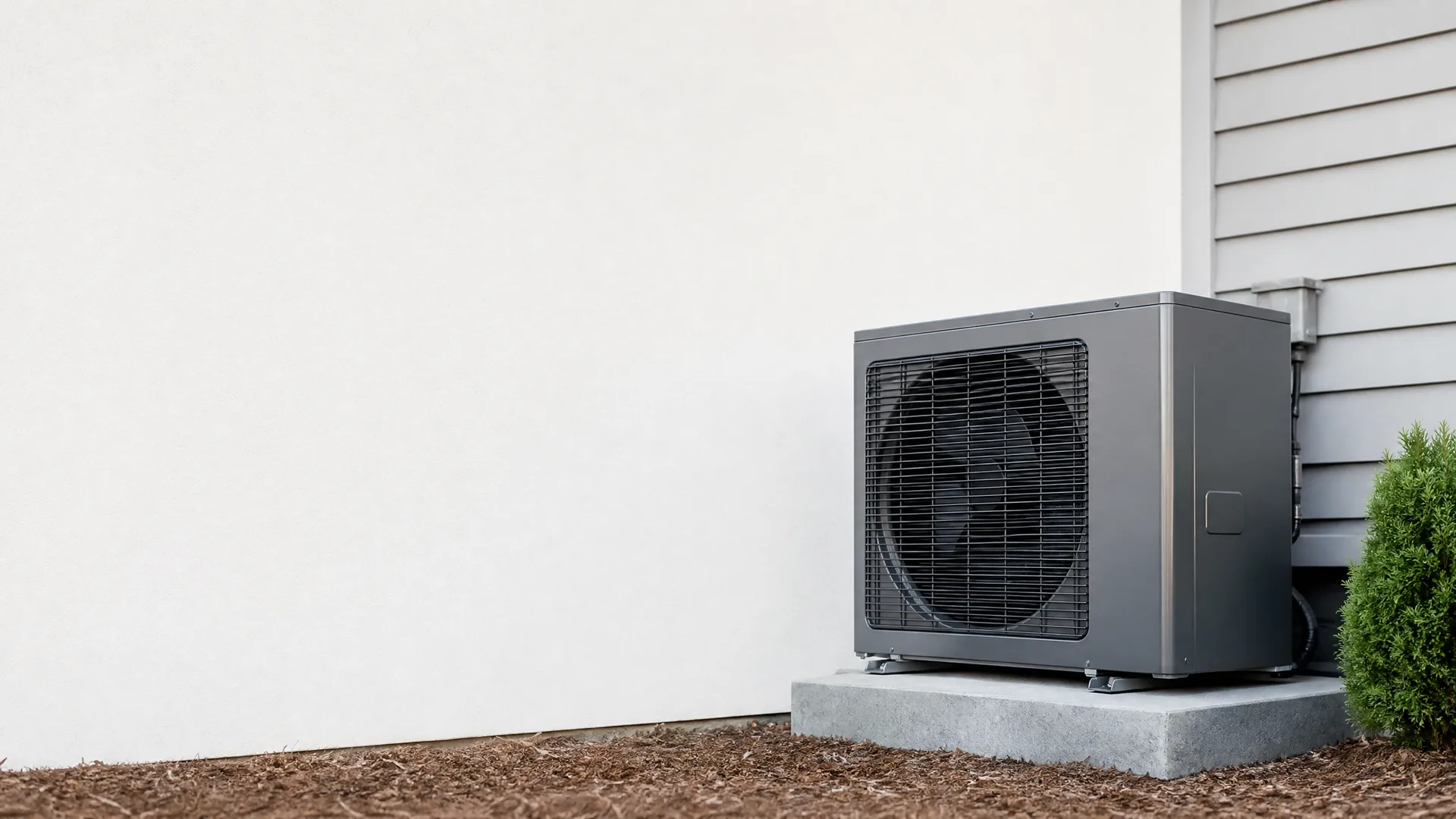
Grand Junction gets stretches of nights in the teens most winters, and that's exactly the range where a heat pump's output drops off. A furnace burning gas doesn't lose capacity as the air outside gets colder, so it carries the house through the coldest nights while the heat pump handles the milder ones. That split is why most homes in Mesa County run this pairing instead of a heat pump alone.
What temperature does a heat pump stop working in?
You've probably noticed the outdoor unit working harder on the coldest nights, and you want a real number, not a vague answer about "cold weather" affecting performance. You're trying to figure out if there's an actual cutoff where your heat pump quits, or if it just gets worse and worse as the temperature drops, so you know what to watch for this winter.
It doesn't stop at one number, it loses ground as the air gets colder
There's no single temperature where a heat pump shuts off. What happens instead is a steady decline. Most units start losing meaningful capacity somewhere in the 30s, and by the time outdoor air hits the teens, the compressor is working close to its limit just to keep supply air lukewarm. Some heat pumps can technically still run below zero, but by then they're pulling so little heat from outside that they aren't doing much useful work. That's the real reason a paired furnace matters here. It's not that the heat pump breaks at a specific line, it's that Grand Junction gets enough nights in that low range where the heat pump alone can't keep up with what the house is losing.
Thermostat calls for heat and signals the control board.
Board checks outdoor temperature against its switchover setpoint.
Above setpoint, the heat pump runs and furnace stays off.
Below setpoint, the board shuts down the heat pump.
Power here costs 15.80 cents per kilowatt-hour
At 15.80 cents per kilowatt-hour, every hour your compressor runs long on a cold night shows up on the bill. That's part of why the furnace side of your system matters once temperatures drop, since it burns gas instead of pulling more from the grid at that rate.
EIA-861 2025
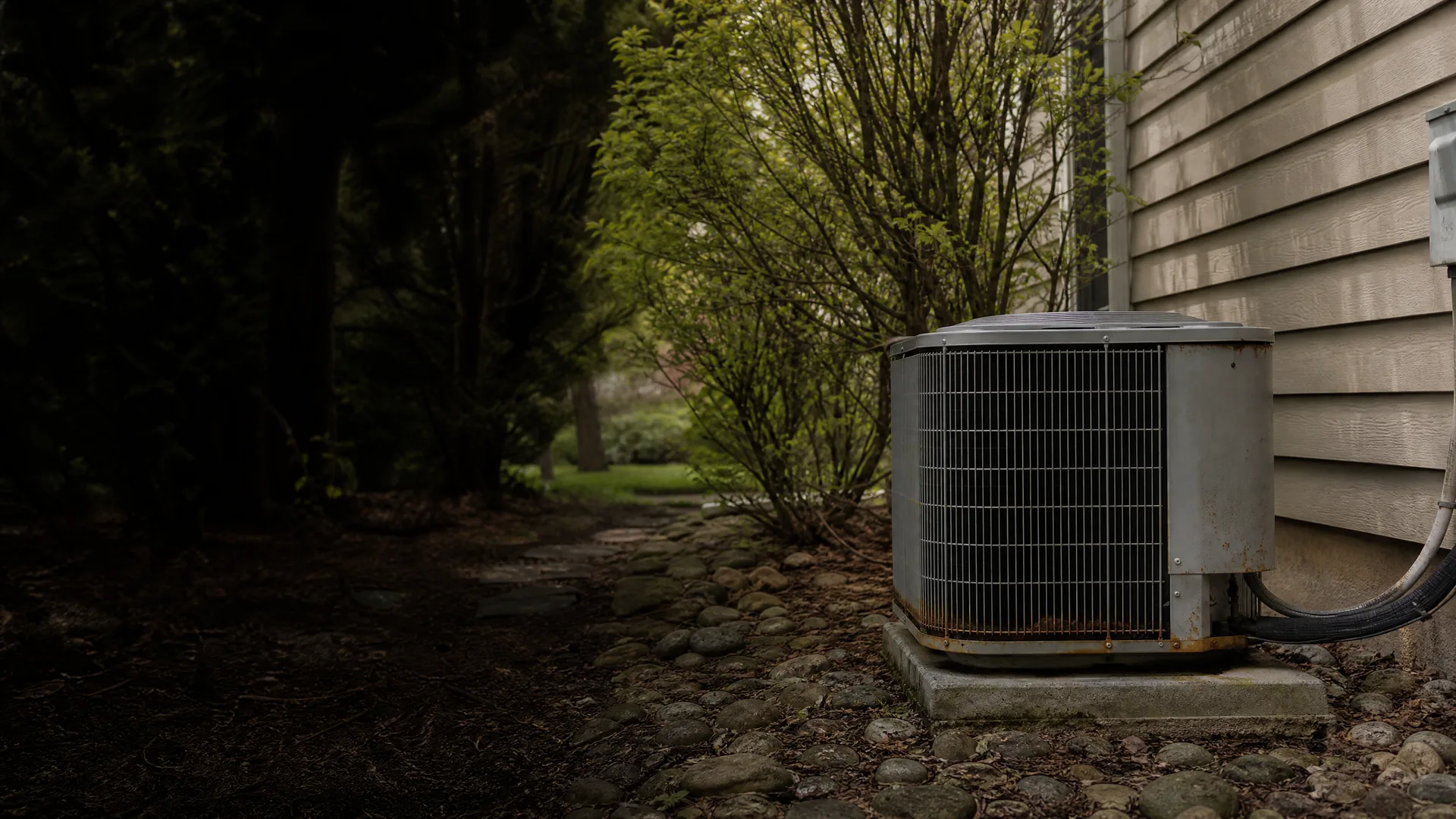
You walk around the side of the house in March to check the outdoor unit before the weather turns again. Rust has worked its way along the base, a thin orange line where the metal meets the pad. The fan isn't running. It's not cold out, maybe mid-40s, the kind of afternoon where the heat pump should be handling things fine on its own. You crouch down and notice the panel feels loose at one corner. Mesa County had another stretch of teens in January, and you remember the furnace carrying most of it. Now you're wondering how many more winters this outdoor unit has before something gives out on a night it can't afford to.
A heat pump alone is not enough here, and that's by design
A heat pump on its own cannot carry a Grand Junction winter through the teens and single digits. That's not a flaw in the equipment. It's why these systems pair with a gas furnace, with a control board that hands off the load once the outdoor air gets too cold to pull heat from efficiently. Get that pairing set up right and the system handles the whole winter without you thinking about it.
Getting there means someone who actually knows heat pump and furnace pairings in Mesa County looking at your setup, not three companies bidding on a guess. You would otherwise be calling around, explaining the same thing to each one, and comparing quotes for work you can't fully judge yourself. One licensed local contractor who works on this equipment every winter can tell you what your system needs, whether that's a furnace pairing, a control board, or just a setpoint adjusted before the cold sets in.

One form, no calling around
The pro who gets in touch is licensed in Colorado and works in Mesa County.
There's no charge for the request.