




AC blowing warm air in Denver, CO

Get matched with a pro who fixes air conditioners in Denver County.

Find a pro near me

Warm air from your vents usually means the compressor outside has stopped running while the indoor fan keeps blowing. A dirty air filter or blocked outdoor unit can cause this by starving the system of airflow until it shuts down to protect itself. A low refrigerant charge does the same thing, and in Denver's dry heat a system that's been working hard all summer is more likely to have developed a leak. It can also be simpler: a tripped breaker or a bad capacitor will stop the compressor cold while the blower runs on its own. Check your thermostat is set to cool and a few degrees below room temperature first. If the air stays warm after that, something inside the unit needs a look, and running it this way for days can push a struggling compressor toward a bigger repair.

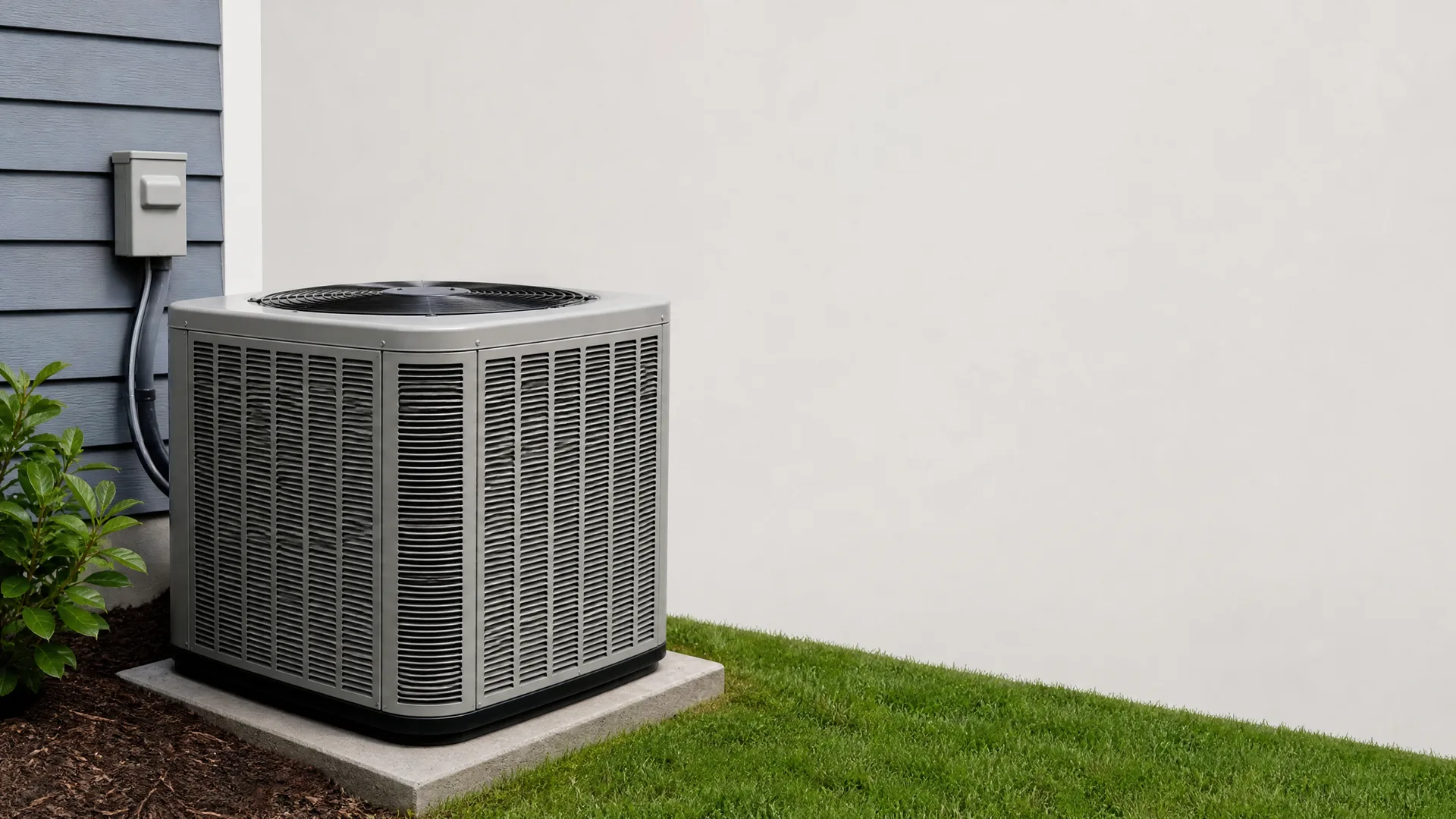
An outdoor air conditioning condenser unit sits on a concrete pad beside a house, next to blue siding with an electrical disconnect box, with a shrub, mulch bed, and lawn nearby.

Why the filter matters so much

A clogged filter cuts off the airflow your system needs to move heat out of the house. In Denver, dust and dry air can load up a filter fast. Once airflow drops low enough, the evaporator coil can ice over. Air still comes through the vents, but it has passed over ice instead of a cold coil, so it reaches the room warm instead of cool.

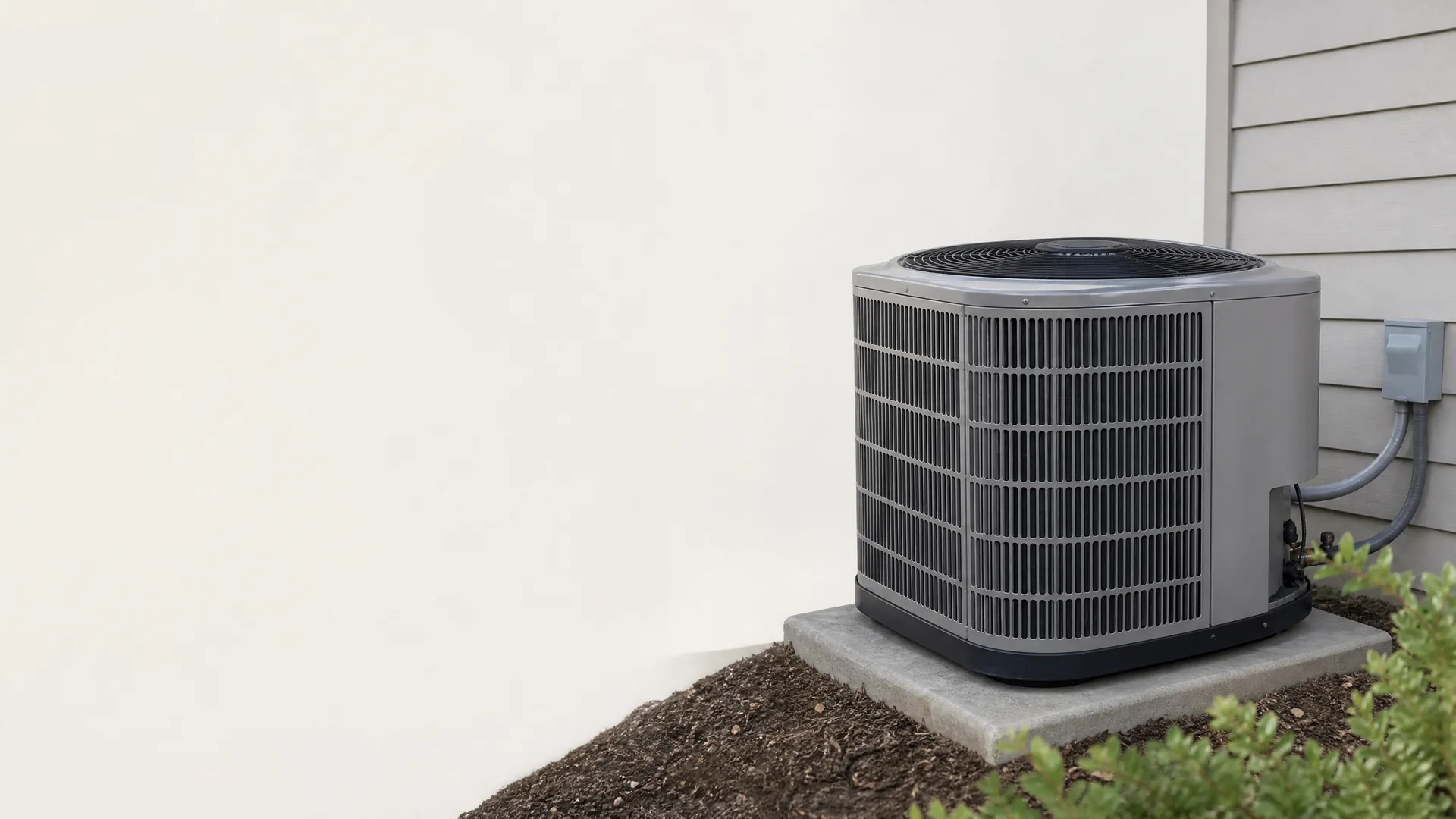
A gray outdoor air conditioner condenser unit sits on a concrete pad beside a light-colored wall and lap siding, with a wall-mounted electrical box, conduit, soil and green shrubs in the foreground.

What the outdoor unit needs around it

The compressor and condenser coil sit outside in your side yard or along the house, and they need open air to shed the heat they pull from inside. Cottonwood seed, mowed grass and leaves settle into the fins over a Denver summer. When that coil can't release heat, the system trips a safety switch and shuts the compressor off, leaving the indoor fan running on its own.

A woman in a tan sweater and jeans stands in the open black-framed front doorway of a white single-story house, while a blonde woman in an orange sweater and jeans walks toward her along a concrete paver path bordered by shrubs.

What this means for your house

With the compressor down, your thermostat still reads the set temperature, but what's coming through the vents is just room-temperature air getting pushed around. In a Denver summer, a house holds heat fast once the AC stops actually cooling, and upstairs rooms will climb first. Run it this way for more than a few hours and you risk the compressor itself, since a system that's tripped off from low airflow or low refrigerant and keeps getting restarted can suffer more damage each cycle.

If you've swapped the filter and checked that the outdoor unit isn't buried in leaves or dirt and it's still blowing warm, the problem is inside the system, not something you can see from the thermostat. That points to a refrigerant leak or an electrical fault at the compressor, and both need someone who works on these systems to diagnose it with the right gauges. A local contractor licensed for this work can look at your specific unit and tell you what's actually failing, rather than you guessing at parts.

A gray upholstered sofa with a beige cushion and knit blanket beside a curtained window, with a white mug and a book on a dark wooden table in the foreground and a lit lamp in the background.
A gray outdoor air conditioner condenser unit on a concrete pad beside a house with horizontal lap siding, with a wall-mounted disconnect box and conduit, mulch bed, shrub, and lawn nearby.

Running the way it should

This is a condenser doing its job. Refrigerant lines run up the wall to the disconnect box, the unit sits clear of the mulch and grass, and nothing blocks the airflow it needs to pull heat out of the house. Quiet, steady, nothing to check.


An outdoor air conditioner condenser unit sits on a gray pad beside a light vinyl-sided wall, on a concrete slab next to a gravel bed.

Running but not cooling

This unit looks fine from a few feet back, lines and conduit intact, pad clear. But a condenser can sit there drawing power and still not move heat if the compressor inside has cut out. Nothing about the outside tells you that until you check the air coming out of the vents.

A woman with long brown hair wearing a green V-neck top and beige cardigan sits on a light sofa, looking off to the side, with a dining table, lamp and framed picture in the background.
A woman in a beige cardigan sits on a light-colored sofa with a blanket over her lap, looking off to the side, in a living room with large houseplants and a window.
A woman with long wavy brown hair in a grey ribbed sweater sits on a couch indoors, looking toward a window, with a potted palm-like plant and fireplace behind her.
A woman with long dark hair in a cream knit sweater sits on a beige sofa indoors, looking toward a bright window with a houseplant and framed picture in the background.

Filter and airflow problem

If the filter is dirty or the outdoor unit is blocked, clearing it can get the compressor running again on its own, no parts needed.

Get my match

Compressor or refrigerant problem

If airflow isn't the issue, you're looking at a failed capacitor, a bad compressor, or a refrigerant leak, and that calls for a licensed technician.

Get my match
An outdoor air conditioning condenser unit on a concrete pad beside a house with horizontal lap siding, with a shrub and mulch bed to the left and conduit and a small electrical box on the wall to the right.
Before you get your air conditioner repair
A gray outdoor air conditioner condenser unit sits on a concrete pad beside a house with horizontal lap siding, with conduit and an electrical disconnect box on the wall, dark mulch and a shrub to the left, and a concrete walkway in the foreground.
After you get your air conditioner repair

Find an air conditioner repair pro in Denver County

A Denver summer doesn't wait while you figure out whether the problem is a filter or the compressor itself. Heat builds in a closed-up house fast once the vents stop doing their job, and by the time you notice it's warm air coming through, the system has usually already been struggling for a while. Some of what's wrong you can check yourself, like the filter or whether something's blocking the outdoor unit. A failed capacitor, a refrigerant leak or a compressor that's quit need someone who works on these systems locally and sees this same failure every summer here, not a guess over the phone. One contractor who knows Denver equipment and Denver heat gets your request, so you're dealing with one call back, not five companies competing for your number. That's worth more on a 95 degree afternoon than sorting through estimates yourself.

You keep running the thermostat lower, hoping the air coming through will catch up, and the house climbs anyway because a compressor that's stopped running doesn't care what the setting says.

A technician checks the filter, the outdoor unit, and the compressor itself in one visit, and most of the time tells you right there whether it's a quick fix or a part that needs replacing.

Cooling runs June through August

Three months a year, your air conditioner is the only thing standing between your house and a Denver summer. When the compressor quits during that stretch, there's no mild weather to fall back on while you sort it out.

NOAA nClimDiv 1991-2020

Warm Air, Simple Answer

  • Warm air from the vents almost always means the compressor outside has shut off while the indoor fan keeps running.
  • A dirty filter or a blocked outdoor unit is the most common cause, and clearing it can bring the compressor back on its own.
  • If airflow checks out fine, the problem is likely a failed capacitor, a refrigerant leak, or a compressor that's worn out.
  • The fan running without the compressor can fool the thermostat reading while the house keeps climbing in the heat.
  • A technician can tell within minutes whether you're looking at a simple fix or a part that needs replacing.
  • Denver summers don't leave much room to wait once the vents stop doing their job.

Warm air coming through the vents means the compressor outside stopped running while the indoor fan kept going. That fan doesn't know the difference, so it keeps pushing air through the house whether the compressor is working or not. Most of the time the cause is something blocking airflow, a dirty filter or a crowded outdoor unit, and the compressor shuts off to protect itself until that's cleared. Clear it, and the system often starts back up without needing a single part replaced.

If the filter's clean and the outdoor unit has room to breathe, the answer sits inside the system itself. A capacitor that's given out, a refrigerant leak, or a compressor that's reached the end of its life will all leave you with the same warm air and a fan that runs anyway. These aren't things to diagnose by guessing. A technician checks the filter, the airflow, and the compressor itself, and knows within minutes which side of that line you're on.

What doesn't change is the clock. Denver summers run hot and dry for three months straight, and a house with no working compressor heats up fast with nothing mild outside to slow it down. Lowering the thermostat doesn't fix a compressor that's stopped. Getting the actual cause in front of someone who works on this equipment all season is what gets the cold air back.

An older woman with short gray hair in a cream knit sweater stands smiling and looking to the side behind a wooden counter holding a round loaf of bread, in a warmly lit kitchen with shelves and a window showing snowy trees at dusk.
A woman and a child wrapped in a knitted blanket sit together on a couch in a dimly lit room with a glowing table lamp behind them.

Air Conditioner Repair

Matched to your air conditioner job

A licensed pro who works in Denver County gets your request.

A black-framed smartphone standing upright against a plain light gray background, its screen filled with solid green.
RepairCentral ACDenver County, CO
Step 1 of 2

What ZIP code is the job in?