12 to 15 years
If your AC is in that range or older, a breakdown this summer is a sign to replace it, not patch it again before the heat is even over.
Done looking for an air conditioner pro
Your AC in Greeley has to get through long, hot, dry summers, and at some point every unit stops being worth fixing. This page walks through the signs: its age, what repairs are starting to cost you, whether it still keeps up on the hottest days. Once you've got an answer, send the form and let a local contractor take it from here.
Let a pro reach outMost central air conditioners last 12 to 15 years, and once yours is past that mark, a breakdown is a sign to replace it rather than fix it. In Greeley, summers are hot and dry for months at a stretch, and an aging unit runs harder here than it would somewhere cooler, which wears down the compressor faster. If yours is in that age range and the repair bill is more than a small fix, that money is better put toward a new system. The same goes if it's struggling to keep the house cool on the hottest afternoons, running constantly without getting there, or if your power bills have been climbing even though you haven't changed how you use it. A unit under 10 years old with one broken part is usually worth fixing. One that's old, unreliable, and expensive to keep patched together is not.




If your AC is in that range or older, a breakdown this summer is a sign to replace it, not patch it again before the heat is even over.
A unit near the end tends to fail one part after another through a hot summer. Each fix costs something, and none of them buy back the years.
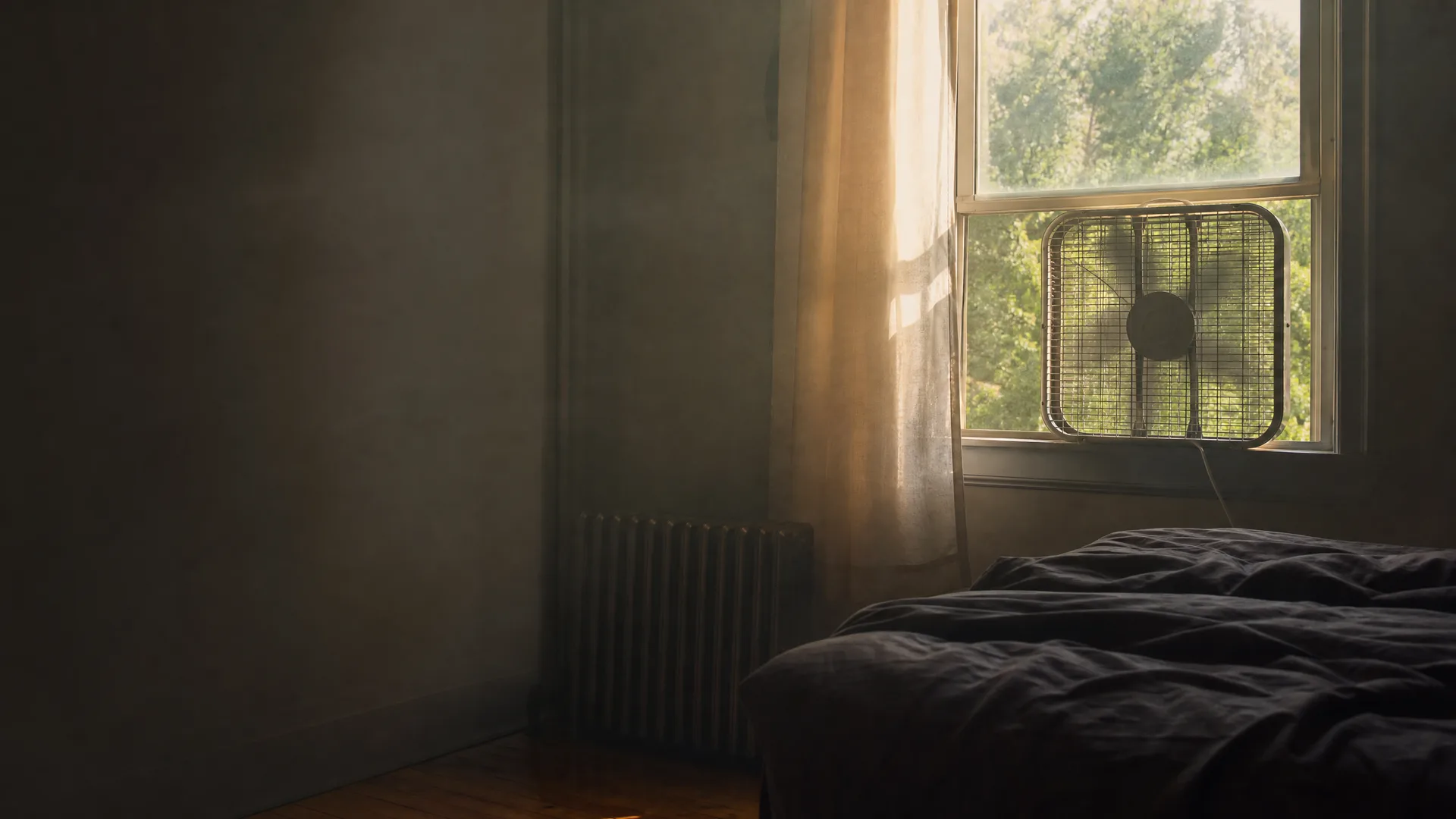
By nine the sun's long gone and the room still hasn't let go of the heat. The box fan in the window just pushes the warm air around. You're on top of the sheets, not under them, and the dog's stretched flat on the floor vent like it's the coolest spot in the house, which it probably is. Downstairs you can hear the AC still running, same as it's been running most of the afternoon. Out the window, the street's quiet, porch lights on, somebody's sprinkler ticking away in the dark. You check the clock. Still an hour before it's worth trying to sleep again.
A system on its last year doesn't wait for a convenient week to go. It gives out on the day that's 97 and dry, the kind Greeley gets a run of every summer, and that's when you're stuck choosing between another repair bill and a full install under pressure. Getting the replacement lined up before that happens means you're picking the time instead of the weather picking it for you. Send the form and the request goes to one contractor, someone local who installs and services AC units in Weld County all summer and knows what a 12 to 15 year old unit here is usually dealing with. You're not fielding calls from five different companies trying to win the job. Someone who already knows this climate and this age of equipment looks at your situation, and you go back to your evening instead of working the phone.
If your AC is under 10 years old and this is the first real breakdown, fixing it is the right call. A capacitor, a contactor, a low charge, these are normal failures on a unit that still has years left in it. The repair gets you through the rest of this summer and probably the next few. There's no reason to replace a system that's otherwise kept up fine on the hot, dry days just because one part gave out. Save the replacement decision for when the failures start stacking up or the unit can't keep the house cool on a 97-degree afternoon.
If your AC is past 12 to 15 years and it's already failed once or twice this summer, another repair just delays the same decision. Parts on an older unit wear out together, not one at a time, so fixing the compressor this month doesn't mean the coil or the fan motor holds much longer. Replacing now means you pick the week it happens instead of losing cooling on a 97-degree day in Greeley with no air conditioner in the house. It also means the next unit runs new through the hardest months instead of struggling through them.



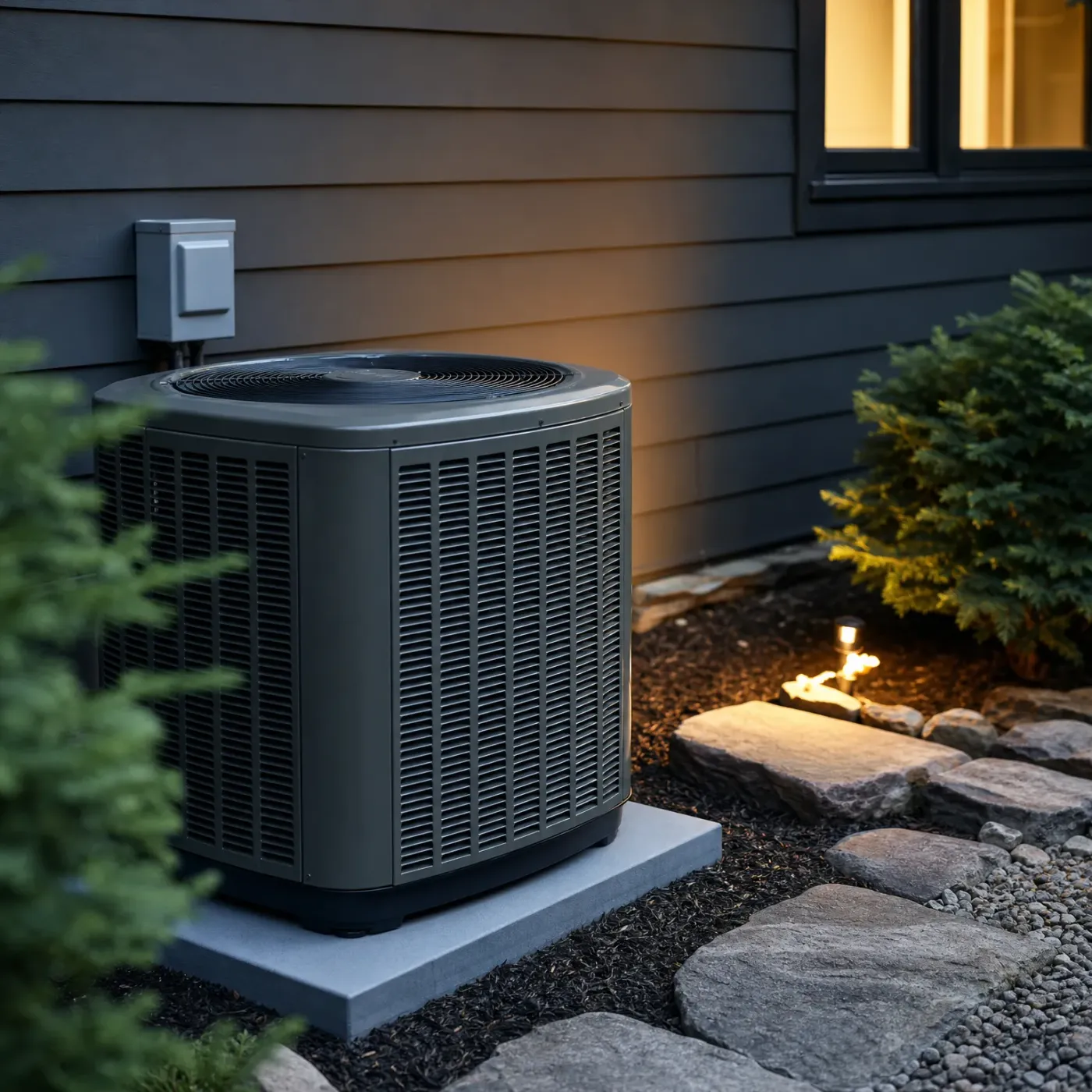
The unit cycles on, holds its temperature, and the pad around it stays clear and dry. The disconnect box is intact and nothing smells hot when it kicks on. A unit in this shape is worth maintaining, not replacing, no matter its age.

Bare ground around the pad, a unit that runs long and still can't catch up on a hot afternoon, ice on the lines or a burnt smell near the disconnect. These are signs the unit is working past what it can handle, and a Greeley summer will find the rest of its weak parts.
Three months of real heat is all your AC gets here, but it runs hard every day of those three. A unit near the end of its life doesn't get a break to recover before the next 95 degree afternoon comes around.
NOAA nClimDiv 1991-2020
Age and condition decide this, not which one you'd rather deal with. A unit past 12 to 15 years that's already failed once this summer is telling you something, and a second repair just delays the same decision to a hotter day. A younger unit, under 10 years, with a first breakdown is a different case. Fix it. The part failed, not the system, and you'll likely get years more out of it. What costs you is treating every breakdown the same way regardless of the unit's age, patching a system that's past the point of patching, or replacing one that still runs clean because the thought of a repair call feels like a hassle. Greeley doesn't give an old unit room to coast. The stretch of hot, dry days here means a weak system is working near its limit on an average afternoon, not just on the worst one, and that's what turns a slow decline into a sudden failure. The one mistake worth naming again is waiting. Not because waiting is wrong on a unit that's still sound, but because deciding in July, with the house at 85 and no cool air coming, is a worse version of the same decision you could make now, on a day when nothing's actually broken yet. Know where your unit stands before the heat forces the question.


Send one request and you're done looking
A licensed pro who works in Weld County gets your request.
