












When to replace a heat pump in Greeley, CO

Send the form and stop researching installers for the new heat pump.

Hand it off

A heat pump in Greeley is usually worth replacing once it's about 15 years old, needs a repair that costs close to what a new system would, or can't keep the house warm when temperatures drop into the single digits or below. Weld County winters push a heat pump hard, and once the compressor or reversing valve starts to go, the unit often falls back on its backup heat strip for more of the season than it should, which shows up as a high power bill. If yours is cycling on and off more than it used to, or one room stays cold no matter what the thermostat says, that's the compressor losing capacity, not just a dirty filter or a bad thermostat setting. A unit still under 10 years old is almost always worth fixing. One past that age, breaking down in January, is a different decision, and it's worth knowing which one you're in before the next cold snap makes the choice for you.

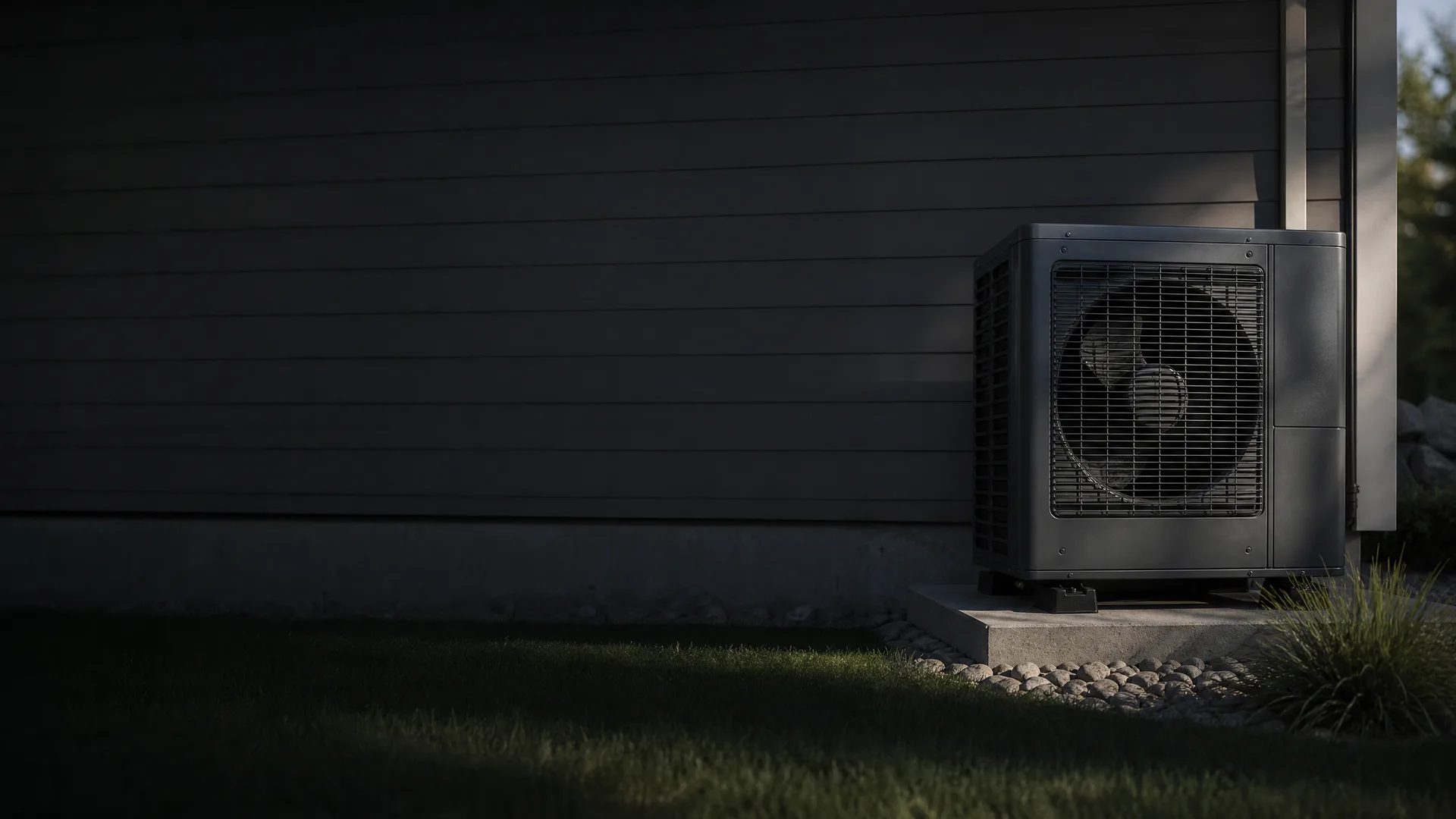
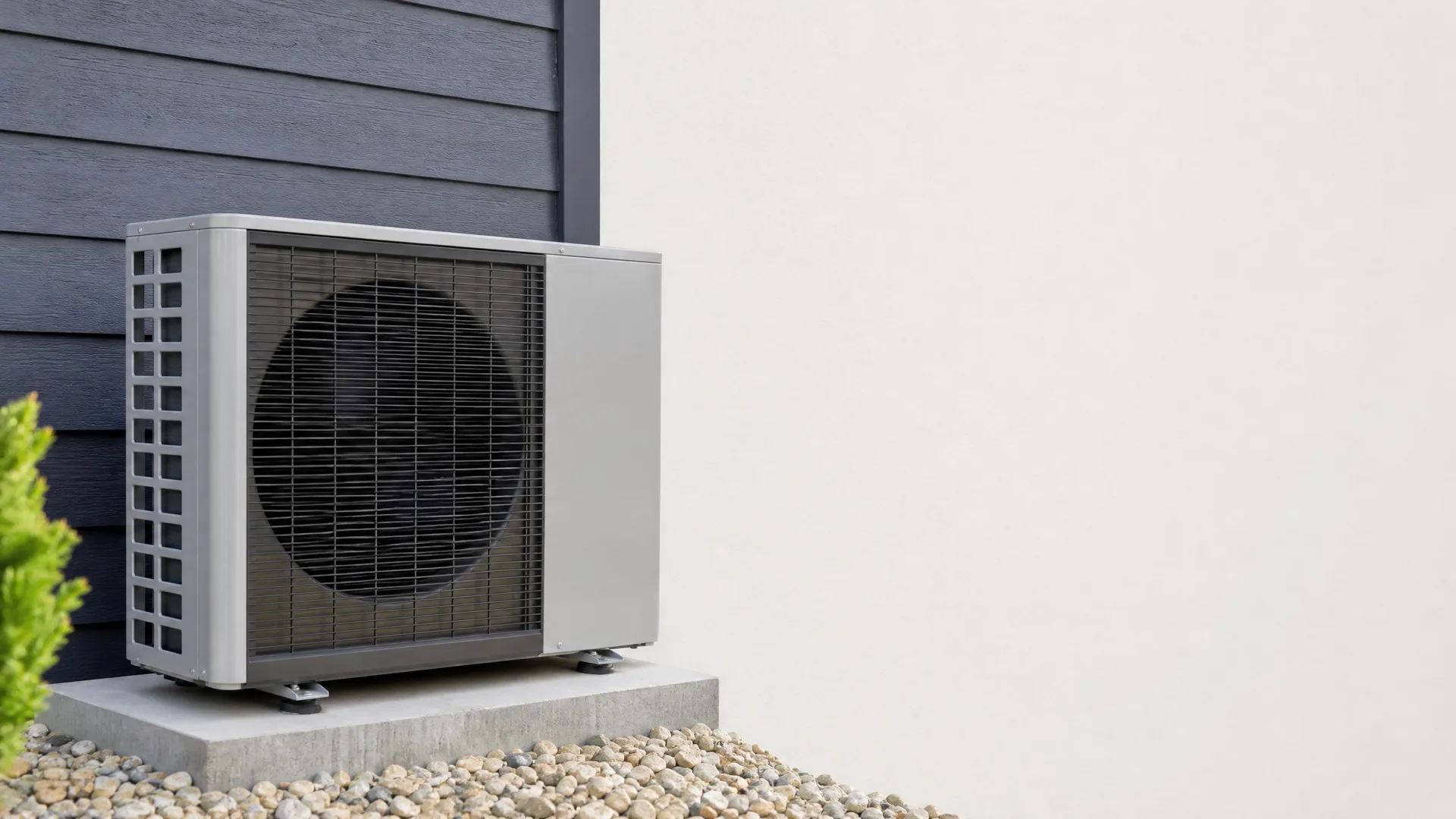
An outdoor air-source heat pump unit on a concrete pad beside a dark horizontal-board wall and a plain light-coloured wall, with gravel and a small green shrub in the foreground.

Why age catches up with it

A heat pump works harder here than it would somewhere mild, because it's pulling heat out of cold outside air all winter instead of just moving warm air around. The compressor runs longer hours to hit the same room temperature. By year 15, most have logged enough cycles that the compressor or the reversing valve is near the end of what it was built for, even if the system still turns on and runs.

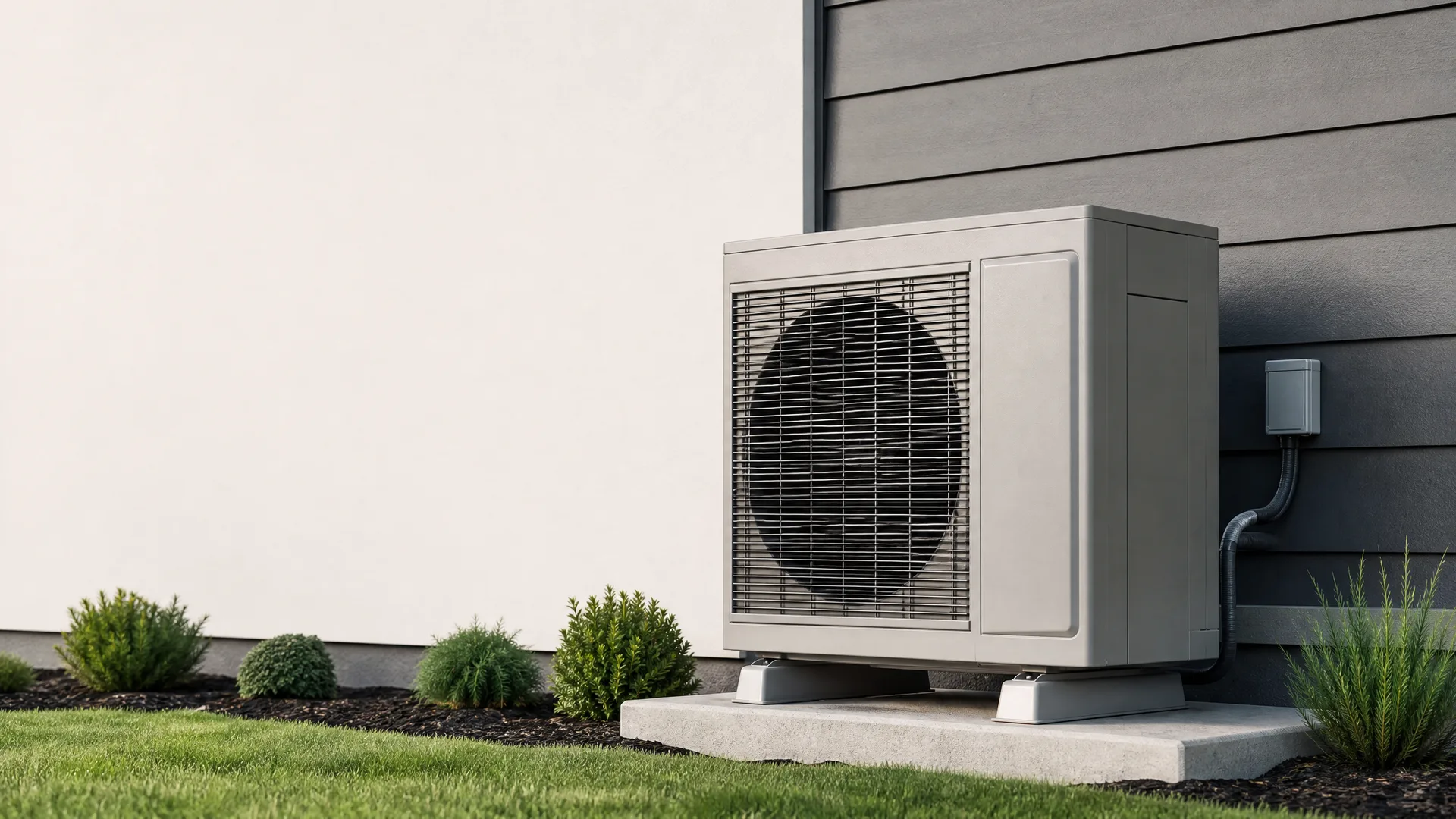
A light gray outdoor heat pump unit on a concrete pad beside a house with white stucco and dark horizontal siding, with a conduit running to a wall-mounted electrical box and small shrubs and lawn in front.

What a cold snap tells you

Below freezing, a heat pump has to work to pull any heat from the outside air at all. A system that's losing capacity will often keep up fine down to the 20s or 30s, then fall behind once Weld County gets a real cold snap into the single digits. If the house can't hold temperature on those nights and the backup heat is running constantly, that's the system telling you it's undersized or worn, not just that the weather is bad.

Repair the Heat Pump or Replace It

Repair

  • If the compressor and coils are sound, a repair that fixes one failed part is usually the cheaper path for now.
  • A system under 10 years old with a single broken component, like a failed capacitor or a bad contactor, is usually worth fixing.
  • Repairing keeps you on the refrigerant and parts your contractor already knows, so the fix is often quicker to source.
  • If the heat pump has kept the house warm through past single-digit stretches without strain, that's a sign the core system still works.
  • A repair buys time if you're not ready to plan and pay for a full install right now.

Replace

  • Once the heat pump is around 15 years old, the compressor and coils have logged a lot of hours in Weld County's long winters.
  • If a repair quote comes close to the cost of a new system, putting that money toward a replacement makes more sense.
  • A heat pump that can't keep up when it drops into the single digits is undersized or worn out for what this climate demands.
  • Repeated repairs in the same season point to a system that's failing in more than one place at once.
  • A new heat pump carries a warranty that an aging, repaired one no longer has.
  • Replacing now means you're not choosing a system in the middle of a cold snap, when the house already needs heat.
A man in a blue sweatshirt reclines with his eyes closed in an armchair in a living room, with a folded newspaper and ceramic mug on a side table and bookshelves and a couch behind him.
A bearded man in a navy sweater leans back in a brown leather armchair with his eyes closed and a slight smile, beside a window and a side table holding newspapers and a lamp.
A man in a dark gray sweater reclines with closed eyes and a slight smile in a brown leather armchair in a living room with bookshelves, a sofa, a lamp, large windows, and a folded newspaper on a round wooden table.
A man in a gray fleece pullover sits in a leather armchair with his eyes closed and a slight smile, beside a table with newspapers and a lamp, with a window, potted plant and bookshelves behind him.
A gray outdoor heat pump unit with a large fan grille sits on a concrete pad beside a house with horizontal lap siding, next to a green shrub, mulch bed, and lawn.
Running fine, the unit cycles quietly on its pad, sized right for a Weld County winter.
An outdoor air conditioner condenser unit on a concrete pad beside a house with horizontal lap siding, with a gray electrical disconnect box and conduit on the wall and bare dirt and mulch in the foreground.
Grime caked on the grilles like this chokes airflow and makes the compressor work past its years.

How cold does it get, and how long does the heat pump run?

  • Winter nights average 16°F

    Winter nights here average 16°F. That's well below where most heat pumps start losing efficiency, which is why the backup heat strips kick in so often.

  • Heat runs October through May

    Heat runs October through May here. That's eight months of the compressor working through cold outside air, year after year.

  • Cooling runs June through August

    Cooling runs June through August here. The same unit that heats all winter cools for just three months, so winter work wears on it more.

NOAA nClimDiv 1991-2020

  1. Refrigerant pulls heat from outside air even near 16°F

  2. The compressor squeezes that refrigerant to raise its temperature further

  3. Indoor coils release the heat into air pushed through your ducts

  4. Backup strips switch on when the outdoor coil can't pull enough heat

An older man with gray hair in a green quarter-zip sweater leans back on a couch with his eyes closed and head tilted up, in a sunlit room with windows, houseplants, a lamp, and a cushion behind him.
A woman in a cream knit sweater sits in an armchair with her eyes closed and head tilted back, beside an open window showing orange and yellow foliage, with a mug on a small round table and a bookshelf behind her.
A gray outdoor condenser unit on a concrete pad beside a house with horizontal siding and stone veneer, with a disconnect box and refrigerant lines on the wall, surrounded by mulch, shrubs, and lawn.

Done looking for a heat pump pro

Skip the round of in-home estimates for a new heat pump.

One request ends the search for a heat pump installer.

Start one form

No fee to send it, and nothing to sign.

A closed silver laptop and a light ceramic mug of dark coffee on a wooden table, with a wooden chair at left, a gray wall, a window at right, and a counter with a potted plant and tiled backsplash in the background.

What an aging heat pump costs you this winter

If your heat pump is pushing 15 years, you'll likely notice it before a tech ever looks at it. The house takes longer to come up to temperature after you set the thermostat back. The backup strips kick on more than they used to, and that shows up on the power bill even though rates here are ordinary. Rooms farthest from the air handler run a few degrees cooler than the one with the thermostat. None of that means the system is finished. It means it's working harder for less, and that gap grows every winter it keeps running.

The other cost is your time if something fails on a cold night. Instead of searching for a contractor, calling a few, explaining the same problem over and over and waiting on quotes to compare, you send one form and the legwork of finding someone is done. You still need the work done and paid for, but the part where you hunt for help disappears.

A mug and a small round vase sit on a wooden windowsill beside sheer and heavier curtains, with blurred autumn trees seen through the rain-speckled window and a sofa with cushions and a throw in the foreground.
A gray outdoor condenser unit on a concrete pad beside a white horizontal-siding house, with refrigerant lines and conduit running to a wall-mounted disconnect box, bare soil in front and a green shrub at left.

Running the way it should

A unit like this cycles on and off without strain, the pad clean underneath it and the lines running straight into the wall. It holds the house at temperature through a Weld County winter without leaning on the backup strips to finish the job.


A weathered outdoor condenser unit on a concrete pad beside a house with light horizontal siding, surrounded by bare dirt and a shrub.

Grime like this costs you

Dirt caked this thick across the grilles blocks the airflow the coil needs to pull heat from outside air. The compressor runs longer to make up for it, and in a Greeley winter that extra strain is what pushes an older unit toward failure.

An outdoor air conditioner condenser unit on a gray composite pad beside a house with horizontal lap siding, with refrigerant lines and a conduit running to a wall-mounted disconnect box, and a shrub at left.
Before you get your heat pump installation
A gray outdoor condenser unit on a concrete pad beside a beige vinyl-sided house, with a wall-mounted disconnect box, flexible conduit, mulch bed, shrubs and a concrete walkway in front.
After you get your heat pump installation

Power here costs 15.27 cents per kilowatt-hour

At 15.27 cents a kilowatt-hour, every hour your backup strips run instead of the compressor costs you more. An aging heat pump that leans on those strips through a Weld County winter shows up directly on your power bill.

EIA-861 2025

Where your heat pump stands

  • Age past 15 years, a repair priced near replacement, or weak heat at single digits all point the same direction.
  • A unit under 10 years old with one failed part, like a bad contactor, is usually worth fixing instead.
  • Backup strips running more than they used to are a sign the compressor is losing ground, not a separate problem.
  • Sending one form replaces calling several contractors, explaining the same issue each time, and sorting through quotes yourself.
  • A Weld County winter does not wait for a slow decision, so the house tells you before a tech does.
  • Once you know where your heat pump stands, the only real choice left is who does the install.

Three things tell you what to do next. How old the unit is, what the repair costs against a new system, and whether it can still hold the house warm when a Weld County night drops into the single digits. If the answer leans toward replacement, waiting through another winter usually means leaning harder on backup strips that cost more to run than the compressor ever did. If it leans toward repair, a single failed part on a younger unit is money well spent, and there's no reason to replace a system that still has years left in it.

Either way, the next step is the same work: finding someone licensed to look at the unit, explaining what it's doing, and getting a number you can trust. Most homeowners end up calling two or three contractors, repeating the same description of the noise or the weak airflow each time, then trying to compare quotes that aren't quite measuring the same thing. Sending one form instead means that work happens once, not three times, and the comparing gets done for you rather than by you on a kitchen table with three estimates in front of you.

The house already told you where things stand, whether that's a compressor running longer than it used to, strips kicking on more often, or a repair quote that's creeping close to what installation would run. The weather here doesn't leave much room to sit on that information. What's left is deciding who does the work, not whether it needs doing.

An outdoor air-source heat pump unit with a large fan grille stands on a concrete pad beside a dark horizontal-slat clad house wall, bordered by gravel, grass and an ornamental grass clump.

It's off your list after this

Describe the project once instead of to every installer.

New system or replacementHeat PumpWeld County, CO
Step 1 of 2

What ZIP code is the job in?