Running clean on its original charge
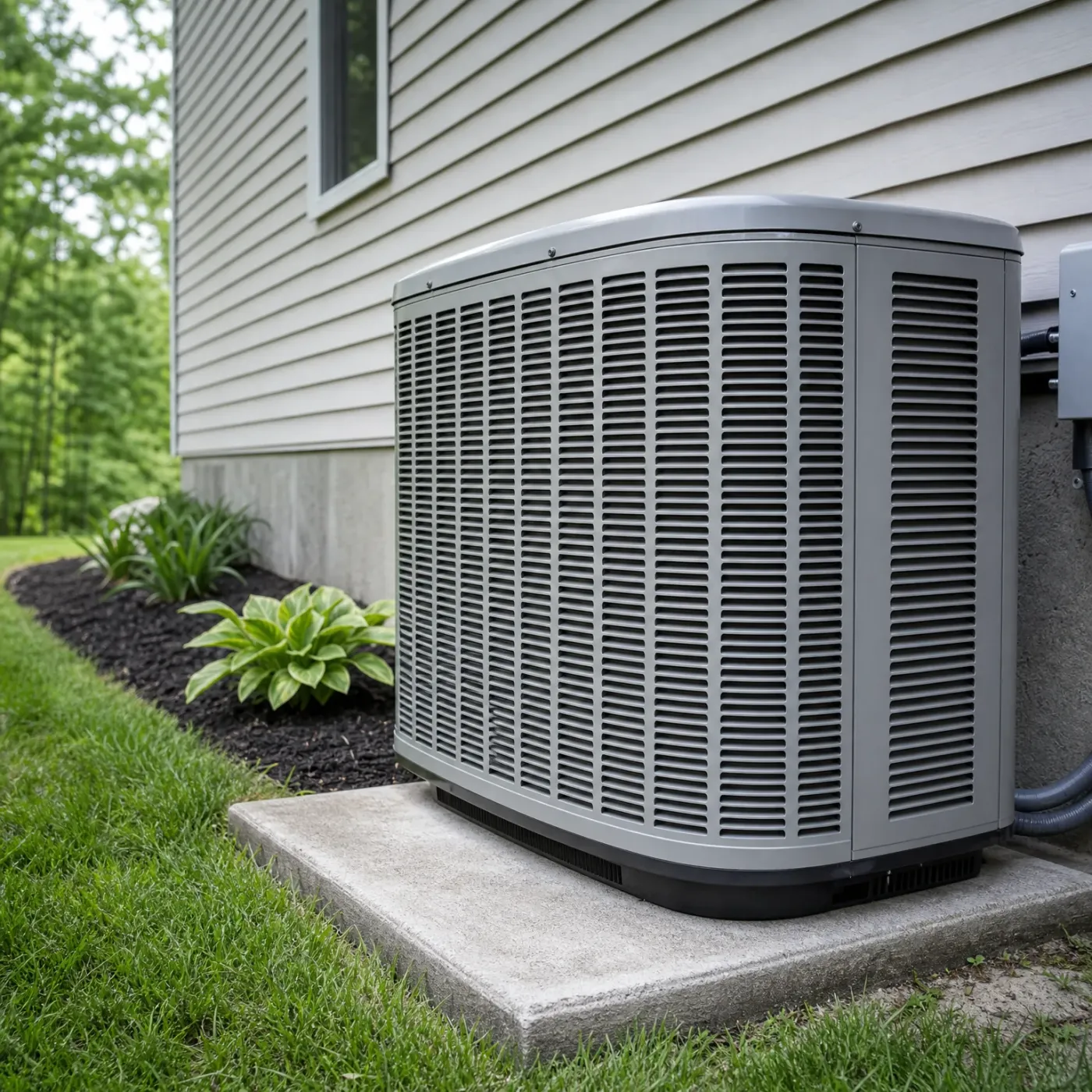
This is what a healthy system looks like, sitting on its pad with the disconnect box wired up and no sign of trouble. If yours still looks like this and holds its charge, there's no reason to touch it yet.
 Skip the calls
Describe the project once instead of to every installer.
R-22 isn't made anymore. If your air conditioner still runs on it and it loses its charge, there's no topping it off cheap. What's left in the supply system is old stock, and it costs far more than the R-410A systems use now. A lot of Colorado homeowners find this out mid-summer, when the unit is low on refrigerant and a repair quote turns into a conversation about replacing the whole system instead.
That's usually the right call once you're at that point. An R-22 unit is old enough that the compressor and coil are working harder than they used to, especially through the dry heat Colorado summers bring. Putting money into a system that runs on a refrigerant no longer produced doesn't hold up the way it once did.
Once you decide to replace it, the next problem is finding someone to do it. You'd normally be calling around to a handful of installers, explaining the same thing each time: the unit's age, the refrigerant, how it's been running, what the house needs. Then waiting on quotes, trying to compare them when they're not even pricing the same equipment or the same scope of work.
This page skips that. You tell it what's going on once, and it goes to a licensed installer in Colorado who works on this kind of swap regularly, R-22 systems being replaced with current units, and knows what that usually involves in homes here. You're not fielding calls from five different companies trying to win the job. One contractor gets your information, already knowing the situation, ready to look at your system and tell you what it needs.
From there it's a matter of getting someone out to look at the unit, the ductwork, and what the house needs for a new system, and getting a straight answer on the job. The button below is where that starts.
R-22 stopped being made in 2020. If your air conditioner was installed before around 2010, there's a good chance it runs on R-22, and that matters the day it develops a leak. The gas itself has to come from old stock now, since none is being produced, and that stock keeps getting smaller and more expensive. A small leak that used to mean a quick recharge now means a repair bill that can rival paying for a new system, especially once the leak is found and the refrigerant has to be replaced again anyway. Colorado summers put real hours on these units, hot and dry from June through September, so a system that's already old gets worked hard right when a refrigerant leak is most likely to show up. Once a compressor or coil fails on an R-22 unit, most homeowners find that replacing the whole system with one that runs on R-410A costs about the same as trying to keep the old one alive, and it comes with a warranty the repair won't.


A low charge means gas got out somewhere, and it has to be found before anything else happens. A technician pressure tests the line set, the coil and every connection along the way, because a recharge without that step just buys a few more weeks before the system runs low again. Once the leak turns up, the real question is whether fixing it makes sense on a unit old enough to run on R-22 in the first place, especially with parts for these systems getting harder to find every year. Some contractors will convert the system to a synthetic blend rather than pure R-22, but that only works if the compressor and the oil in it can actually tolerate the switch. The other path is a new R-410A system, and that usually means the outdoor unit and the indoor coil get replaced together, since the two are matched to run on the same refrigerant. Put a new condenser on an old coil and it will still run, just not at the efficiency or the reliability the new equipment was built for.




One installer gets your project, so there's no bidding war over it.
Describe your air conditioner job once, to one pro.
Sending the form costs nothing.


A compressor built for R-22 runs higher pressures than one built for R-410A. Put the wrong refrigerant through the wrong system and the compressor can fail outright, not just run poorly.
That's why a leaking R-22 system almost always gets recharged with R-22, not switched over. Changing refrigerants means changing the compressor, the coil, and often the line set too.
At 15.69 cents a kilowatt-hour, an R-22 system costs you more every month it keeps running, since those older units need more power to produce the same cooling as a 410A system. Replacing it with a new one cuts that draw, and you'd stop paying old-stock prices to keep the charge topped off.
EIA-861 2025 statewide residential average

This is what a healthy system looks like, sitting on its pad with the disconnect box wired up and no sign of trouble. If yours still looks like this and holds its charge, there's no reason to touch it yet.

Dirt packed into the fins and worn, weathered housing usually mean a unit that's been running hard for years. On an R-22 system, that wear is often what shows up right before the refrigerant lines start losing their charge.

If your air conditioner runs on R-22 and it's holding its charge, leave it alone. If it's leaking, you're choosing between paying old-stock prices to keep it going or putting in a system built for R-410A. Either way, the decision is clearer than it was a page ago.
Finding someone to do that work properly is its own task. You'd normally be calling around, explaining the same leak or the same install to three different companies, then sitting with quotes trying to tell a fair price from a padded one. Converting here skips that. You get matched with one licensed Colorado contractor who installs these systems every summer and knows what an R-22 unit looks like when it's past saving, not a handful of companies competing for your callback.

Only one pro gets your request, so you hear from one company.