
Signs your AC is low on refrigerant in Colorado

RepairCentral ACColorado
Step 1 of 2

What ZIP code is the job in?

What are the signs my AC is low on refrigerant?

Your air conditioner has been running most of the day and the house still isn't cooling down the way it should. Colorado summers put real hours on an AC, and when it can't keep up, low refrigerant is one of the first things worth ruling out. You want to know what to look for before deciding if this is something to call about.

Warm air from the vents, ice on the copper line, and a system that runs for hours without cooling the house

A refrigerant leak shows up as air that comes out of the vents warm or barely cool, even though the system is running. You may also see ice building up on the copper line or the outdoor unit, which happens because the coil gets too cold when there isn't enough refrigerant moving through it. The AC often runs longer than it used to without bringing the house down to the set temperature, and the power bill climbs because it's working harder for less cooling. With hot, dry summers here, a system low on refrigerant struggles more than it would in a milder climate, since it has more heat to remove and less refrigerant to do it with. Refrigerant doesn't get used up on its own, so if the level is low, there's a leak somewhere in the line that needs to be found and sealed before more is added.

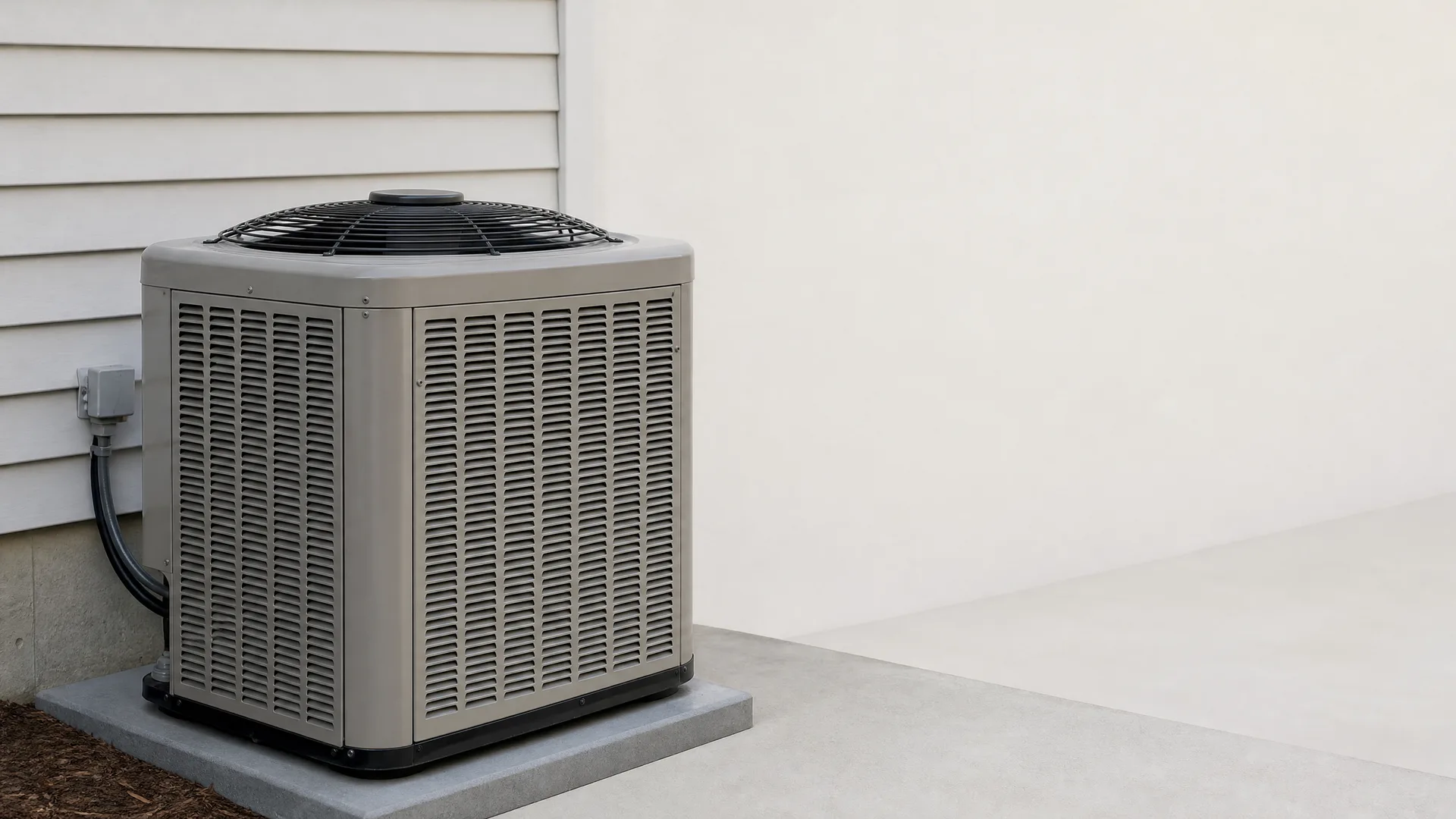
A gray outdoor air conditioning condenser unit on a concrete pad beside a house with horizontal vinyl siding, a brick foundation, downspout, electrical disconnect box, mulch bed and a green shrub.

Running right

A healthy condenser cycles on, cools the house within a reasonable stretch, and shuts off. The coil and fins stay clear, air moves through freely, and the fan pushes heat out the top without strain. This is what normal looks like on a hot Colorado afternoon.


An outdoor air conditioning condenser unit with a dirty mesh coil guard sits on a concrete pad beside a house with horizontal lap siding, a wall vent, and conduit running to an electrical disconnect box.

Working too hard

A coated grille and dirty fins block the airflow the unit needs to release heat. Combined with low refrigerant, the compressor runs longer to do less, pressures run off, and the house stays warm no matter how long it runs. Caked dirt like this is worth a look.

A closed silver laptop and a dark ceramic mug of coffee sit on a wooden table in a dim kitchen, with a window showing a sunset at left and a wall shelf, plant, and stove in the background.

What a slow leak costs you at home

A system low on refrigerant doesn't just cool less, it runs longer trying to get there. You'll notice the upstairs bedrooms stay warm past dark, or the thermostat says 72 but the air coming out of the vent doesn't feel like it. Ice can form on the copper line outside, even in July heat, which tells you the coil inside is running too cold for the airflow it's getting. Left alone, that same leak strains the compressor, the most expensive part in the unit to replace.

Tracking down where a system is leaking refrigerant takes someone with a gauge set and the patience to check every joint and coil, not a guess over the phone. Rather than calling a few numbers off a search page and describing the same symptoms three times, you get matched with one licensed contractor near you in Colorado, someone who works on these condensers all summer and knows which fittings on which brands tend to go first.

Interior corner of a room with a window and sheer curtain at left, a gray upholstered sofa with a cushion at right, and a round wooden table holding stacked books and a round vase with an olive branch.
An outdoor air conditioner condenser unit on a concrete pad beside a house with horizontal lap siding, with an electrical disconnect box and conduit on the wall behind it.

Why the coil frosts over

Refrigerant has to stay at a certain pressure to absorb heat the way it's designed to. When the charge runs low, the pressure drops and the coil gets too cold for the moisture in the air around it. That moisture freezes on the coil instead of draining off as condensation. Once ice builds up, even less heat gets absorbed, so the house gets even less cooling than before the frost started.

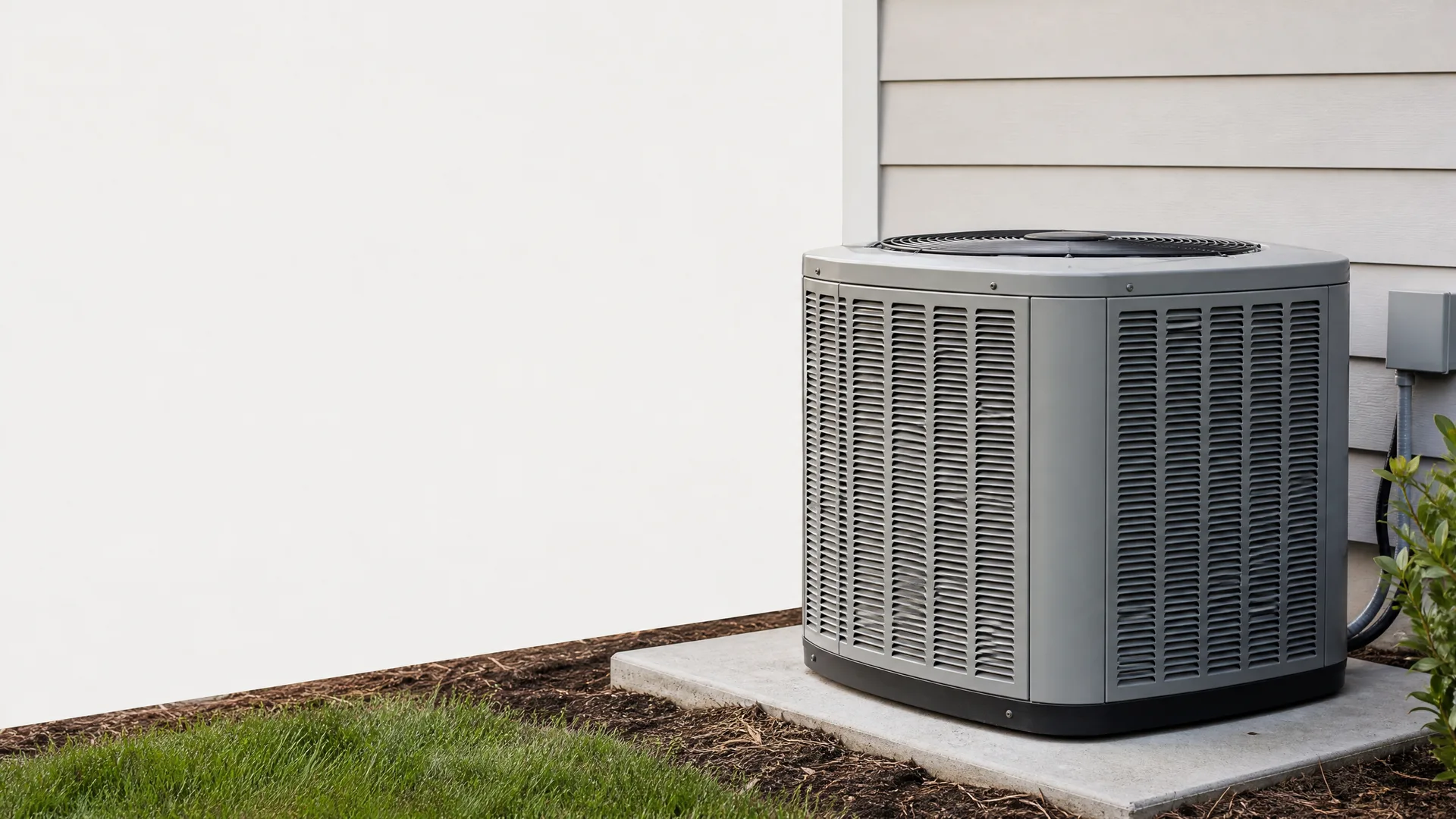
A gray outdoor air conditioner condenser unit sits on a concrete pad beside a house with light horizontal siding and a plain white wall, with mulch, grass, and a small shrub in the foreground.

The sound a leak makes

Refrigerant lines are sealed, so a drop in charge almost always means a leak somewhere in the line set or the coil itself. Some leaks are slow enough that you'll only notice weaker cooling over a few weeks. Others show up as a hissing or bubbling sound near the indoor unit or the line running outside, which is the refrigerant escaping through a small crack or a worn fitting.

Power costs 15.69 cents per kilowatt-hour statewide

That rate applies to every kilowatt your condenser and blower pull while they run long trying to make up for a weak charge. A unit low on refrigerant isn't cooling less for free, it's drawing power the whole extra time it struggles to reach 72.

EIA-861 2025 statewide residential average

A woman with long gray wavy hair in a knit sweater sits on a light sofa with a striped pillow, looking toward a window in a room with wooden shelving and a potted plant.
A woman in a gray cowl-neck sweater stands in a living room with built-in shelves, a lamp, a sofa with cushions, and a bright window behind her, looking to her right.
A woman with long wavy brown hair in a dark blue sweater sits on a sofa with cushions, looking off to the side, with a wooden shelving unit, houseplant and bright window behind her.
A woman with long dark hair in a gray knit sweater sits indoors smiling and looking off to the side, with a window, houseplant, framed picture, and shelving blurred behind her.

Describe it once

A refrigerant leak doesn't fix itself, and running the system low on charge for another week just adds hours to a compressor that's already working harder than it should. Finding out where the leak is and getting it sealed and recharged takes someone who carries gauges and knows how to find a leak in a line set, not someone you find by calling four or five companies and repeating the same description of warm bedrooms and a frosted coil to each one. A local contractor who services AC systems through Colorado summers has seen this same pattern on plenty of other units on plenty of other hot afternoons. Send the request once and it goes to one contractor who takes it from there, so you're not sorting through competing quotes while the house stays warm.

What Low Refrigerant Looks Like

  • Warm air from the vents, a coil you can see frosting over, and hissing near the outdoor unit all point to low refrigerant.
  • An AC that runs for hours without the house reaching 72 is working against a weak charge, not just a hot day.
  • Ice on the coil blocks airflow further, so the system struggles even more once frost sets in.
  • Refrigerant doesn't get used up, so a low charge means a leak somewhere in the lines or coil.
  • A system that short cycles or won't shut off is spending more hours drawing power than it should.
  • None of these signs go away on their own, and the charge only drops further while the leak stays open.

Put together, the signs point the same direction. Warm air at the vents when the thermostat says it should be cold. A coil under a layer of frost. A hissing sound near the outdoor unit that wasn't there before. An AC that runs and runs without the house catching up to 72, even on a day that isn't unusually hot for here. Ice building up on the coil, which then blocks the airflow the system needs and makes the whole problem worse. A unit that short cycles or barely shuts off, pulling power the whole time it struggles.

None of this points to a system that's just tired from a long Colorado summer. Refrigerant is sealed in the lines and the coil, and it doesn't run low from use the way fuel does. If the charge has dropped, it's because it found a way out, a crack in a line or a pinhole in the coil, and that opening doesn't close itself. The charge keeps dropping, slowly or fast, until someone finds where it's leaking and seals it.

That's the part worth knowing as you look at your own system against this list. One sign might be nothing. Warm air and a frosted coil and a system that won't shut off, together, are a low charge telling you where it stands. The leak stays open until it's found, and the system keeps working harder in the meantime.

A woman and a child with closed eyes sit wrapped together in a cream knitted blanket on a couch, with a lit lamp and shelves blurred in the background.
A smiling older woman with short light hair in a beige knit sweater sits in a dimly lit kitchen beside a window at night, with a round loaf of bread on a wooden board in the foreground.

No phone calls to make

A leak has to be found, sealed, and the system recharged to the right pressure. That's not a job for guesswork, and it's not one you want three different companies bidding on over the phone. A local contractor who works on Colorado AC units all summer can trace the leak, make the repair, and get the charge back to where it belongs. Submit your request once and talk to that one contractor, not a round of calls and quotes.

Skip the calls

Only one pro gets your request, so you hear from one company.

Asking costs nothing, and the choice to hire stays yours.