Running the way it should
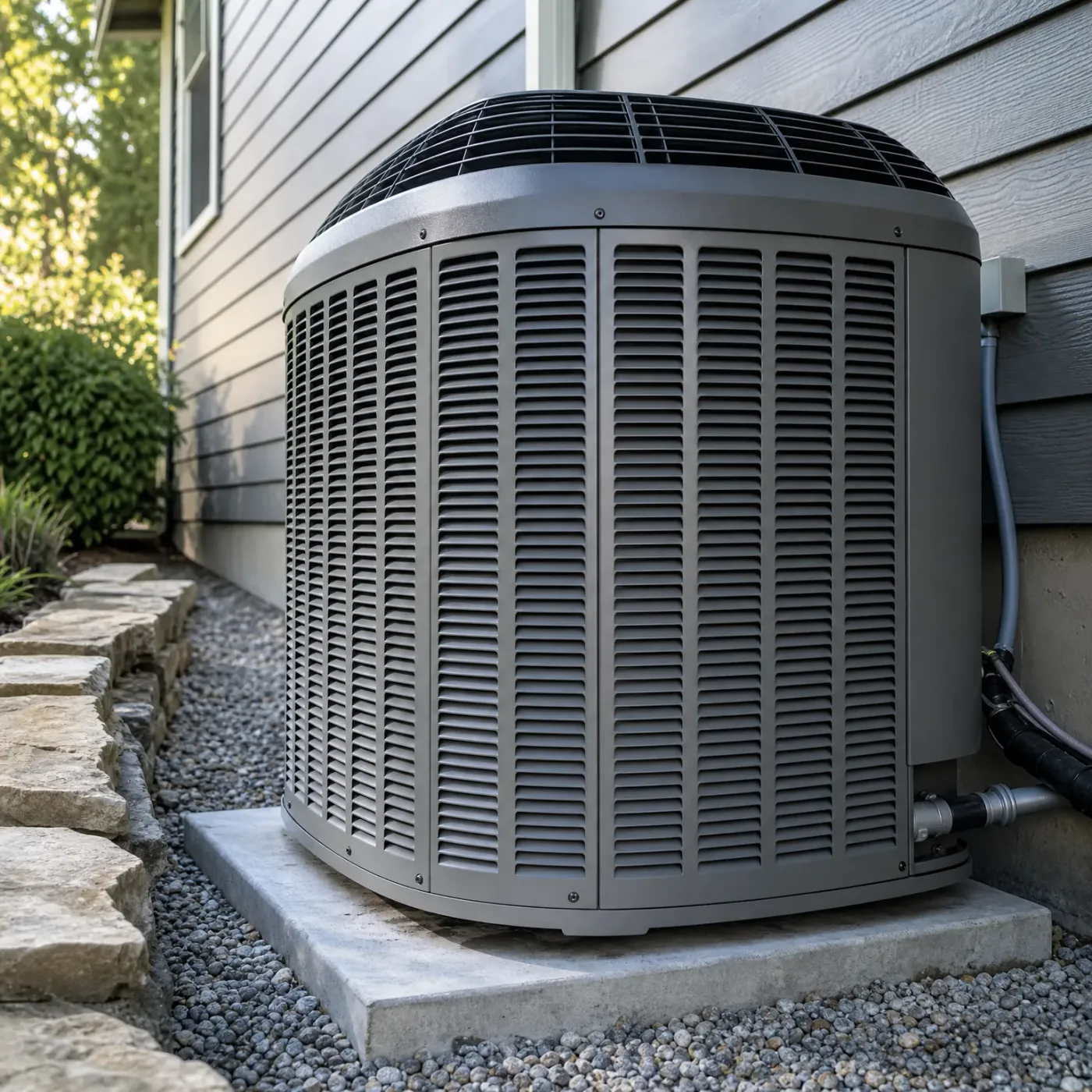
A condenser like this is doing its job: level on the pad, lines wrapped and intact, the disconnect box clean and easy to reach. Nothing pooling underneath, nothing rattling when it kicks on.
 Connect with a pro
A local installer who puts in air conditioners gets your project.
A central air conditioner in Colorado usually runs 12 to 15 years before it needs to be replaced rather than repaired. Dry heat and low humidity here are easier on the system than what units face in more humid states, since the coil and compressor aren't working as hard to pull moisture out of the air. Summers are hot, but they're not long compared to other parts of the country, and that matters for how many hours the compressor actually logs each year.
Where your unit falls in that range depends on things specific to your home. Whether it's been serviced on a regular schedule, how it was sized for your house when it went in, and whether it's dealt with any dust or debris around the outdoor unit all push that number up or down.
If your system came with the house, you may not know its age or its history. A contractor who looks at the actual unit, the model number, and how it's been running can tell you whether you're closer to the start of that range or the end of it, and what condition it's really in.
That's a different question than how long air conditioners last in general. It's about your air conditioner, in your house, right now. Once you answer it, you know whether you're planning for a replacement or just keeping up with the one you have.
Getting that answer doesn't have to mean a lot of calls or research on your end. Share a few details about your home and your system, and a contractor who works on units like yours in your area will reach out to go over what they find and what your options look like. The part that's been sitting on your to-do list, figuring out where your AC actually stands, becomes someone else's job the moment you send it.
A central air conditioner in Colorado usually lasts 12 to 15 years. The dry climate here helps with that. Coils and compressors in humid states work harder year-round because the air itself holds more moisture for the system to fight, and that wear adds up over time. Here the summers are hot but dry, so the system isn't carrying that extra load every time it runs. What shortens the life of a unit is usually something else: a refrigerant leak that went unnoticed, a compressor running low on charge for too long, or a system that never got its yearly service. A unit that's 14 or 15 years old and still cooling fine may still be worth keeping, but if it's starting to run longer cycles or struggling on the hottest days, that's the system telling you it's near the end. At that point, replacement usually makes more sense than another repair bill.


The compressor is the part that matters most. It pumps refrigerant through the coils, and when it fails, that's usually the end of the system rather than a repair. Outside, the condenser works hardest on your hottest, driest afternoons, pushing heat into air that's already warm. Between the condenser and the indoor coil run the refrigerant lines, and a slow leak there puts strain on the compressor well before you'd notice anything wrong. Colorado's dry air carries dust and grit that settle into the condenser fins faster than most owners expect, and once those fins are blocked, the unit can't shed heat the way it needs to. Inside the cabinet, a small part called the capacitor gives the compressor and fan motor the jolt they need to start up. When it weakens, the system labors every time it cycles on. Even the thermostat plays a part. It only tells the system when to run, but a failing one can make it cycle more often than it should, and that adds up over the years.




Send the form and the search for an installer is over.
Get in touch with a local installer about a new air conditioner.
There's no charge for the request.

A condenser like this is doing its job: level on the pad, lines wrapped and intact, the disconnect box clean and easy to reach. Nothing pooling underneath, nothing rattling when it kicks on.

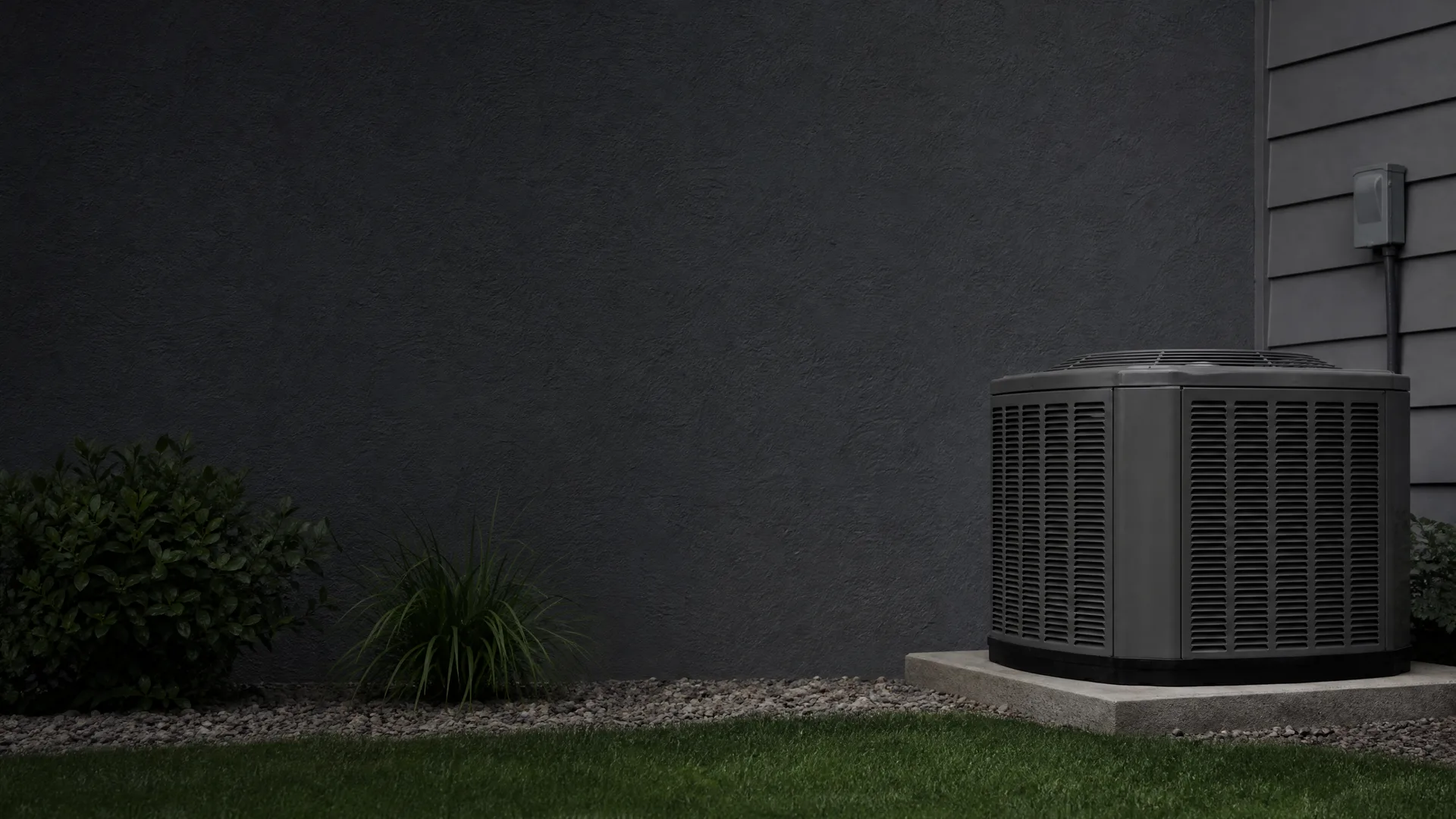
Weathering on the cabinet, lines running low along the foundation instead of up the wall, the paint dulled from years of sun. None of this stops the unit from running, but it's the look of a system getting close to the end of its 12 to 15 years.


At 15.69 cents per kilowatt-hour, an aging condenser that's lost some of its efficiency costs you more to run every time it cycles on. A system near the end of its 12 to 15 years often draws more power to do the same job it used to do easily.
EIA-861 2025 statewide residential average
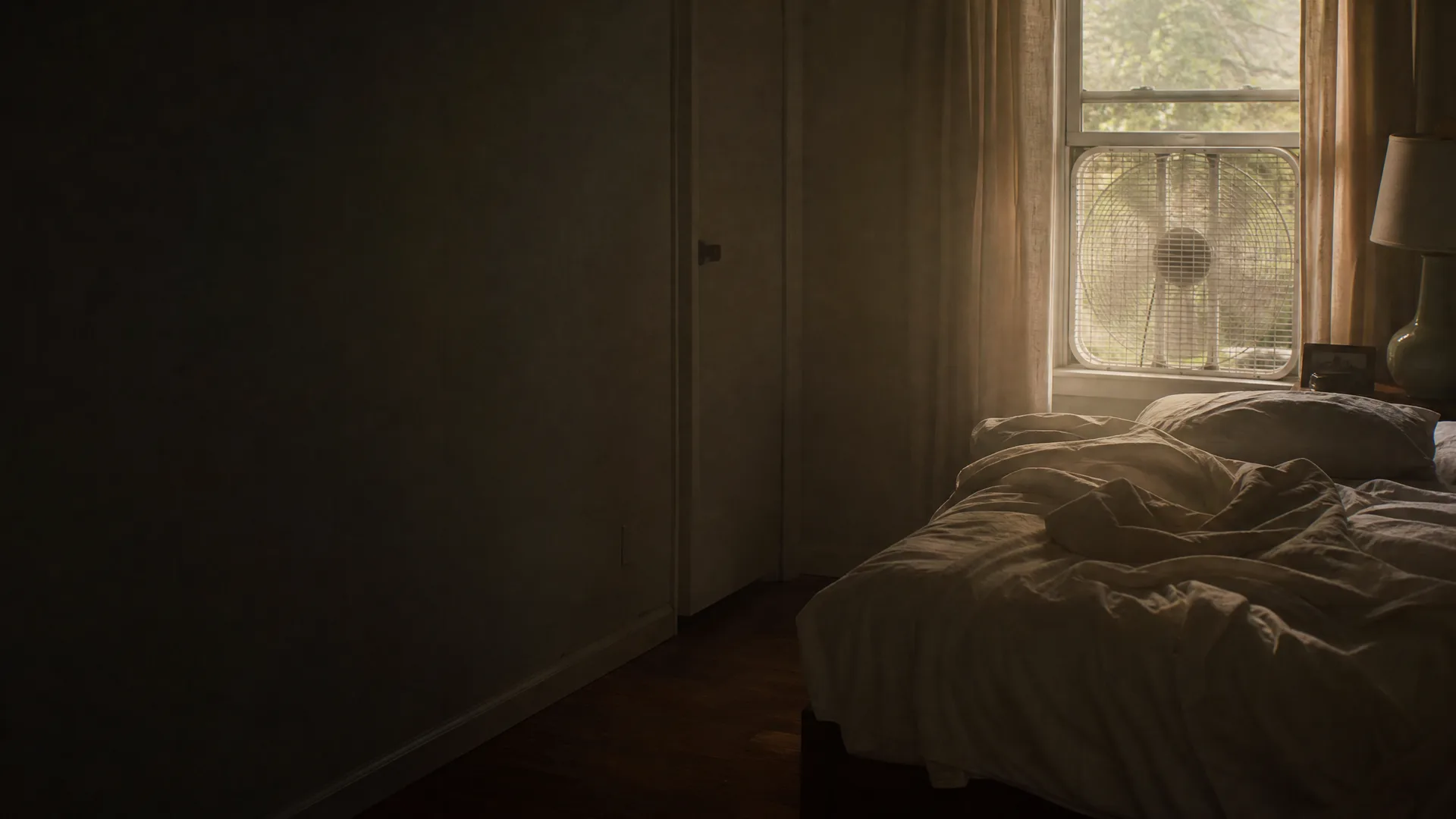
The box fan has been running since you got home, pushing the same hot air around instead of cooling anything. It's past eight and still bright out, the sun low and orange through the window screen. The room holds the heat from the whole day, dry and heavy, the kind of heat that doesn't break once the sun goes down out here. Downstairs the thermostat says 74. Up here it's closer to 85. You've stopped trying to sleep under the sheet and just lie on top of it, waiting for the fan to do something it can't do. Somewhere below, the condenser kicks on again, runs a while, and shuts off without ever catching up.

You've seen what a condenser looks like when it's still doing its job and what it looks like when it isn't. In Colorado, 12 to 15 years is the window. Where your system falls in that window, and whether the dry heat has been kind to it or it's showing rust and short cycles already, is something you can check against what's sitting outside your house right now.
If what you found matches the signs of a system near the end, the next step isn't figuring out which contractor to call or waiting on hold to get a quote. It's handing the problem to someone who installs these systems in Colorado homes and letting them reach out to you about what your house actually needs. That part stops being yours to carry once you send the form.

Send the form and stop researching installers for the new air conditioner.