
Mini split light blinking in Castle Rock, CO

Explain the mini split problem once instead of to every shop in Douglas County.

Answer a few questions

A blinking light on your mini split is the system talking to you in code. Most brands use a number of flashes or a pattern of colors to point to one thing: a frozen coil, a clogged filter, a drain line backing up, or a sensor fault. The exact meaning depends on your brand, since LG, Mitsubishi, Fujitsu and others each use their own pattern, and the manual that came with your unit will have a chart for it. Here in Castle Rock, the two most common causes are low refrigerant from a slow leak and a filter so dirty that airflow across the coil drops enough to freeze it, especially after a stretch of hard winter use or a hot, dry summer running the unit nonstop. Clearing the code yourself might buy time, but the blink is a symptom, not the problem. Figuring out which fault it's reporting and fixing the actual cause takes someone who works on these systems and knows what that pattern means for your model.

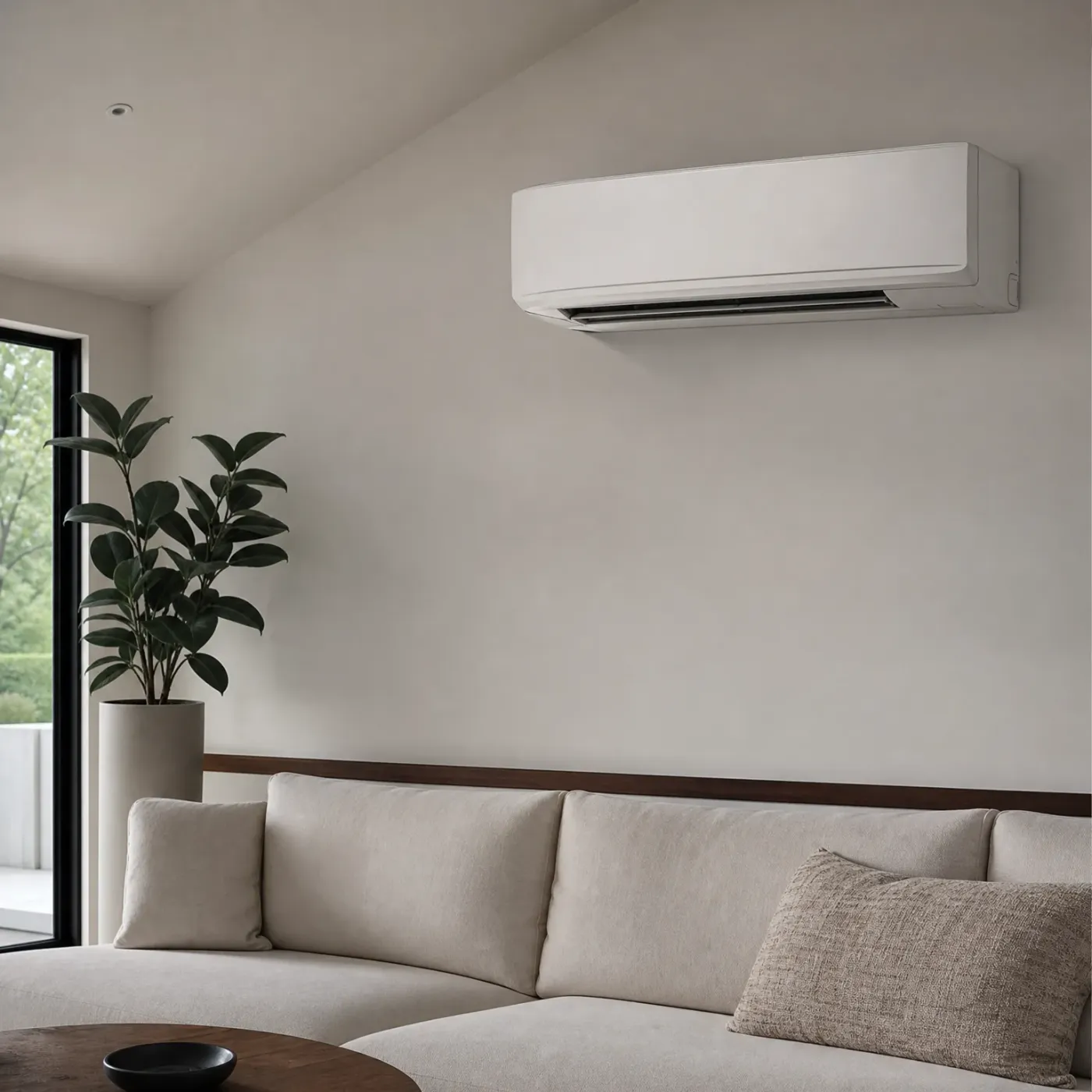
A white wall-mounted mini-split air conditioner near the ceiling of a room with light gray walls, white crown molding, and a beige curtain at the left edge.

Running the way it should

A steady light with no flashing means the system is reading itself as normal. Air comes out at the temperature you set, the wall around the unit stays clean, and the light pattern doesn't change when the unit cycles on and off through a hot Castle Rock afternoon.


A dusty beige wall-mounted mini-split air conditioner indoor unit installed high on a plain light-colored wall below the ceiling.

Blinking and ignored

Dust builds up across the housing and grime collects in the vents because the filter isn't catching what it should. Staining spreads on the wall above the unit, usually from a drain line that's backed up and sending condensation somewhere it shouldn't go. The blinking light was the first sign of this, weeks earlier.

Why does my mini split work this hard in Castle Rock?

  • Cooling runs July through July

    Cooling runs July through July. One month of real heat load means a blinking light in July often means the system is straining right when it matters most.

  • Heat runs September through May

    Heat runs September through May. Your mini split carries the load most of the year here, so a fault code in that stretch is worth catching early.

  • Power here costs 15.79 cents per kilowatt-hour

    Power here costs 15.79 cents per kilowatt-hour. A unit blinking a fault and running inefficiently adds up fast at that rate until the problem is fixed.

NOAA nClimDiv 1991-2020 · EIA-861 2025

Why the code varies by brand

Mitsubishi, Daikin, LG and the other makers each built their own fault code system, so the same two flashes that mean a sensor problem on one brand can mean a drain issue on another. The indoor unit's manual has the chart, usually a page near the back titled something like error codes or self-diagnosis. If you no longer have the manual, the model number is on a sticker inside the front cover of the indoor unit, and that's enough for a contractor to look up the exact pattern before they ever come out. Guessing the code without that chart just wastes a trip.

What the light can't tell you

The blink count narrows down which system failed, not why it failed. Two flashes might mean a float switch tripped because the drain line is clogged, or because the condensate pump died, or because the line was never pitched right when it was installed. A contractor who works on mini splits through a Castle Rock winter and summer has likely seen all three causes behind the same code on the same model, and knows which one to check first. That's the part the blinking light can't do for you: it can point at the system, but it can't open it up.

A gray-haired bearded man in a dark green sweater sits on a light gray sofa in a sunlit living room with a potted plant, framed picture, and dark shelving in the background.
A man in a dark green sweater sits on a light grey sofa in a sunlit living room, looking to his left, with a shelving unit, houseplants, framed art and a large window behind him.
A man with greying hair and a beard in an olive sweater sits on a sofa in a living room, looking to his left, with an armchair, round side table and large glass doors onto trees behind him.
A middle-aged man with grey hair and a beard, wearing a grey knit sweater, sits on a light sofa in a sunlit living room with a houseplant, wooden cabinet and framed landscape picture behind him.

How the blinking light works

  • The indoor unit reads its sensors and the outdoor compressor every few seconds, and a fault trips the light instead of shutting the system down silently.
  • A blinking light almost always means the control board caught something out of range, like a coil temperature sensor or a pressure switch.
  • Most units separate the code into a count of flashes followed by a pause, then repeat the same count, not one continuous pattern.
  • Some brands add a second color or a slow pulse to distinguish a minor issue, like a dirty filter, from one that stops the compressor outright.
  • The board stores the last fault in memory, so a tech can pull the code even after the light has stopped blinking.
  • A code tied to the outdoor unit usually means the compressor protected itself, which is a different repair than a code tied to the indoor coil or drain pan.

The indoor unit is checking itself constantly. It reads the coil temperature, the refrigerant pressure, the drain float, and what the outdoor compressor is doing, and it does this every few seconds while it runs. When one of those readings falls outside what the board expects, it doesn't just shut off and leave you guessing. It blinks a code. That code is a count, not a glow. Count the flashes between pauses, and that number or pattern points to a specific part or sensor the board flagged. Some brands add a second color, amber next to red, or slow the pulse down, so you can tell a dirty filter from a failed compressor at a glance before a tech ever shows up. The board also keeps the last fault in its memory. That matters because a system can throw a code, trip a lockout, and then reset itself enough to stop blinking, but the record is still there for whoever opens the panel. Where the code points to matters too. A fault tied to the outdoor unit usually means the compressor protected itself from a pressure or temperature problem, and that's a different repair than a code tied to the indoor coil icing over or the drain pan filling up. Knowing which half of the system threw the code is most of the diagnosis before a tool ever comes out.

A white wall-mounted mini-split air conditioner on a beige interior wall, with a curtained window on the left and wood flooring with a light rug below.
The light blinks, but the room still cools evenly and the wall stays clean around the unit.
A white wall-mounted mini-split air conditioner indoor unit installed near the ceiling on a plain light-colored wall, with its horizontal outlet vent and louvers visible.
Dust has built up across the casing and vents, and that buildup is often what trips the code in the first place.
  1. The indoor unit's sensors detect a reading outside its normal range.

  2. The control board compares that reading against its fault thresholds.

  3. The board assigns the problem a specific code number.

  4. The light flashes that code's pattern on a short loop.

A dusty, discolored wall-mounted mini-split air conditioner indoor unit on a plain white wall, with its horizontal louvers and vent grille visible.
Before you get your mini split repair
A white wall-mounted mini-split air conditioner on a beige interior wall, next to a window with sheer white curtains and green foliage outside.
After you get your mini split repair
A white wall-mounted mini-split air conditioner near the sloped ceiling of a living room with a light sectional sofa, cushions, a potted plant, and a window showing greenery.

Skip the calls to every shop

A licensed pro who repairs mini splits in Douglas County gets your request.

Skip calling shops to ask who repairs mini splits in Douglas County.

Describe it once

You only hire the pro if you want to.

What are you noticing about your mini split right now

You probably came looking because the light won't stop flashing, and the room temperature doesn't match what you set anymore. Maybe the air coming out feels warm when it should be cold, or weak when it used to have some push behind it. You might hear the unit cycling on and off more than usual, or notice water pooling near the indoor unit when there never was any before. Some homeowners catch a musty smell from the vents, or frost building on the coil they can see through the grille. Left alone, a coil that keeps icing over or a drain line that keeps backing up can mean water damage to the wall or floor below the unit, and a compressor that keeps tripping faults can wear out sooner than it should.

A white wall-mounted mini-split indoor unit installed high on a gray interior wall, with a sofa, dark table and window visible in an adjoining room to the right.

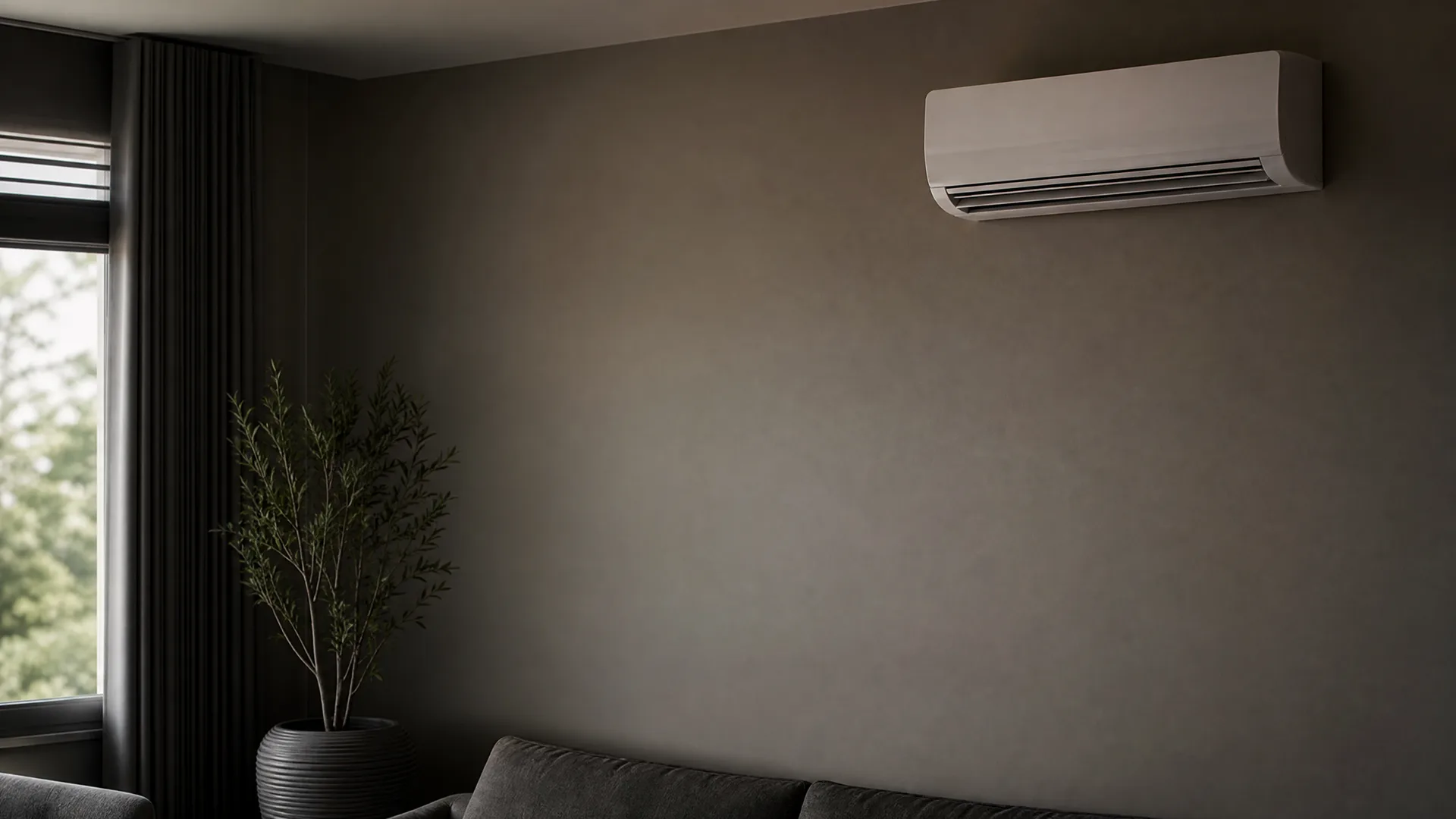
A clean casing, a quiet pattern

The unit sits high on the wall, white casing clear, vents open. The living room behind it stays comfortable, the sofa and coffee table untouched by any draft or drip. Whatever the light is doing, nothing around the unit shows strain.

A wall-mounted mini-split air conditioner indoor unit with a dusty beige casing and dark louvered vent, installed near the ceiling on a plain beige wall.

Yellowed casing, dust on the vents

Near the ceiling, the casing has gone yellow and dust sits thick across the louvers. Air moving through that buildup works harder than it should, and a mini split in this shape is the kind that starts flashing a code worth having someone look at.

A woman with shoulder-length brown hair, wearing a beige knit cardigan, white top and a small gold pendant necklace, sits in a light upholstered armchair and looks toward a window with green foliage outside; shelves with framed photos are behind her.
A woman with her hair in a bun holds a sleeping child, both wrapped in a cream knitted blanket on a gray sofa, with a lit lamp, framed photos, and a window behind them.

Waiting it out on your own

You pull up the manual, count the flashes, and search the model number online hoping someone else had the same code. Maybe it points to a clogged filter you can pull and rinse yourself. But if the pattern means a low charge or a failed sensor, there's no fix for that without gauges and training, and the unit keeps cycling on that fault until someone with the right tools gets into it. Meantime you're calling around Castle Rock asking who even works on your brand, explaining the flash pattern over and over to whoever picks up.

Getting a straight answer

A contractor who works on mini splits all year in Douglas County has seen your brand's code before, in a house not far from yours, in weather like this. They know whether that pattern usually means a coil icing up or a drain line backed up before they even open the unit. You explain the problem once, to one licensed local contractor, and they come with the gauges and the parts knowledge to read the fault correctly instead of guessing at it from a forum post.

Cooling runs July through July

July is the one month your mini split has to earn its keep here. The rest of the year it idles, so a blinking light that shows up in July is the system straining under the only real load it sees all year, right when you need it working.

NOAA nClimDiv 1991-2020

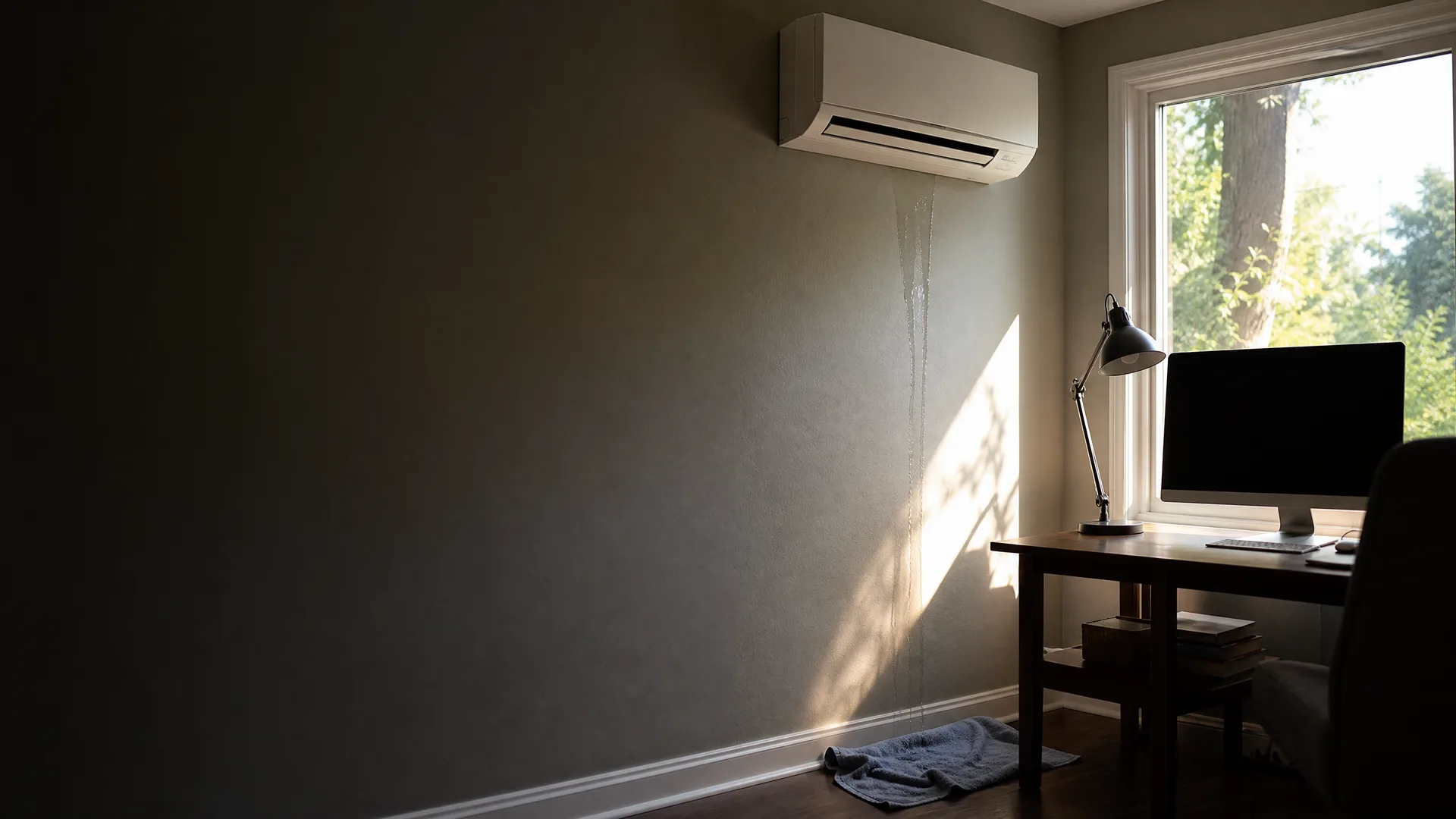
A wall-mounted mini-split air conditioner leaking water down a dim gray wall onto a towel on the floor, beside a window with a desk, lamp and monitor.

It's a July afternoon and you're at your desk in the home office, trying to work through the heat. You notice the wall first, a dark streak running down from the mini split unit toward the baseboard. You already put a towel down under it, and it's soaked through. The light on the unit keeps blinking the same pattern it has all day. The air coming out doesn't feel as cold as it should. You check the towel again, wring it out, set it back down, and go back to your desk, glancing up every few minutes to see if the streak has gotten any longer.

A closed laptop and a stoneware mug on a wooden table, with a kitchen counter, wood cabinets, white tile backsplash, potted plants and a window behind.

A blinking light means something specific. Find out what.

The code on your mini split points to one cause, not a guess. A frozen coil, a clogged filter, a bad drain, a sensor out of range. Someone who works on these units in Castle Rock every summer can read that pattern in the time it takes to look at it, then confirm it against the unit itself before touching anything.

You could spend an afternoon pulling up the manual, counting flashes, and searching the model number hoping the forum answer fits your unit. Or you could skip the search entirely. A licensed local contractor gets matched to you directly, so you explain the problem once, to one person, and that person already knows what tends to fail on these systems after a Colorado summer.

A shallow dark wooden bowl and a stack of books rest on a wooden table in front of a beige sofa with linen and green cushions, with a tall ceramic vase of thin branches beside a window in the background.
A white wall-mounted mini-split air conditioner high on a dim gray interior wall, with a potted thin-leaved plant, dark curtains and a window at left and a dark sofa at bottom.

Skip calling around

The pro who gets in touch is licensed in Colorado and works in Douglas County.

RepairMini-splitDouglas County, CO
Step 1 of 2

What ZIP code is the job in?