





Is a high-efficiency AC worth it in Colorado

A local installer who puts in air conditioners gets your project.

Request a pro

Is a high-efficiency AC worth it in Colorado?

Colorado summers get hot, but the air is dry, and your AC doesn't run nearly as many months as it would somewhere humid. Before you pay more for a high-efficiency unit, you want to know if it actually pencils out here, or if you'd be buying a SEER2 number that never gets the chance to matter.

It depends on how long you plan to keep the house

A high-efficiency air conditioner saves the most money where the compressor runs long hours for months at a time. In Colorado, summers are hot but short, and most homes here heat with gas, so the AC isn't carrying the load the rest of the year the way a furnace or heat pump would. Power here runs at a typical price too, which narrows the gap further. If you're staying put for a decade or more, the higher SEER2 unit still earns back more of its added cost over that time. If you expect to move in a few years, a mid-efficiency system does the job for less money up front, and you won't be the one collecting the savings anyway.

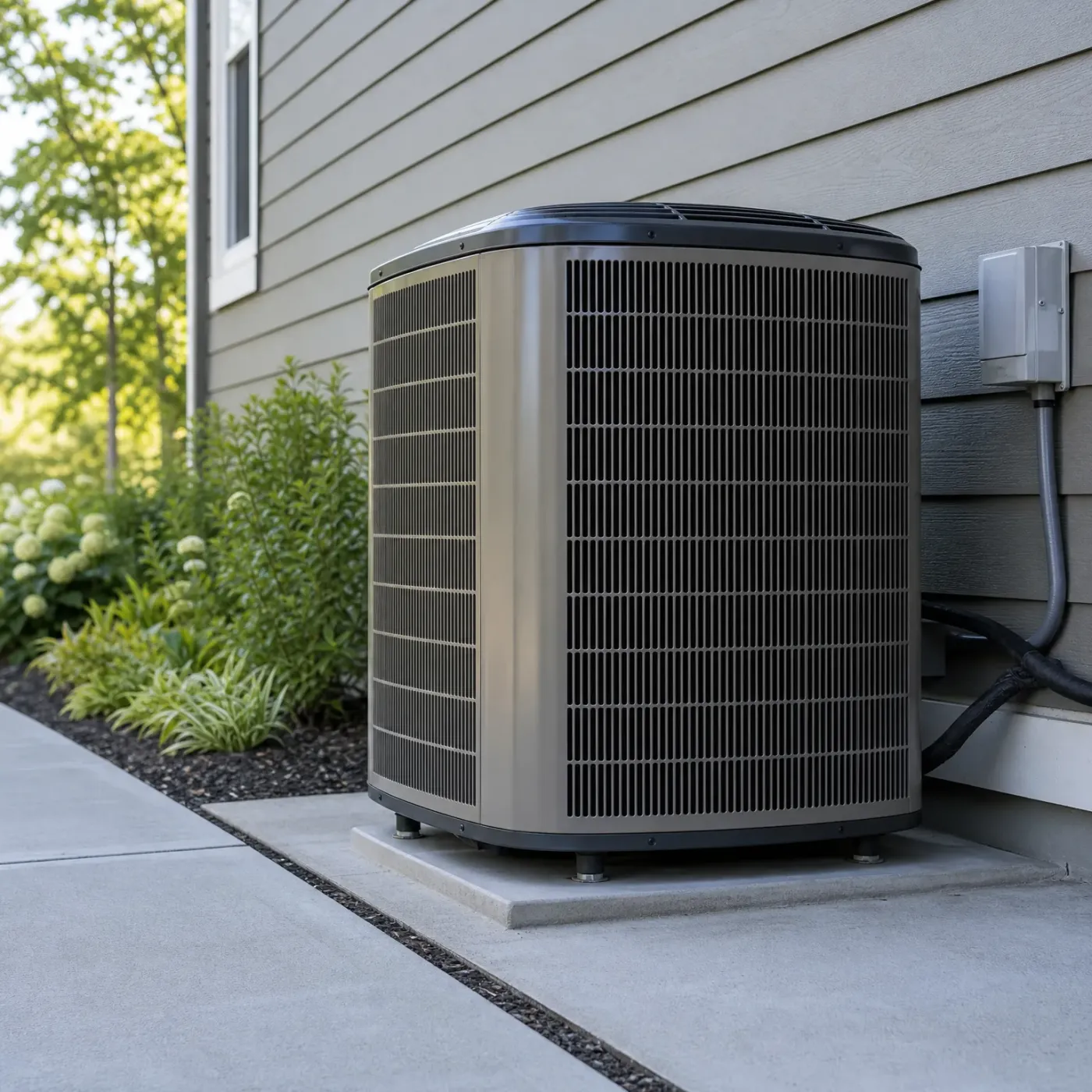
An outdoor air conditioner condenser unit on a concrete pad beside a house with light horizontal siding, with a small electrical disconnect box on the wall, mulch and shrubs at left, and a plain white wall and concrete slab at right.

Dry heat changes the math

A high-efficiency air conditioner earns its keep by running long hours against hard loads. Dry air doesn't ask as much of the compressor as humid air does, since there's less moisture for the coil to pull out along with the heat. The unit still cools the house, but it isn't working as hard to do it, which is the condition where a higher SEER2 rating pays back slower than it would in a muggy climate.

A dark gray outdoor air conditioner condenser unit on a concrete pad beside a house with horizontal siding and a plain light wall, with mulch and grass in the foreground and a conduit and electrical box on the wall.

Most of the load is heating

Gas heats most homes here, so the furnace carries the hard months and the AC picks up a shorter stretch. A two-stage or variable-speed compressor shows its value on long, steady runtimes, and a Colorado summer gives it fewer of those than a Gulf Coast or Midwest summer would. That doesn't make the upgrade pointless, it just means the case for it rests more on comfort and equipment life than on a big swing in the power bill.

A man in a dark blue shirt stands in an open front doorway of a stucco and wood-clad house, facing a blond woman seen from behind in the foreground on a stone walkway.

What a high-efficiency unit changes in your house

Think about how your AC actually runs here. A handful of hot weeks in July and August, maybe some warm stretches in June and September, and the rest of the year it sits idle. A higher SEER2 rating saves you the most on the hours it runs hardest, and in a dry climate those hours are fewer than they'd be in a humid one. You'll still see a lower bill in the hottest months. You won't see the same payback a homeowner gets in a place where the unit runs from May through October.

Where the upgrade matters more is the unit itself and whether it's sized and installed right for your house, since gas heat here means the AC is doing one job without having to double as part of a heat pump system. A contractor who installs in your area knows how local houses are ducted and sized, and what tends to go wrong when a unit's oversized for a dry climate. Getting matched with one licensed, local installer means someone who can look at your actual house and tell you where the efficiency gain is real and where it isn't.

A wooden table holding a stone vase with a bare branch, two stacked books and a small dark bowl, beside a window with green foliage outside and a sofa in the dim background.
A gray outdoor air conditioner condenser unit on a concrete pad beside a house with dark horizontal siding and a stone base, surrounded by gravel, with a flowering shrub at left and a concrete walkway in front.

A unit sized right for dry heat

This is a standard-efficiency condenser doing fine against a Colorado summer. Dry air means less load on the compressor, so a unit like this can keep up through July and August without strain. For a lot of houses here, that's the whole job.


An outdoor air conditioner condenser unit sits on a concrete pad beside a stucco wall, with refrigerant lines and conduit running to the wall and a shrub to the left.

A unit working harder than it should

Grime on the fins and years of weather make any condenser work harder, high-efficiency or not. If yours looks like this, a contractor who services these year-round can tell you whether it needs cleaning, a repair, or if replacing it with a higher SEER2 unit is worth the cost here.

An outdoor air conditioner condenser unit sits on a gray pad beside a light vinyl-sided wall, on a concrete slab next to a gravel bed.
Before you get your air conditioner installation
A gray outdoor air conditioner condenser unit on a concrete pad beside a house with horizontal lap siding, with a wall-mounted disconnect box and conduit, mulch bed, shrub, and lawn nearby.
After you get your air conditioner installation
An outdoor air conditioning condenser unit on a concrete pad beside a house with horizontal lap siding, with a gray electrical disconnect box and conduit on the wall and green shrubs and trees to the left.

An air conditioner pro near you

One installer gets your project, so there's no bidding war over it.

Get in touch with a local installer about a new air conditioner.

Get one local pro

No fee to send it, and nothing to sign.

Is your old AC still worth running as is

Check what your current unit is doing on the hot July afternoons. Short cycles, long runtimes that never seem to catch up, a condenser that sounds louder than it used to, rooms upstairs that stay warm after the thermostat says it's satisfied. Dust around the vents or a system that runs most of the afternoon to hold 75 are signs it's working harder than it should for a dry climate. None of this means the unit is unsafe. It means it's spending more power than a unit sized and rated for Colorado's summers would, and that gap shows up on your bill every July and August whether you address it or not.

A gray outdoor air conditioner condenser unit sits on a concrete pad beside a house with horizontal lap siding, with conduit and an electrical disconnect box on the wall, dark mulch and a shrub to the left, and a concrete walkway in the foreground.

Running the way it should

This condenser is keeping up without a fight. The lines are intact, the disconnect is clean, and the pad underneath hasn't shifted. In dry heat like Colorado gets, a unit in this shape can carry you through July and August with no trouble at all.

An outdoor air conditioning condenser unit on a concrete pad beside a house with horizontal lap siding, with a shrub and mulch bed to the left and conduit and a small electrical box on the wall to the right.

Carrying more than it should

Dirt packed into the grilles makes the fan work harder to pull air through, and a unit this dirty runs longer than it needs to just to keep a house cool. If yours looks like this heading into summer, it's worth finding out whether a new install would run easier than this one still can.

An older woman with gray hair in a cream knit sweater sits under a blanket on a sofa by a window, looking outside toward yellow-leaved trees, with a lamp, shelves and an armchair in the room behind her.
A gray-haired woman in a chunky knit sweater sits in an armchair with a blanket, looking out a window at yellow autumn foliage, with bookshelves and a potted plant behind her.
A gray-haired woman in a navy sweater sits in an armchair with a knit blanket beside a window, looking out at yellow autumn foliage, with a dining table and houseplant in the room behind her.
A gray-haired woman in a gray cowl-neck sweater sits in an armchair with a blanket, looking out a dark-framed window toward yellow autumn trees.

Standard-efficiency replacement

A straightforward swap, sized for your house and Colorado's dry heat. Lower cost upfront, and plenty of unit for a season that's mostly mild with a few hot stretches.

Get matched

High-efficiency replacement

Costs more to install, but a higher SEER2 rating lowers what you pay to run it. Worth weighing against how many hours your AC actually puts in here.

Get matched
A woman in a cream knit sweater sits in an armchair with her eyes closed and head tilted back, beside a window showing orange autumn foliage and a wooden side table with a mug.
A gray-haired man in a blue quarter-zip sweater sits in an armchair with his eyes closed, beside a large window with bare trees outside and a potted plant and lamp nearby.
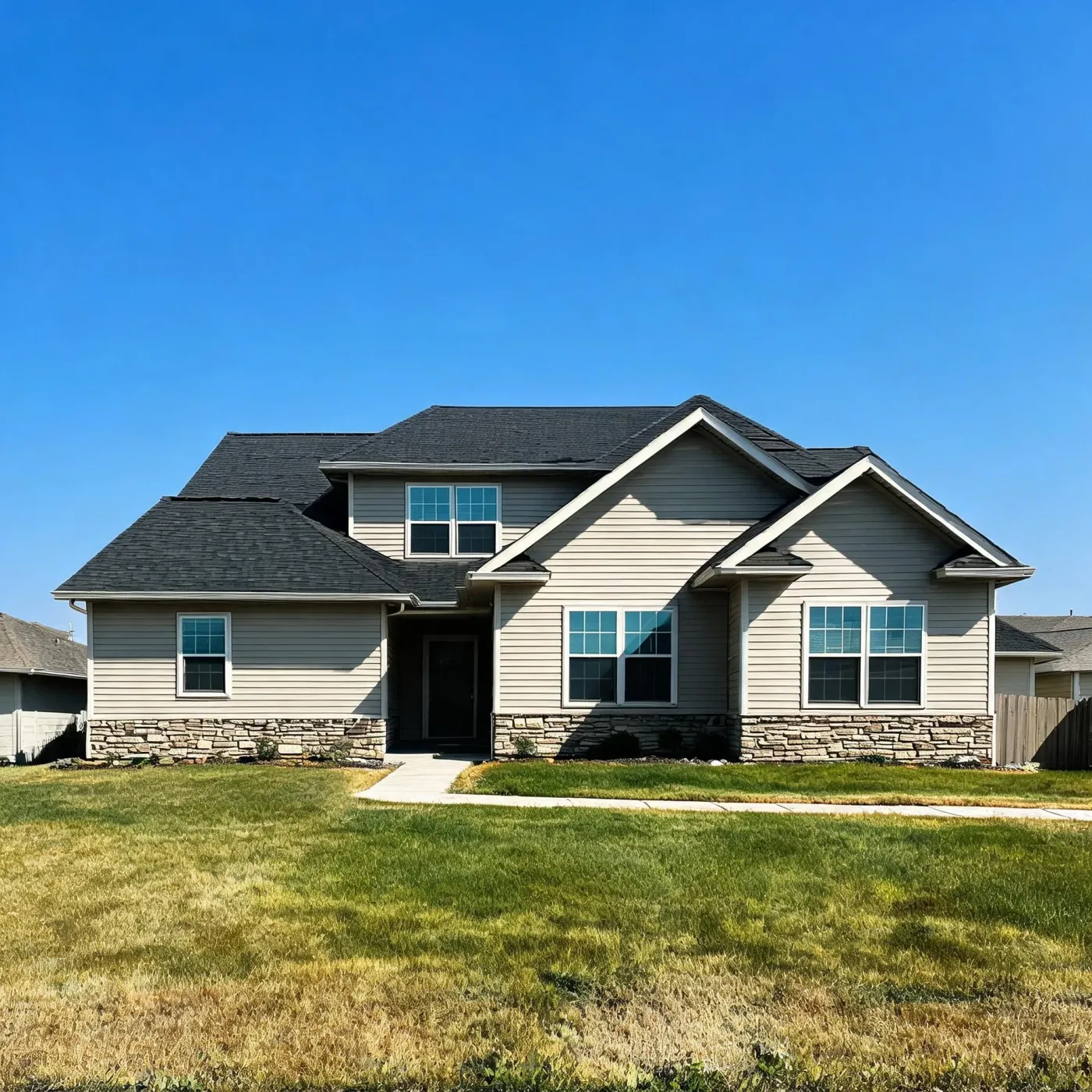
A two-story house with beige horizontal siding, stone veneer at the base, dark shingled gable roofs and a concrete walkway leading to the front door, set behind a patchy green lawn under a clear blue sky.

A dew point tells you how heavy the air feels, and in Colorado it averages 42°F across June, July and August, according to NOAA climate data. That's dry air by any measure. Your condenser coil pulls heat out of the air that moves across it, and in humid states it has to pull a lot of moisture out too, which makes it work harder for the same drop in temperature. With dew points this low, the coil is mostly just moving heat, not wringing water out of the air. That's part of why a standard unit can hold its own here through the hottest afternoons, and why the case for paying more for higher efficiency has to rest on something other than how hard the air makes your AC work.

NASA POWER T2MDEW county cells weighted by homes

A high-efficiency AC in Colorado earns less than it would somewhere humid, since your summer here is short and dry and the compressor never works as hard as one back east. That doesn't make it a bad choice, it just means the payoff depends on how your house holds up through July and August and how long you plan to stay in it. If your current unit is still keeping up without straining, a standard-efficiency replacement may be the better fit. If it's struggling, or you want the lower bill for as long as you own the place, the higher-efficiency unit has a real case. A licensed contractor working on AC systems in your area through every one of these summers can look at your house, your ductwork, and your current unit, and tell you which way the math actually goes for you. You'd be matched with one contractor local to Colorado, not a handful of companies competing for the job, so the person who calls you already knows the equipment and the climate they're working with.

A modern two-story house with dark siding and stone base at dusk, with lit soffit lights, a path of large rectangular pavers set in dark gravel, planting beds, a lawn, and an orange and blue sunset sky above distant trees and water.

Air Conditioner Installation

Get the right pro for your air conditioner

New system or replacementCentral ACColorado
Step 1 of 2

What ZIP code is the job in?

  • A multi-pane white window looking out on snow-covered evergreen and bare trees, with a ceramic mug, pine cones, a book, a knit blanket and a burlap cushion in the foreground.
    • A local pro who knows air conditioners gets your details and gets in touch.
  • A cream knit throw and striped pillow on a light upholstered sofa beside a window, with a woven basket of split firewood in the foreground.
    • Send the form and stop researching installers for the new air conditioner.
    • One request ends the search for an air conditioner installer.
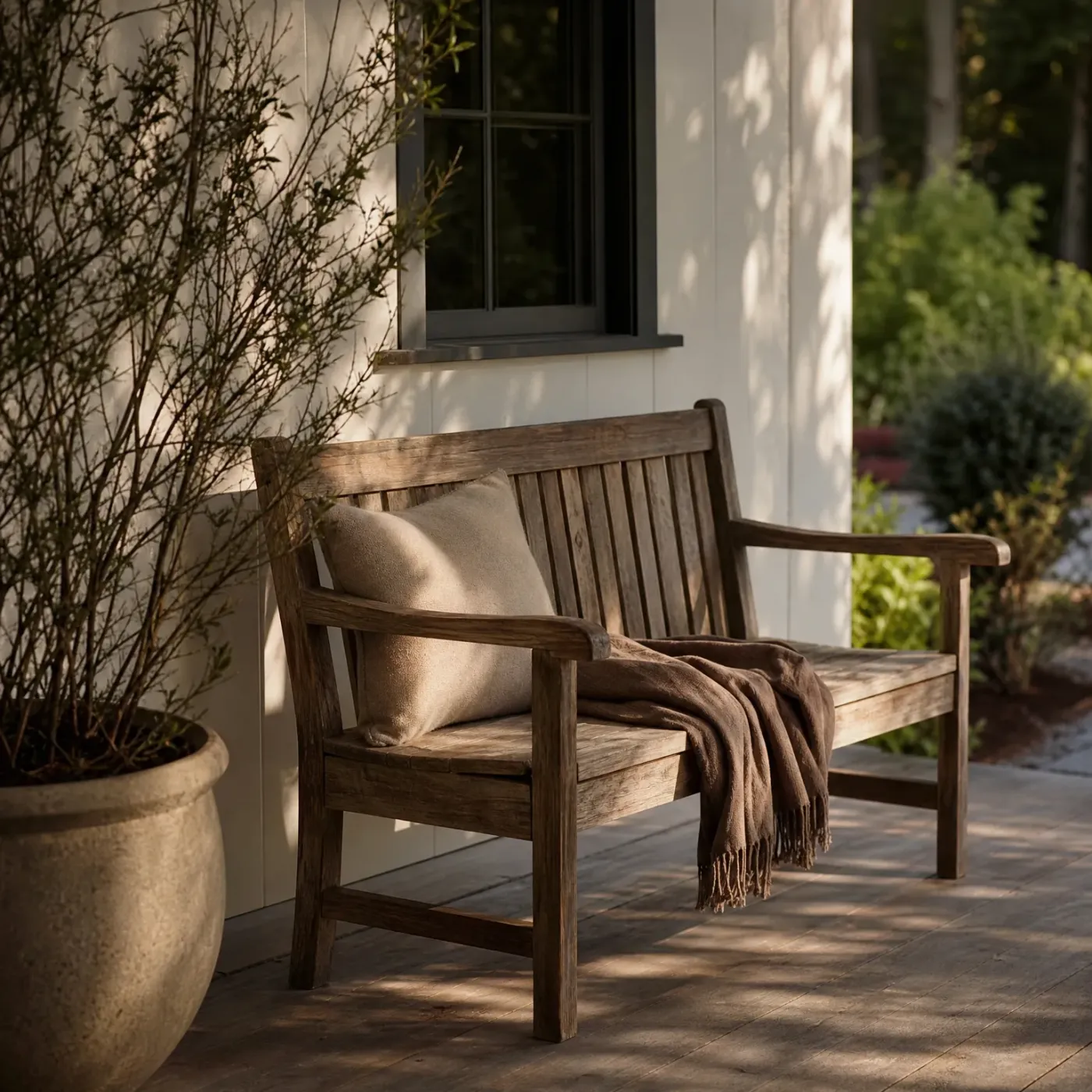
  • A weathered wooden bench with a beige cushion and a fringed brown throw sits on a wood-plank porch beside a large planter with a thin-branched shrub, against a light-colored house wall with a dark-framed window.
    • Skip the round of in-home estimates for a new air conditioner.
    • Describe the project once instead of to every installer.
  • Exterior of a dark shingle-sided house with a white-trimmed divided-light window, a yellow-leaved tree, trimmed shrubs, and two small pumpkins on a stone pillar cap.
    • The pro who reaches out is licensed in Colorado.
    • Only one pro gets your request, so you hear from one company.