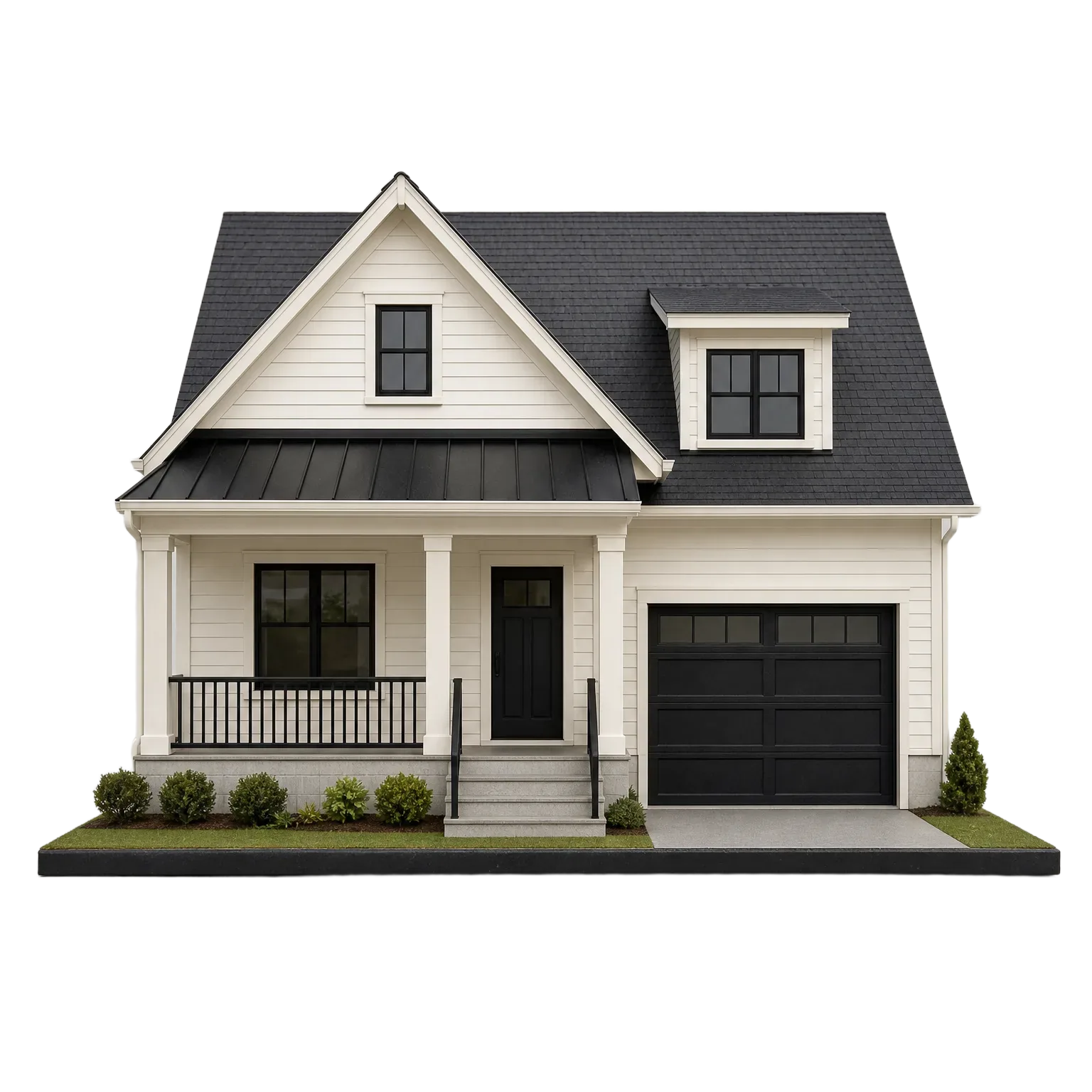
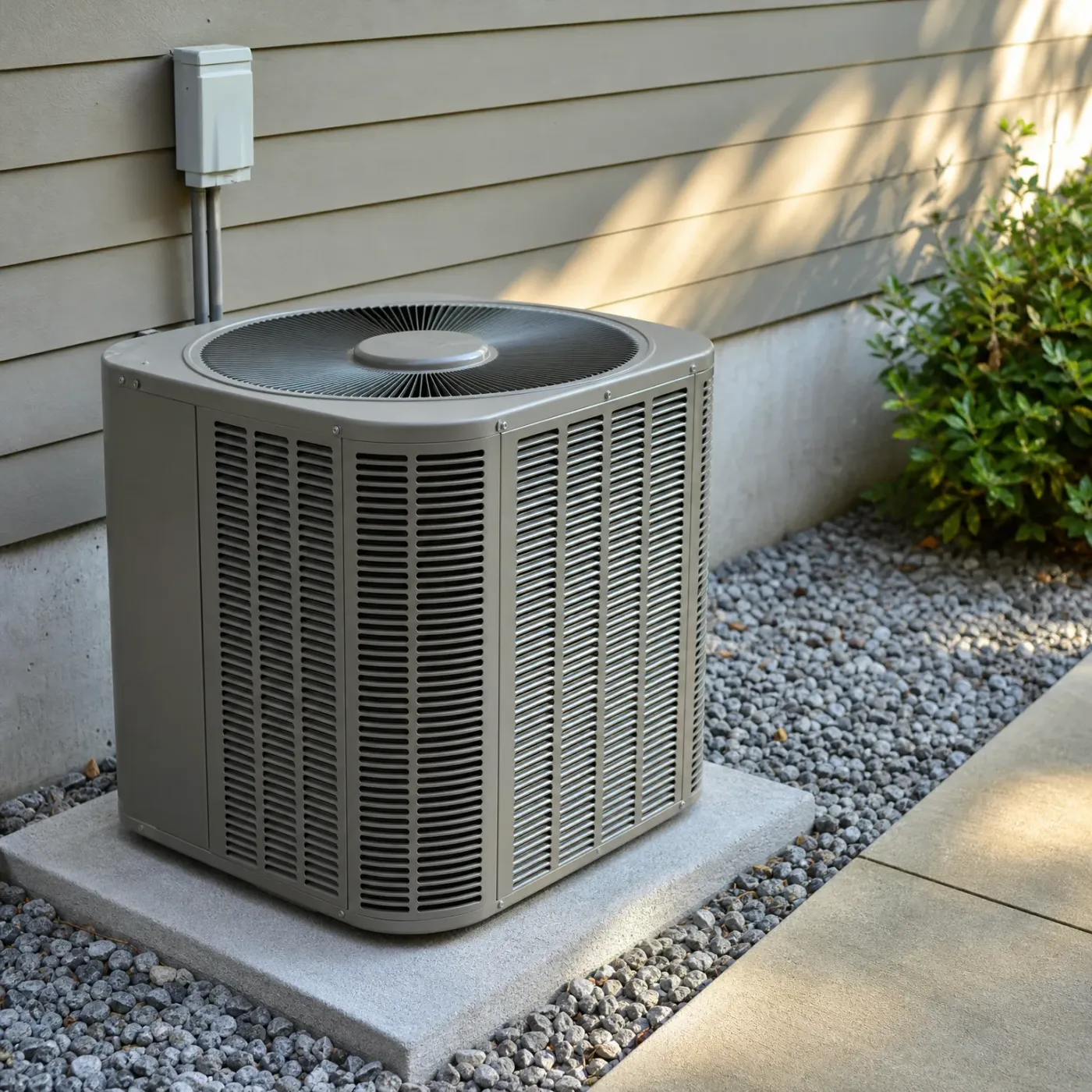
There is no single tonnage that fits every Colorado house, but sizing here follows the dry heat rather than humidity. A load calculation, done room by room, looks at your square footage, insulation, window area and sun exposure, then weighs that against how dry summer air actually cools once it moves across the coil. Because humidity is low here, a unit sized for a muggy climate runs oversized in Colorado, cooling the air fast and shutting off before it pulls enough moisture or runs long enough to even out the rooms upstairs. An undersized unit runs the opposite way, struggling through the hottest afternoons in July and August without catching up. The right size depends on your home's layout and construction, not a flat number per square foot, and most of the homes needing a correction were sized off a rule of thumb instead of an actual calculation the last time the system went in.
Before you get your air conditioner installationAfter you get your air conditioner installation
A contractor doesn't start from the tonnage of your old unit. They run a Manual J calculation, which adds up how much heat your house actually gains through its walls, windows and roof, then matches a system to that number. In Colorado's dry climate, that math leans harder on sun and wall heat than on moisture, since there's less humidity to pull out of the air in the first place. Altitude plays a part too. Thinner air changes how much heat a given condenser can move, so a tonnage that works fine in a sea-level home won't perform the same way here. Bigger isn't the fix people assume it is. A unit that's too large cools the air quickly and shuts off before it has time to work the humidity down, which leaves rooms feeling damp even once the thermostat hits its mark. Your ductwork matters just as much as the condenser outside. If the ducts are too small for the airflow a larger unit pushes out, upsizing won't solve a weak vent in the back bedroom. That's why a room by room load calculation, accounting for which walls face west and which rooms sit under the roof, gets you a system sized to how the house actually behaves in the sun, not just its square footage.
How sizing actually works here
A Manual J calculation sizes the system to the house, not to the number printed on the unit you have now.
Colorado's dry air means a contractor weighs sensible heat gain from sun and walls more heavily than moisture removal.
An oversized unit cools the air fast but shuts off before it pulls humidity down, so rooms feel clammy even at the set temperature.
Elevation thins the air, and that changes how much heat a given tonnage can actually move compared to sea level.
Duct size and layout limit how much air a bigger condenser can deliver, so a larger unit alone won't fix weak airflow.
West-facing and upper-floor rooms gain heat faster in the afternoon sun, which a room by room load calculation accounts for and a flat square footage guess does not.
One installer gets your project, so there's no bidding war over it.
You only hire the pro if you want to.
Why altitude changes the math
Colorado's thinner air affects how a condenser sheds heat and how a blower moves air through the ducts. Equipment rated at sea level doesn't perform the same at 5,000 or 6,000 feet, so a contractor familiar with the elevation here adjusts for it rather than installing straight off the manufacturer's chart. This is part of why a unit sized for a house in another state, even one the same square footage, can end up wrong for a house here. The contractor matched to your project works on systems at this elevation regularly and knows where that adjustment matters.
What a mismatched size costs you
An undersized system runs constantly on the hottest afternoons and still falls behind, especially in a west-facing room with a lot of glass. An oversized one shuts off before it pulls moisture or evens out the temperature between rooms, then kicks back on a few minutes later. Both patterns wear on the compressor over years of summers. Getting the tonnage right the first time means the system cycles the way it was designed to, rather than fighting the house or short-cycling through the season.
An oversized system cools your house fast and shuts off before it pulls the moisture out of the air inside, so rooms feel clammy even while the thermostat reads satisfied.
An undersized system runs nearly nonstop on the hottest afternoons, and the extra wear shows up first in the compressor, which is the most expensive part to replace.
Power costs 15.69 cents per kilowatt-hour statewide
At 15.69 cents per kilowatt-hour, an air conditioner that's the wrong size costs you twice over. Too big and it cycles on and off all afternoon, drawing a hard startup surge each time. Too small and it runs flat out through the hottest hours. The right tonnage keeps your bill tied to the weather, not the mismatch.
EIA-861 2025 statewide residential average
The Right Size, Confirmed Locally
A load calculation, not the size of your old unit, is what should set the tonnage for your replacement.
Elevation and dry air both change how a system performs here, so the math is different from a sizing done at sea level.
Getting the size wrong either way costs you comfort on the hottest afternoons and money on every electric bill after.
A local contractor who installs AC systems at this elevation all summer knows which brands and sizes hold up here.
You're matched with one licensed contractor local to your area, not a list of companies competing for the job.
That contractor can walk your house, run the calculation, and tell you the right tonnage before any equipment gets ordered.
The tonnage your house needs comes from a calculation, not from matching the number on your old unit or guessing based on square footage alone. In Colorado, that calculation has to account for elevation and dry air, both of which change how a condenser and blower perform compared to a system sized for sea level. Get it wrong in either direction and you pay for it. Too big, and the house never feels right even as the thermostat says it's satisfied. Too small, and the system runs flat out on the hottest afternoons while your electric bill climbs with it. Getting it right the first time means the equipment matches the house instead of fighting it.
This is where having someone who knows the local conditions matters. A contractor who installs systems at your elevation every summer has already seen which sizes and brands hold up and which ones struggle once the temperature climbs. That's the kind of judgment a spec sheet alone won't give you. When you request a match through this page, you're connected with one licensed contractor local to your area, not a batch of companies competing for your number. That contractor can walk your house, run the load calculation against your actual square footage, windows and sun exposure, and tell you the tonnage that fits before anything gets ordered. The answer to what size your house needs isn't a chart. It's a calculation done for your house, by someone who installs this equipment where you live.