Heat pump not heating in Denver, CO
A heat pump that won't heat in Denver winter usually comes down to a frozen outdoor unit, a failed defrost cycle, or a thermostat still sending it a cooling signal instead of heat. Check the outdoor coil first. If it's caked in ice, the defrost board or sensor that's supposed to clear it has likely failed, and that's common once temperatures drop into the teens and twenties here. The unit is still running, maybe even blowing air, but that air feels cool because the system can't pull heat from frozen coils or has lost refrigerant charge. Some systems switch to a backup heat strip or gas furnace below a set outdoor temperature. If that switchover isn't happening, you'll feel room-temperature air on the coldest days of the year even though the system sounds like it's working fine. Either way, the fix is a repair, not a thermostat reset.
Why does a heat pump struggle so much in a Denver winter?
Winter nights average 19°F
Nights this cold put real strain on a heat pump. At 19°F, the outdoor coil has to work harder, which is when ice and defrost problems show up.
Heat runs October through May
Eight months of heat means your heat pump carries the load far longer than it rests. More runtime means more chances for a frozen coil or failed defrost cycle to surface.
Cooling runs June through August
Only three months go to cooling, so the system spends most of its working life trying to pull heat from cold outdoor air, the harder half of its job.
NOAA nClimDiv 1991-2020
How a heat pump heats, and fails
- A reversing valve stuck in cooling mode will keep blowing cold air even when the thermostat is set to heat.
- Defrost mode runs for a few minutes every so often and can make the outdoor fan stop and vapor rise off the coil, which is normal.
- If the outdoor unit never kicks into defrost, ice builds across the coil fins and blocks airflow until the system can't pull in enough heat.
- Supplemental electric heat strips kick in when the outdoor coil can't keep up, so a tripped breaker there can leave you with only lukewarm air.
- A low refrigerant charge shows up as a coil that frosts over fast and a system that runs long cycles without warming the house.
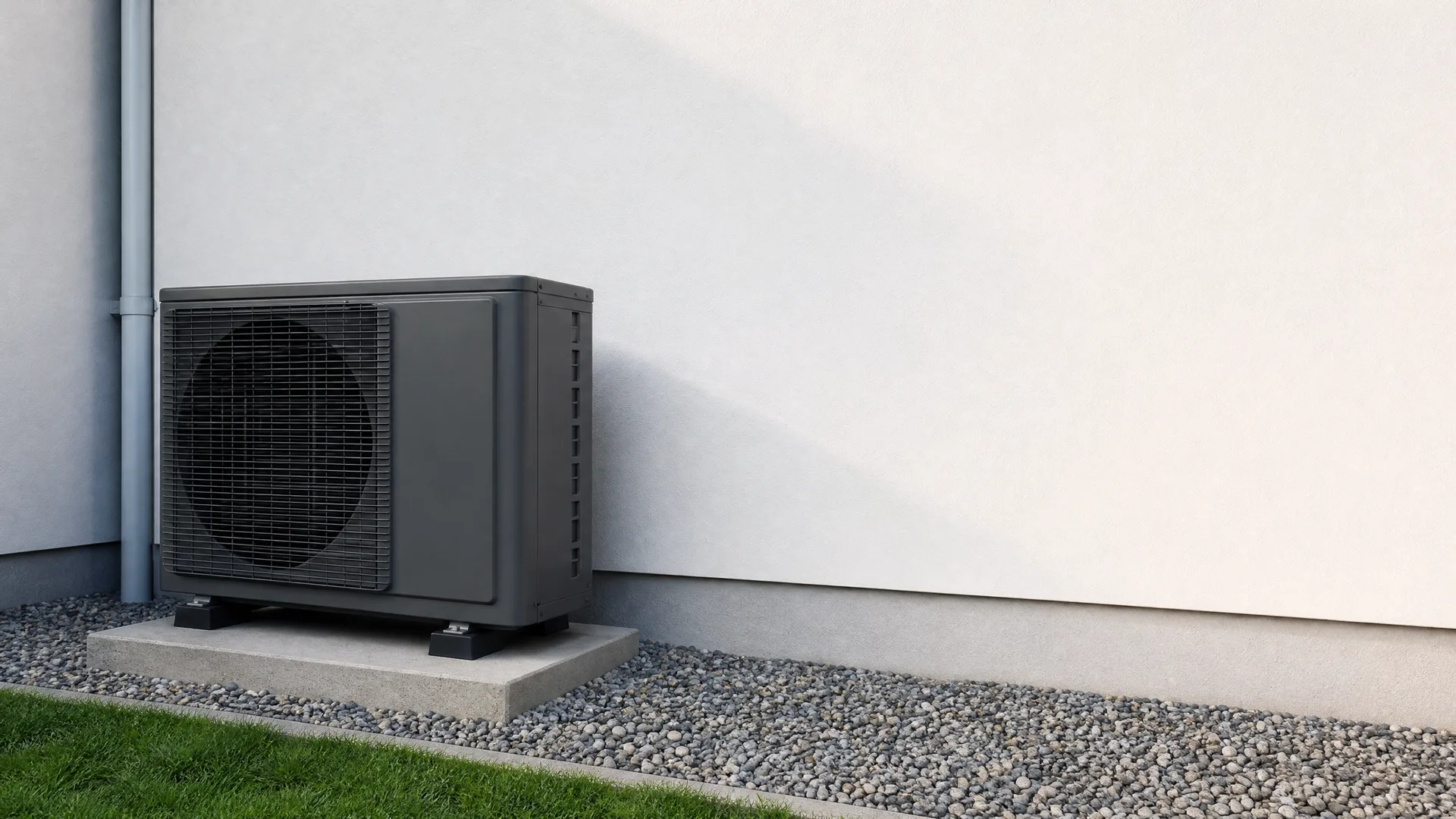
- The outdoor unit needs clear space around it; snow piled against the cabinet blocks the airflow it needs to pull heat from outside air.
A heat pump heats by moving heat from the outside air into your house, even when that air is cold. The reversing valve is what decides which direction the refrigerant flows, and it's what switches the system between heat and air conditioning. When that valve sticks in the wrong position, the thermostat can call for heat all it wants and the system will still send cold air through the vents. The outdoor unit has to work through frost that forms on its coil in cold, damp conditions, so it runs a defrost cycle on its own every so often. During defrost, the outdoor fan shuts off and you may see steam or vapor coming off the coil. That's the system clearing ice, not a malfunction. The problem starts when defrost doesn't trigger at all. Ice keeps building across the coil fins, airflow drops, and the unit can't pull in enough heat to satisfy the house. Most systems have electric heat strips that kick in as backup when the outdoor coil falls behind, usually on the coldest days or during long defrost cycles. If the breaker for those strips has tripped, you'll get air movement but not real heat. A refrigerant leak shows up in a similar way, with the coil frosting fast and the system running long stretches without raising the indoor temperature. None of this works if the outdoor cabinet is boxed in by snow. It needs open space on all sides to pull heat from the air around it.




A heat pump can usually keep a home warm down into the twenties without help. Below that, most systems lean on backup heat strips to make up the difference, and that's expected, not a sign of failure.
If the backup heat isn't kicking in on a night like this, the house will keep losing ground no matter how hard the outdoor unit runs. That's a control or a heat strip problem, not a sign the heat pump itself is undersized.


Get matched with a heat pump pro in Denver County
Explain the heat pump problem once instead of to every shop in Denver County.
There's no charge for the request.
How the reversing valve decides
The reversing valve is what lets one unit both cool and heat. A small solenoid shifts it based on the signal from the thermostat. When it sticks in the cooling position, the heat pump keeps moving heat the wrong direction no matter what the thermostat is set to. This is a mechanical failure inside the valve itself, not something a homeowner can free up or reset from inside the house.
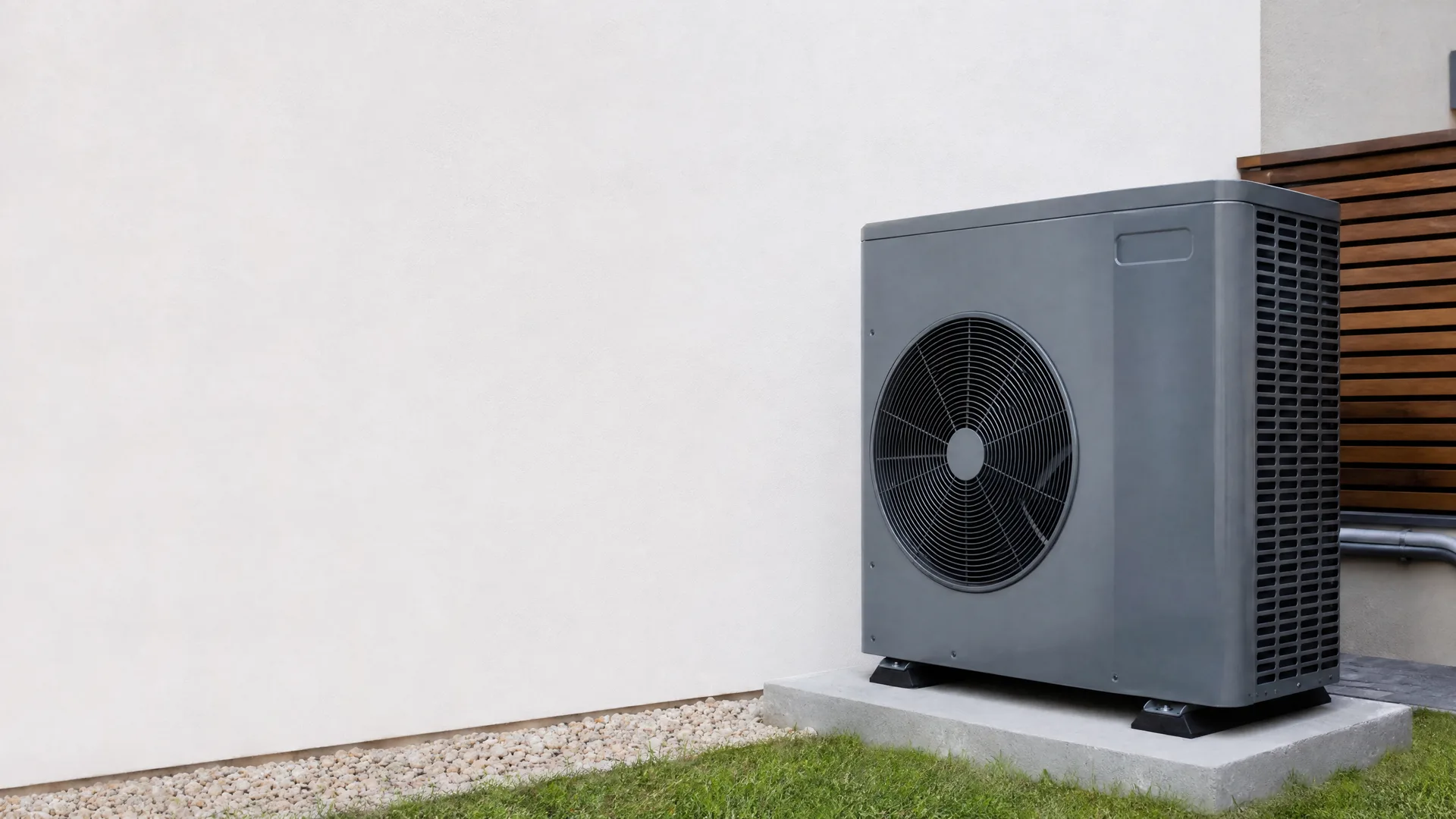
What the outdoor coil is doing
The outdoor coil pulls heat out of the air outside, even air as cold as Denver sees most winter nights, and moves it indoors. That only works if the coil stays mostly clear of ice. A thin layer that melts off during defrost is normal. A coil fully coated, with ice built up along the base or around the fan, means the unit is losing contact with the outside air it needs.
Why does my heat pump blow cold air instead of warm?
It's one of the most unsettling things a heat pump can do in a Denver winter: the thermostat says heat, the system is running, and the air coming out of the vents is cold instead of warm. People assume the whole unit has failed, but there are a few specific reasons this happens, and only one of them is actually a breakdown.
Most often it's the reversing valve, or just the normal defrost cycle
A heat pump makes heat by reversing the direction refrigerant flows through the system, and a small part called the reversing valve controls that switch. When it sticks in the cooling position, the unit keeps pulling heat from the outdoor air and moving it outside instead of in, even with the thermostat set to heat. You'll feel cold air the whole time it runs. If the cold air only lasts a few minutes and then turns warm again, that's more likely the defrost cycle clearing ice off the outdoor coil, which is normal on a cold Denver night and not a problem by itself.

Thermostat calls for heat and sends a signal to the outdoor unit.
Reversing valve shifts to move heat indoors instead of out.
Outdoor coil pulls heat from the cold air outside.
Compressor and refrigerant carry that heat into the house.

If the house still isn't warm, you don't have to keep chasing it
A heat pump that won't heat comes down to a handful of things: ice on the outdoor coil, a defrost board that isn't cycling, a reversing valve stuck the wrong way, or a thermostat sending the wrong signal. You can check the coil and the thermostat setting yourself. The rest needs someone to open the unit up.
You don't have to find that person on your own. Instead of calling around Denver, explaining the system and the symptoms to one contractor after another, and sorting through quotes, you get matched with a contractor who takes on jobs like this one, and they reach out to you directly. One call made, not several.



Find a heat pump repair pro in Denver County
A heat pump that won't heat through a Denver winter is usually one specific part acting up, not the whole system failing. Ice on the coil, a defrost board that stopped cycling, a reversing valve stuck in cooling, or a thermostat sending the wrong signal. Getting matched with a contractor means you skip the part where you search around, call a few companies, explain the same problem three times, and sort through quotes on your own. One contractor who serves your area reaches out and takes it from there.
Skip calling shops to ask who repairs heat pumps in Denver County.
You only hire the pro if you want to.