









AC tune-up before summer in Grand Junction, CO

Your air conditioner tune-up request goes to a pro who covers Mesa County.

Find an air conditioner pro

Do I need to get my AC tuned up before summer in Grand Junction?

You've seen the forecast turn toward the 90s and you're wondering if your AC can just handle it without any attention first. Summers here get hot fast, and once the heat sets in, you'll be running the system every day for months. You don't want to find out it's struggling on the first bad week.

Yes, get it checked before the heat arrives

A spring tune-up catches the small problems before July asks your AC to run all day for weeks straight. A tech checks the refrigerant charge, cleans the coil, and makes sure the capacitor and contactor are still doing their job. Any one of those failing is what turns into a no-cool call in August, when every other AC in Mesa County is failing too and you're waiting days for a contractor. Grand Junction summers are hot and dry, which means your system runs long hours with little break once it starts. A unit that starts the season clean and properly charged handles that load with less strain than one that's been sitting since last October.

A woman in a cream cowl-neck sweater stands in a lamp-lit room looking out a window at a snow-covered yard with shrubs and bare trees at dusk.
A woman in a gray turtleneck sweater stands near a large window in a lamp-lit living room, looking out at falling snow and snow-covered conifers.
A woman in a chunky knit sweater stands by a large window looking out at snow-covered ground, with a dimly lit living room containing a gray sofa, framed artwork, shelves and table lamps behind her.
A woman in a gray turtleneck sweater stands in a dimly lit living room with a lamp and bookshelves, looking out a multi-pane window at falling snow.
An outdoor air conditioner condenser unit on a concrete pad beside a house with beige horizontal siding and a stone-veneer base, with refrigerant lines running to a gray wall-mounted electrical box, surrounded by dark mulch, a flowering shrub and an evergreen on the left.
A tuned-up condenser like this one is cleared of debris and holds its charge, so it keeps up once Grand Junction hits the 90s.
An outdoor air conditioning condenser unit on a concrete pad beside a house with light vinyl siding, an electrical disconnect box and conduit on the wall, bare shrubs and mulch to the right, and a concrete walkway in the foreground.
Neglect catches up here, with a coil caked in cottonwood fluff and dust making the unit work harder for less cool air.

A technician starts by measuring refrigerant charge against the spec on the unit's nameplate, since running low makes the compressor work harder for less cool air. Next comes the condenser coil outside, which gets washed down. Cottonwood fluff and dust build up fast here and choke off the coil's ability to shed heat. The capacitor gets tested under load rather than just looked at, because a capacitor can read fine sitting still and still fail the moment the compressor tries to start. Connections at the contactor and disconnect get checked and tightened, since a loose one can arc and take the whole unit down on a hot afternoon. Airflow across the evaporator coil gets checked too. Too little air moving across it lets the coil ice over, and once that happens the system stops cooling until it thaws. Last is the condensate line, cleared of any clog before it backs up and shuts the unit off or drips into the house.

What a tune-up actually checks

  • A tune-up starts with the technician checking refrigerant charge against the manufacturer's spec, since even a little low cuts cooling and runs the compressor harder.
  • The condenser coil outside gets washed clean of dust and cottonwood fluff, because a blocked coil can't shed heat and the system runs longer to do the same job.
  • The capacitor gets tested under load, since a weak one lets the compressor or fan motor struggle to start and burns them out early.
  • Electrical connections get tightened, because a loose connection at the contactor or disconnect can arc, heat up, and shut the unit down mid-summer.
  • The technician checks that the blower is moving the right volume of air across the evaporator coil, since too little airflow can ice the coil over.
  • Condensate drain line gets cleared, because a clogged line backs up and can shut the system off or leak into the house.
An outdoor air conditioner condenser unit on a concrete pad beside a house with light horizontal lap siding, with an electrical disconnect box and conduit on the wall behind it.
Before you get your air conditioner maintenance
An outdoor air conditioning condenser unit on a concrete pad beside a house with white horizontal lap siding, with an electrical disconnect box and insulated refrigerant line on the wall and a shrub over mulch to the right.
After you get your air conditioner maintenance
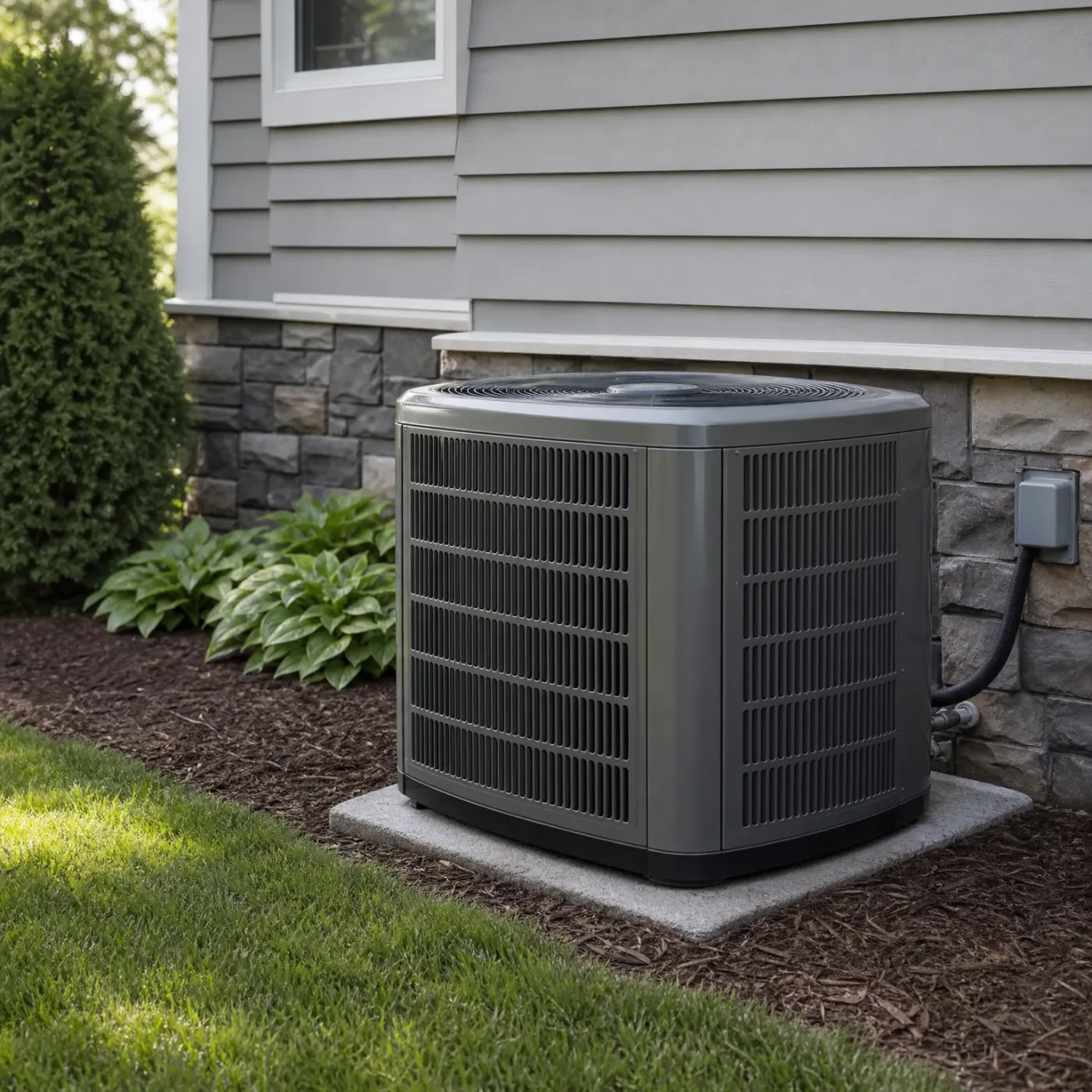
A gray outdoor air conditioning condenser unit on a concrete pad beside a house with horizontal siding and a stone veneer base, surrounded by mulch, hostas, a shrub, and lawn.

Get matched with an air conditioner pro in Mesa County

A licensed pro who works in Mesa County gets your request.

Get matched with a pro who does air conditioner tune-ups in Mesa County.

Get one local pro

It costs nothing to send, and you don't have to hire anyone.

Is your AC struggling to keep up already?

Turn it on and listen. If it takes longer than it used to for a room to cool down, or the air coming out doesn't feel as cold as last July, that's the first sign. Some homes notice the unit running almost constantly on a 95 degree afternoon, cycling less and working more. You might see ice on the copper line, or notice the outdoor unit looks dusty or has fluff caught in the fins. None of this means it's done for. But a system working this hard in June has little left to give by August, and a bigger failure usually shows up on the hottest day of the year, not the mildest.

A gray outdoor air conditioner condenser unit on a concrete pad beside a house with white horizontal siding and a brick foundation, with a wall-mounted disconnect box and conduit, and a green shrub with mulch at left.

Running clean

This is what a serviced unit looks like sitting next to the house. The lines and conduit are intact, the pad is clear, and nothing around the cabinet is blocking airflow. Inside, the coil and contacts have been checked over, so when it kicks on for the first 90-degree day, it just runs.


An outdoor air conditioning condenser unit on a concrete pad beside a house with white horizontal vinyl siding, with a gray electrical disconnect box and refrigerant lines on the wall behind it.

Running dirty

This older unit has a grille caked in grime and a top cover that hasn't been cleaned off in a while. Dirt like that holds heat against the coil instead of letting it shed, so the compressor works harder to do the same job. Left alone, that strain is what ends a unit's life early.

Cooling runs July through August

Two months is a short window to find out your AC can't keep up. With July and August doing all the work, a unit that's slipped out of tune has little time to cost you comfort before the season's over and you're left waiting on it again next year.

NOAA nClimDiv 1991-2020

What a tune-up checks

  • The technician tightens or replaces the contactor and relay contacts, since pitted contacts cause the outdoor unit to hesitate or not start.
  • Amp draw on the compressor and fan motor gets checked against the nameplate rating, because a motor pulling too many amps is wearing out.
  • The evaporator coil in the indoor unit gets inspected for dust buildup, since a dirty coil can't pull heat out of the air as well.
  • Drain line and drain pan get checked for clogs, since a blocked line backs up and can shut the system down or leak into the house.
  • Thermostat calibration gets checked against a separate thermometer, since a thermostat reading a few degrees off runs the system longer than it needs to.
  • Ductwork connections at the unit get checked for loose or disconnected joints, since lost air there means rooms down the line run warmer.

A tune-up goes through the system in order, starting at the electrical connections and working through to the airflow. The contactor out at the condenser gets tightened or swapped if the contacts are pitted, since that's a common reason an outdoor unit hums but won't kick on. From there the technician clamps an amp meter on the compressor and the fan motor and checks the reading against the nameplate. A motor pulling more amps than it's rated for is telling you it's on its way out, tune-up or not. Inside, the evaporator coil gets a look for dust, because that coil has to pull heat out of the air passing over it, and a layer of dust on the fins cuts down how well it can do that. The drain line and pan get checked too. A clogged line backs water up into the pan, and depending on how the system's built, that can trip a safety switch and shut the unit down, or let water find its way into the house instead. The thermostat gets checked against a separate thermometer, since a reading that's off by a few degrees means the system runs longer than the house actually needs. Last, the duct connections right at the unit get checked for loose joints, because air lost there never makes it to the rooms it was meant to cool.

A bearded man in a plaid flannel shirt over a gray tee looks out a frosted multi-pane window with snow outside, a steaming dark mug on the sill beside him and shelves of dishware behind.
A bearded man in a navy t-shirt sits on a beige sofa, laughing while looking toward a laptop screen visible in the lower foreground, with a houseplant, shelves, and a framed picture behind him.
A man in a gray polo shirt holding a clipboard walks up a paved path toward a light-colored house where a woman stands in the open front doorway.

Get it looked at before the heat sets in

A tune-up before the 90s arrive settles the question. Charge gets checked, the coil gets cleaned, the contacts and amp draw get checked against spec, and you know where the unit stands before it has to work.

If you'd rather hand this off, the match is built for that: you're connected with one licensed contractor near Grand Junction, not a handful of them calling you back, and the one you get works on this equipment every summer and knows what tends to go first on a unit that's sat all winter. They'll reach out to set up a time that works. Your AC gets checked before the heat decides the question for you.

A dark ceramic mug on a round wooden table beside a light grey sofa with a woven cushion and knit throw, with a window, potted plant, floor lamp and wooden cabinet blurred in the background.
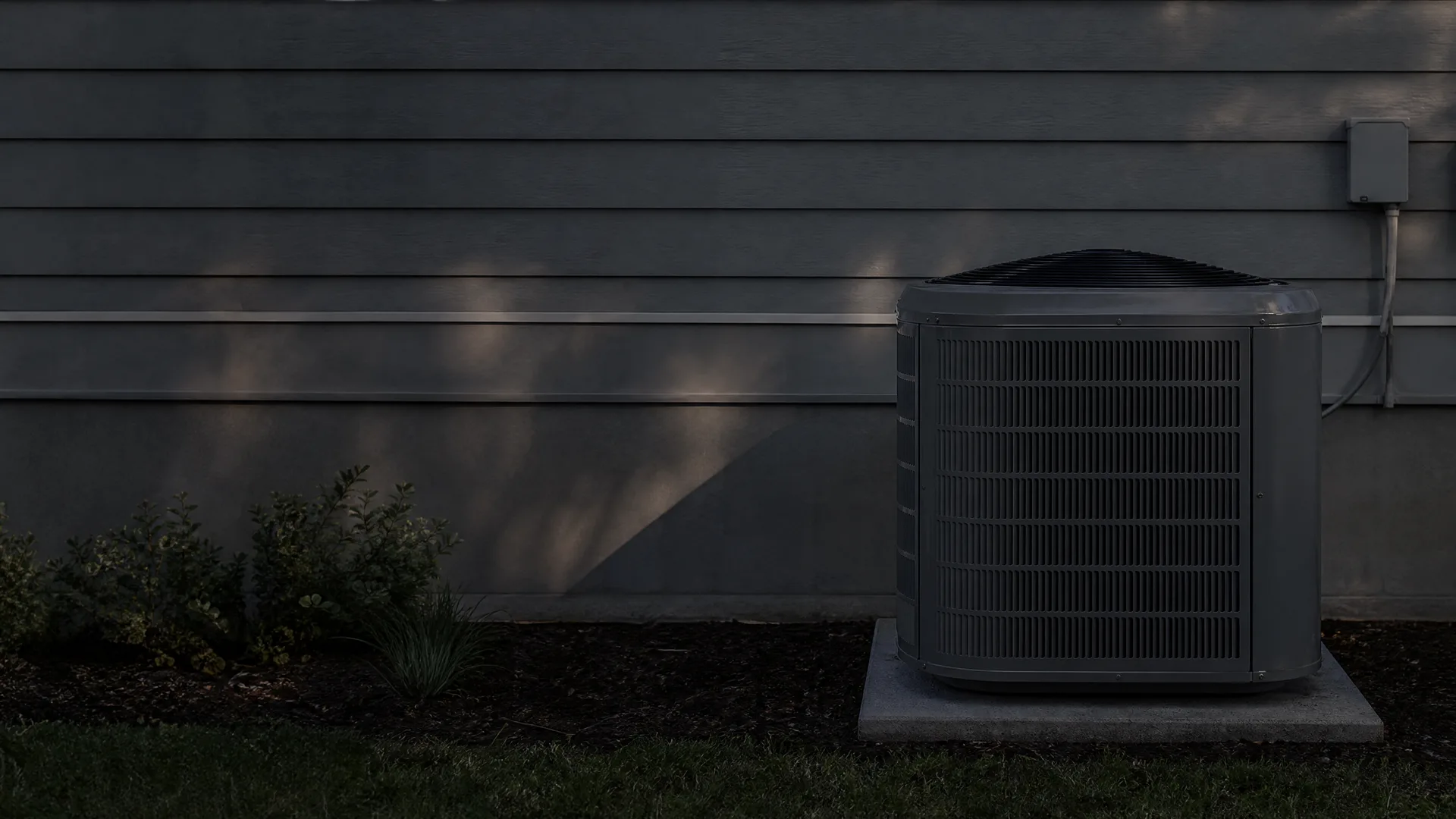
An outdoor air conditioning condenser unit sits on a concrete pad beside a gray horizontal lap-sided house wall, with a small electrical box and conduit above and shrubs in a mulch bed to the left.

Find an air conditioner maintenance pro in Mesa County

The pro who gets in touch is licensed in Colorado and works in Mesa County.

Tune-up, service, or cleaningCentral ACMesa County, CO
Step 1 of 2

What ZIP code is the job in?