




AC can't keep up on hot days in Thornton, CO

Skip the search

A hot afternoon in Thornton and the air coming out of the vents is just not cold enough. Maybe it runs and runs and never gets the house down to the number on the thermostat. Maybe it keeps up until the sun is highest, then falls behind. Either way, you're left guessing whether it's low refrigerant, a struggling capacitor, or a system that was never sized for a day this hot. Finding out usually means calling a few places, describing the same symptoms each time, and waiting on quotes to compare. This page skips that. You're matched with one licensed contractor working in Adams County, someone who sees this exact complaint every summer and knows what to check first. One call, one visit, no juggling estimates from strangers.

Why can't my AC keep up when it's really hot outside?

On a 95 degree afternoon in Thornton, your thermostat might say 78 and the air coming out of the vents just doesn't feel cold. You bump the setting down, close the blinds, and the system keeps running without catching up. It's a strange thing to see a unit run constantly and still lose ground, especially since it managed fine back in June.

It's likely undersized or low on refrigerant for the heat load it's facing

Every air conditioner is built to handle a certain amount of heat, and it's sized for the hottest days a place like Thornton sees, not the mild ones. Once the outdoor temperature climbs past what the unit was matched to, or the system is running low on refrigerant from a slow leak, it can't move enough heat out of the house to keep pace. The compressor runs the whole time but the house keeps gaining heat faster than the system can remove it. On the hottest afternoons, with the sun loading up the roof and walls, that gap shows up as a thermostat that won't come down no matter how long the AC runs.

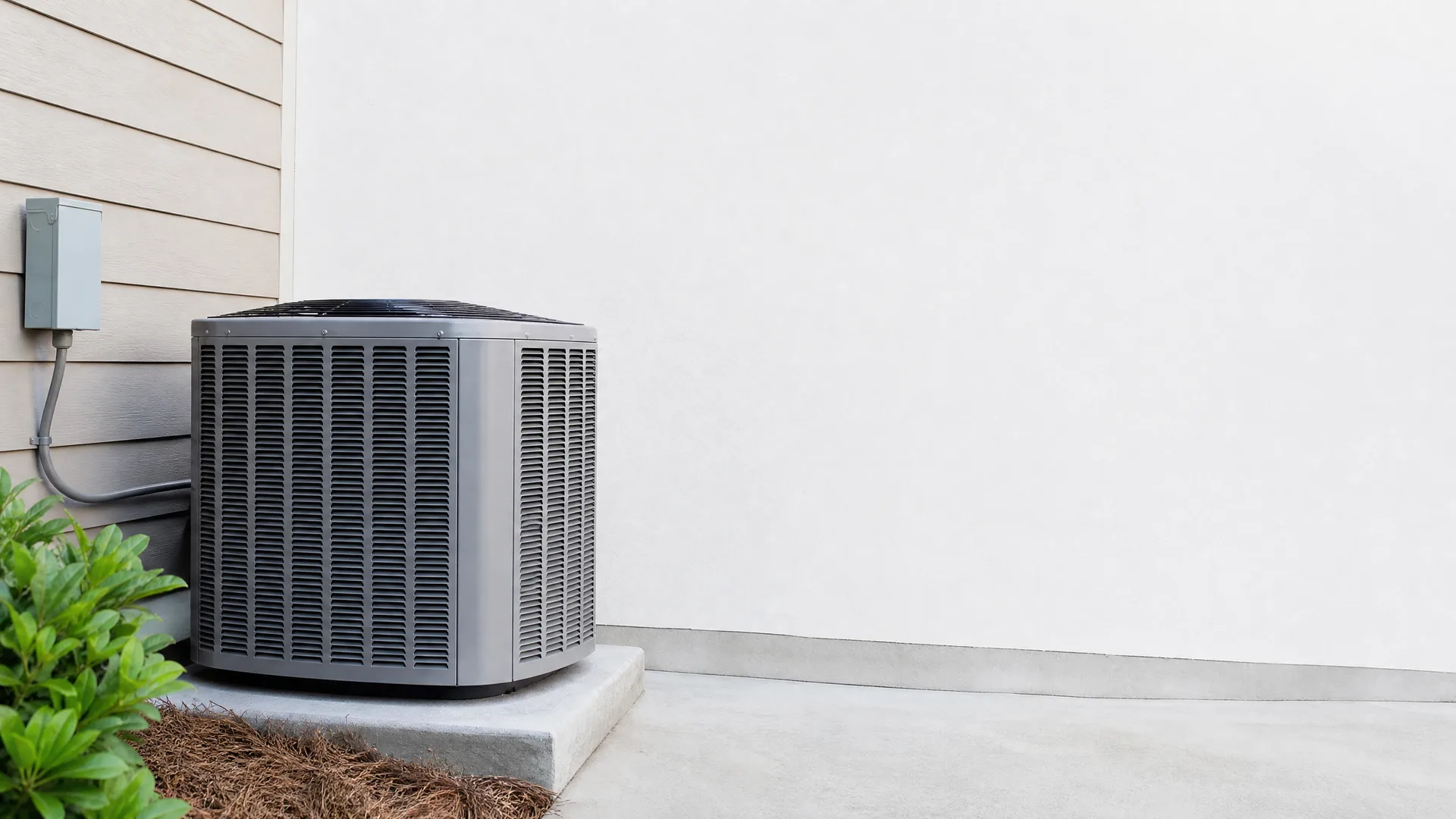
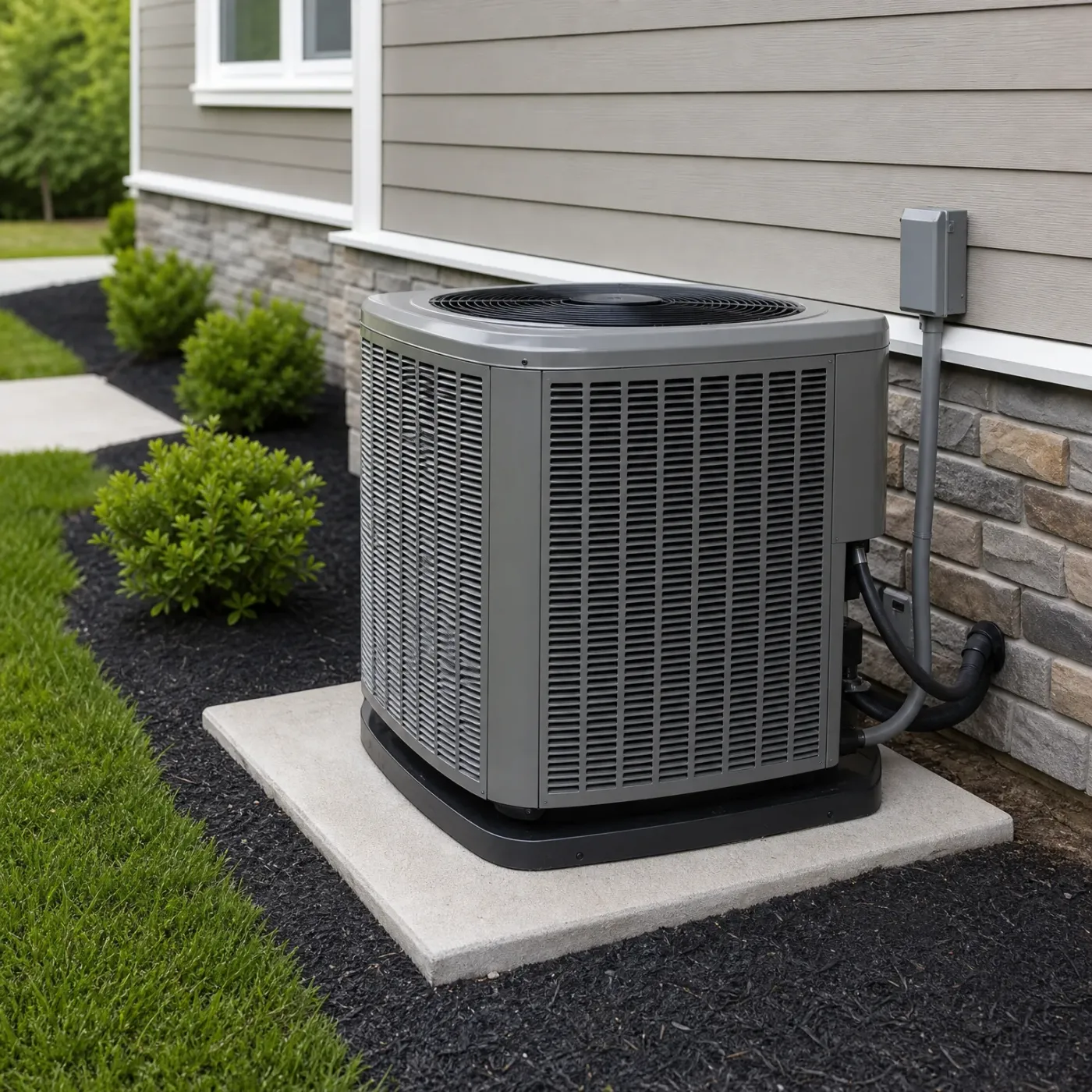
A gray outdoor air conditioner condenser unit sits on a concrete pad beside a house, with a gray electrical disconnect box and conduit on the lap-siding wall above it and a green shrub and pine straw at the lower left.

Why the heat makes this worse

An air conditioner sized right for Thornton is built to handle the hottest afternoons here, but every system has a limit. Once it's over 90 outside, the unit has to move more heat out of the house per hour just to hold steady, let alone pull the temperature down. A system that's low on refrigerant or has a dirty condenser coil loses capacity it can't spare on those days, and that's when you notice it.

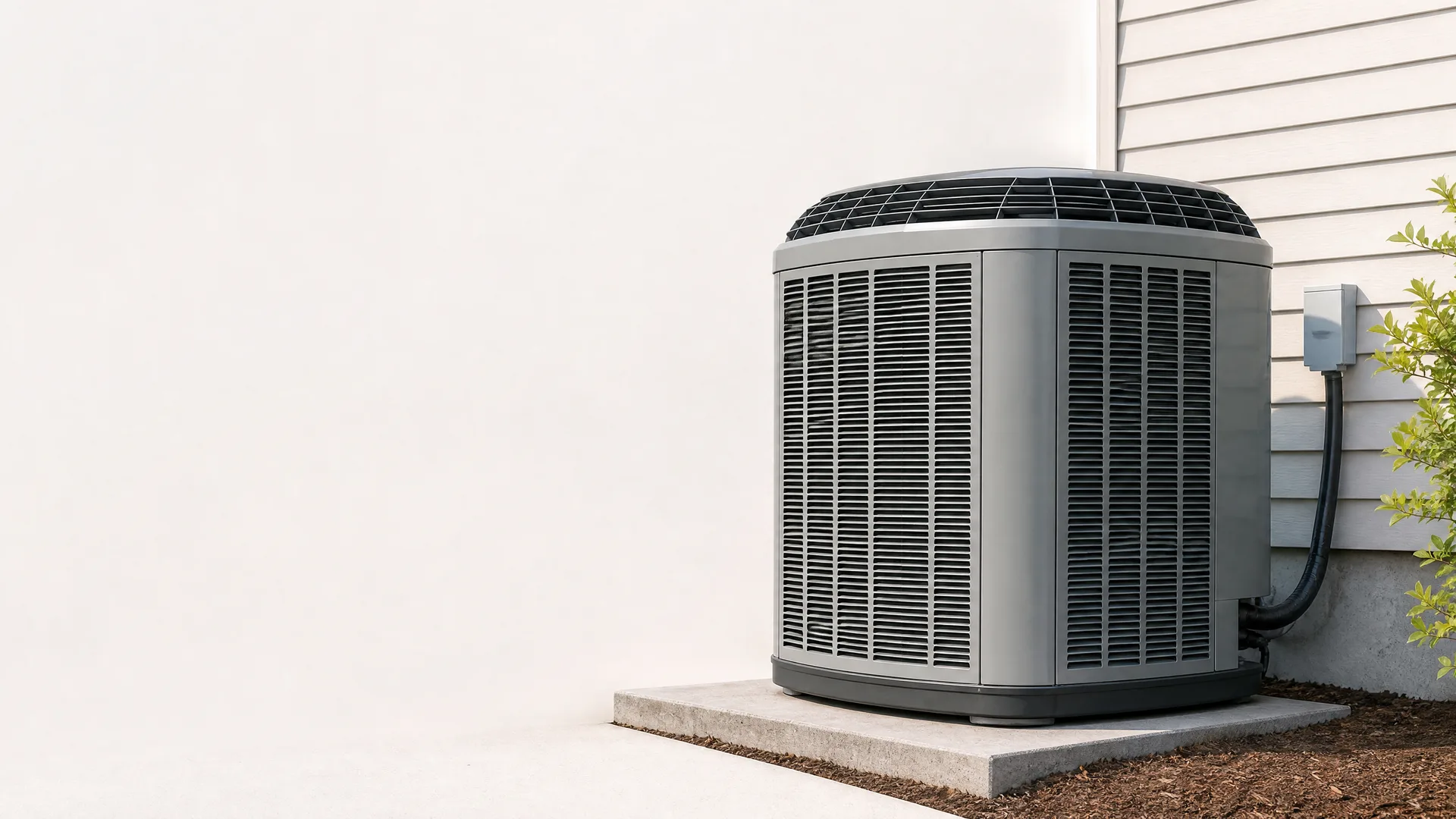
A gray outdoor air conditioner condenser unit on a concrete pad beside a light-colored stucco wall and horizontal lap siding, with an electrical disconnect box, conduit, mulch, and a shrub at right.

What's different about a 95 degree day

At 75 degrees outside, a weak system can still get the house comfortable, just slower than it should. At 95, that same weakness shows up as a thermostat that never reaches its setting. The gap between outdoor and indoor temperature is what the system works against, and on the hottest days that gap is biggest. A unit running clean and fully charged handles it. One that isn't, falls behind right when you need it most.

Is your house just never quite cool anymore?

You notice it most in the afternoon. The thermostat is set where it's always been, but the house is running two or three degrees warmer, and it stays that way until the sun goes down. The air from the vents feels weak up close, not the cold blast you remember. Upstairs rooms hold onto heat longer than the rest of the house. The outdoor unit might be running almost nonstop on the hottest days, and your power bill is showing it. Left alone through another Thornton summer, a system working this hard tends to wear out the parts carrying that extra load, and a small problem now can turn into a system that stops cooling altogether on the next 95 degree day.

  1. Refrigerant absorbs heat from the air inside your house.

  2. The compressor pressurizes that refrigerant and sends it outside.

  3. The outdoor coil releases the heat into the outside air.

  4. On hot afternoons, the outdoor coil struggles to shed that heat fast enough.

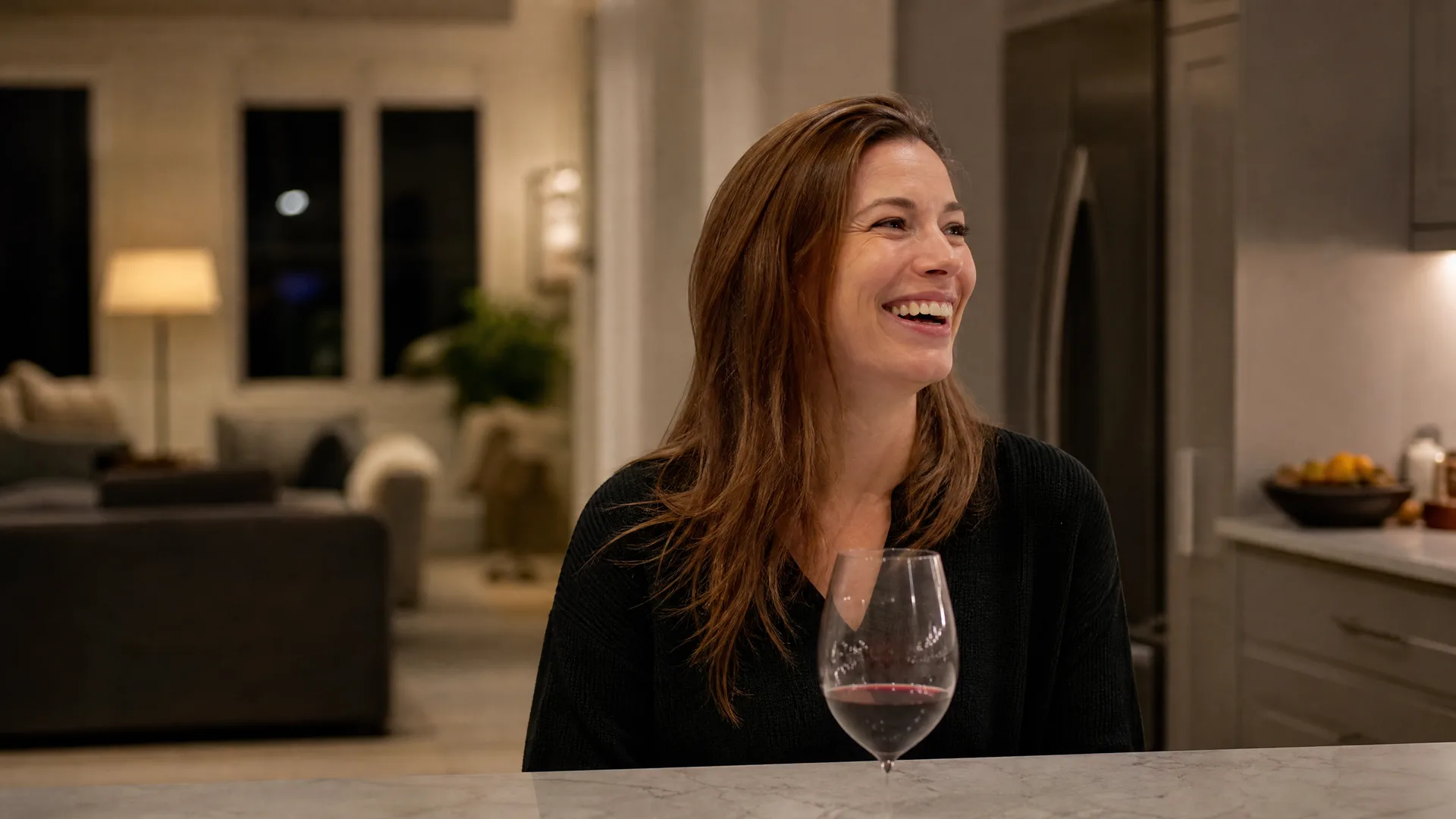
A smiling woman with long brown hair in a dark sweater sits at a light stone kitchen counter with a glass of red wine, with a dimly lit living room in the background.
A smiling woman with dark hair pinned up, wearing a beige sweater, sits looking off to the side in a kitchen with a glass of red wine in front of her, a stainless steel refrigerator, marble counter and a potted plant behind her.
A smiling woman with dark shoulder-length hair in a navy sweater sits at a kitchen counter with a glass of red wine, with a lit living room and pendant lights behind her.
A woman in a dark gray sweater laughs while seated at a white marble counter with a glass of red wine, with a blurred living and dining room behind her.
A gray outdoor air conditioner condenser unit on a concrete pad beside a house with horizontal siding and a stone veneer base, with a wall-mounted disconnect box, conduit and refrigerant lines, surrounded by black mulch, shrubs and lawn.

No calling every shop in Adams County

A licensed pro who repairs air conditioners in Adams County gets your request.

Skip calling shops to ask who repairs air conditioners in Adams County.

Reach a local pro

Sending the form costs nothing.

Fix It Now or Push Through Summer

Call for repair

  • A system that runs all afternoon without hitting the thermostat setting usually has a cause a technician can find and fix, like a low charge or a failing capacitor.
  • Catching the problem now, before the hottest weeks of the summer, means one less thing working against the system when Thornton hits 95 and up.
  • A tech who works on these systems all over Adams County has likely seen the exact symptom you're describing and knows where to look first.
  • Repair costs what it costs for the part and the labor, and you'll know the number before anything comes apart.
  • If the system is still within its expected working life, a repair gets it back to doing what it was built to do.

Let it ride

  • A system that's falling behind on the worst afternoons usually doesn't get better in July or August, it gets asked to do more as the days stay hot.
  • Running a struggling compressor or a low charge for weeks at a time puts strain on parts that are already working harder than they should.
  • Every afternoon it can't keep up is an afternoon your house sits a few degrees warmer and the system runs that much longer to try to catch up.
  • Power in this area isn't cheap, and a unit straining against a problem it hasn't been checked for uses more of it for less cooling.
  • Waiting means the choice of when to deal with it stops being yours once the system can't keep up at all, often on the hottest day of the year.
A gray outdoor air conditioning condenser unit on a concrete pad beside a house with horizontal lap siding, with a wall-mounted disconnect box and conduit, and shrubs to the left.

Running the way it should

The outdoor unit cycles on, runs for a while, and shuts off once the house hits the thermostat setting. The coil and fins stay clear, the pad is clean, and the area around the unit is open on all sides so it can move air freely.


An outdoor air conditioning condenser unit on a concrete pad beside a house with horizontal siding and a concrete foundation, with dry brown leaves on the ground to either side.

Struggling in the heat

Leaves and debris pile up against the cabinet, and dirt coats the coil fins. A unit in this shape can't shed heat the way it needs to on a 95 degree day, and it's working harder for less cooling. This is often where a technician finds the cause.

A smiling man with curly graying hair and a dark knit sweater sits at a candlelit dinner table with a glass of red wine, a water glass and a bowl of salad in the foreground, in a dimly lit room with a lamp, framed picture and window behind him.
A woman in a cream knit sweater reclines on a gray sofa with her eyes closed and a slight smile, covered by a fleece blanket with a closed book on her lap, a lit table lamp and potted plants behind her.

You wait out the summer

The system keeps running on the worst afternoons, the house sits a few degrees warm, and you figure it'll hold until the weather breaks. Some systems do get through a Thornton summer this way. But a unit that's already struggling at 90 degrees is working harder every week after that, and whatever's causing it, a weak capacitor, a low charge, a dirty coil, doesn't fix itself. If it fails outright in August, you're calling around for a contractor during the week everyone else is too.

You get it looked at now

A technician who works on these systems all season can usually tell what's behind it fast: a capacitor on its way out, refrigerant low from a slow leak, a coil caked with dust. One contractor comes out, finds the cause, and fixes it, rather than you explaining the problem to several companies and comparing what each one tells you. The house gets back to the temperature you set it, and the system isn't working as hard on the next 95 degree day.

Cooling runs June through August

Three months is the whole job for your system here. June, July and August are when it has to work, and when a struggling unit gets found out. There's no mild stretch to coast through after a bad week like this.

NOAA nClimDiv 1991-2020

An AC that can't hold the line on a hot Thornton afternoon has a reason, and a technician who works on these systems all summer has usually seen it before, whether it's a low charge, a weak capacitor, or a coil that can't shed heat fast enough. You don't need to figure out which one. You need someone local who can get out to the house, look at the unit, and tell you straight what's wrong with it. The match you'd get through this page is one licensed contractor who knows this equipment and this climate, not a handful of companies calling at once while you try to sort out who's worth hiring. July and August don't leave much room to wait on a decision like that. Whatever's keeping your system from catching up, it's fixable, and the sooner someone qualified looks at it, the sooner the house cools the way it used to.

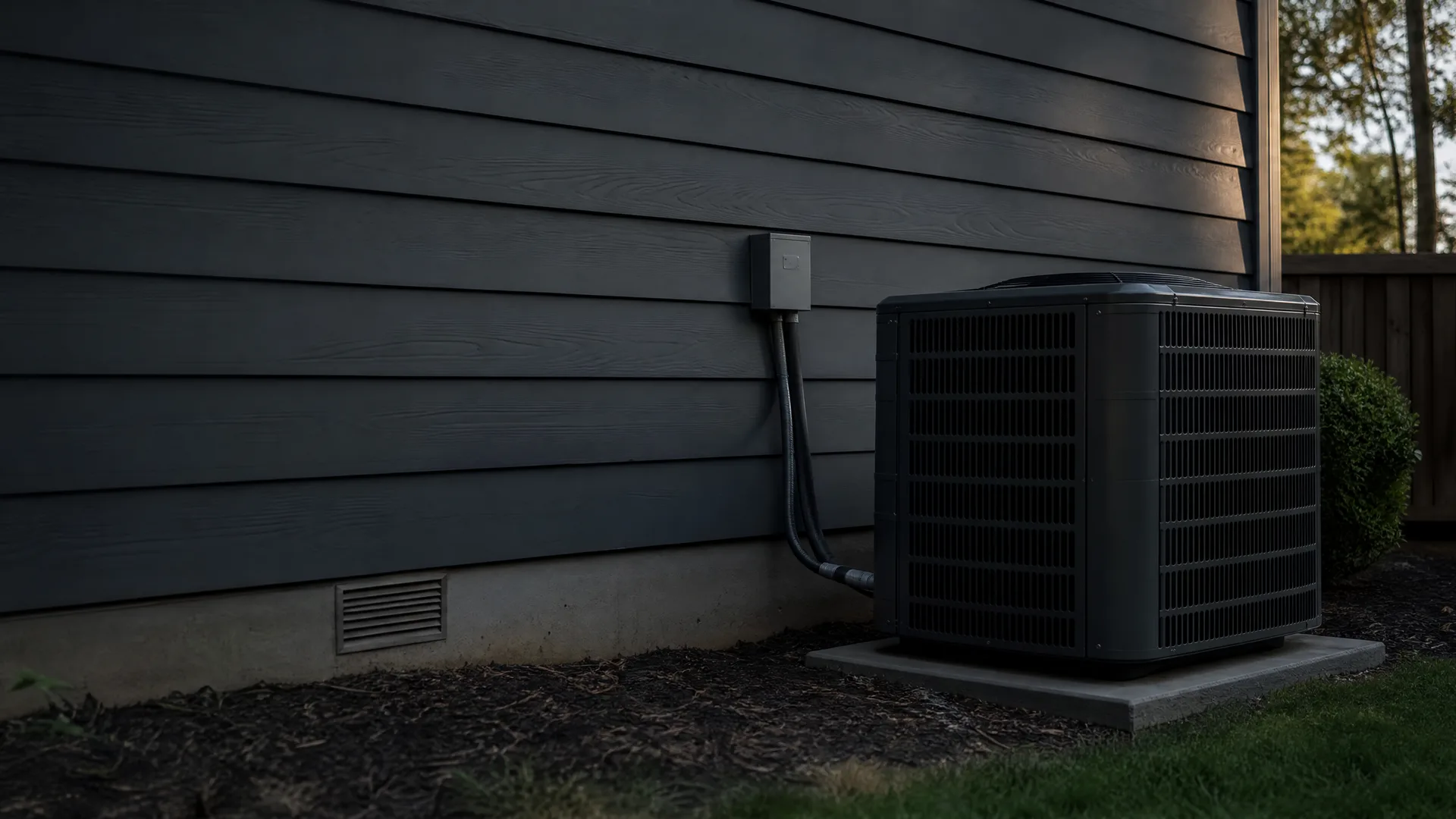
An outdoor air conditioning condenser unit on a concrete pad beside a dark gray horizontal lap-sided house wall, with a disconnect box and refrigerant lines on the wall, mulch bed and shrubs nearby.

Skip the search

The pro who gets in touch is licensed in Colorado and works in Adams County.

RepairCentral ACAdams County, CO
Step 1 of 2

What ZIP code is the job in?