
Why your AC runs all day in Colorado summers
Why does my AC run all day in Colorado summer?
You notice your air conditioner almost never shuts off once the afternoon heats up. It kicks on in the morning and keeps running, on and off with barely a pause, straight through until evening. You're not sure if that's normal for Colorado or a sign something's wrong, and whether it's quietly running up your power bill or wearing the system out.
It's running long because Colorado air is dry, not because something's broken
Dry air pulls heat out of a house more slowly than humid air does, so your AC has to run longer to bring the temperature down and hold it there. That's normal here, especially on days with low humidity and a hot sun overhead. The problem is telling the difference between that normal long runtime and a system that's struggling because something's actually wrong, like a dirty filter choking airflow, a low refrigerant charge, or a coil that needs cleaning. If your AC is running all day but the house still isn't cooling to the temperature you set, or it's cycling on and off in short bursts instead of running steadily, that's not dry air anymore. That's a sign worth having someone look at before the compressor takes the strain all season.
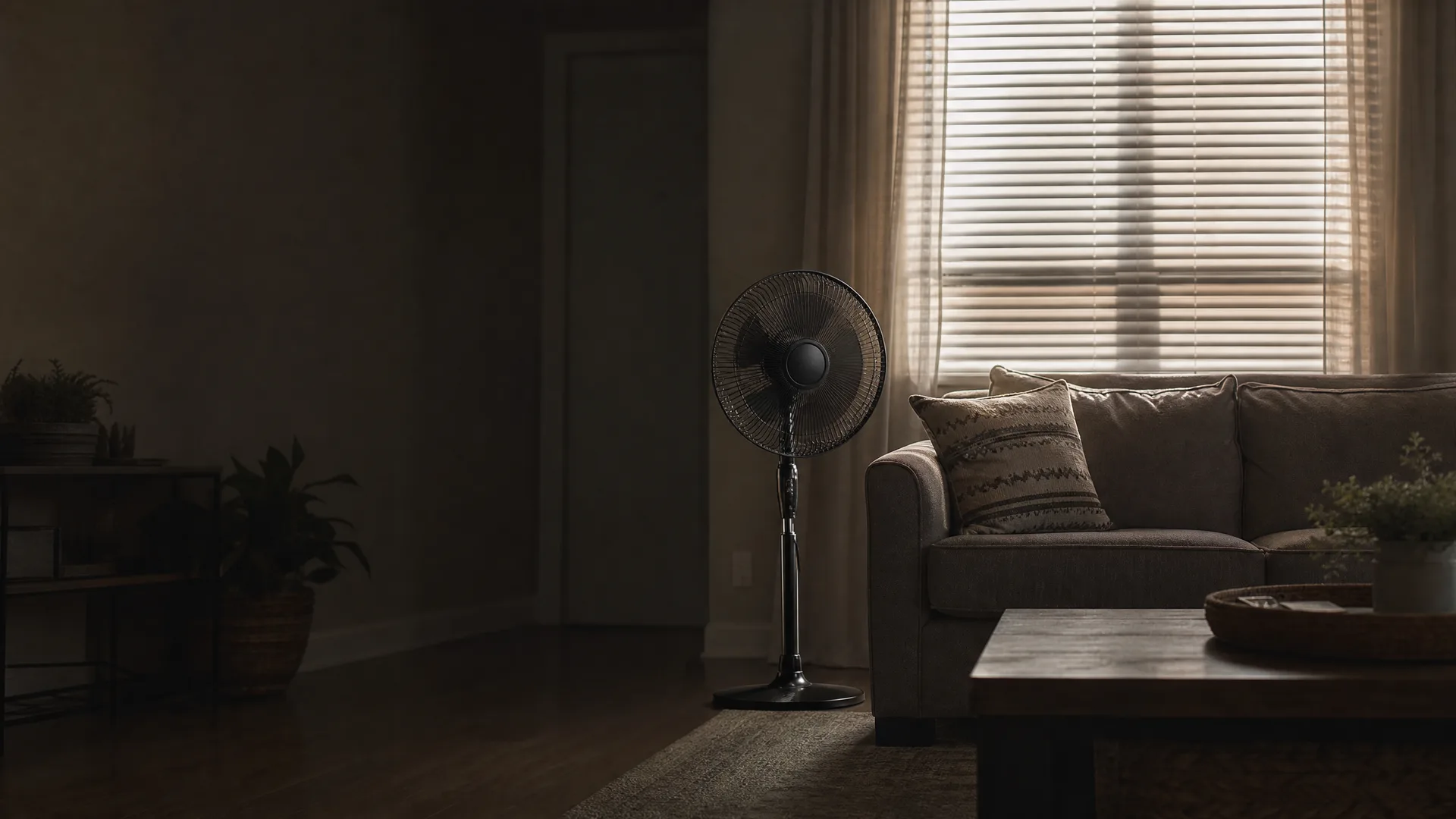
By two in the afternoon the blinds are down against the sun and the floor fan next to the couch has been running since lunch. You can hear the AC cycle on again from the other room, that low hum under everything. The dry Colorado air means the sweat on your skin evaporates fast, so the room feels almost bearable even as the thermostat reads warmer than you'd like. You check your phone, check the vent above you, feel the air coming out and it's cool but not cold enough to catch up. The fan just moves the same warm air around while the compressor outside keeps grinding through another cycle that won't quite finish the job.


How the long cycle works
- Your thermostat calls for cooling once the house climbs a couple degrees above the setpoint, and the AC runs until that gap closes.
- Colorado's dry air means sweat evaporates fast, so the house can feel tolerable even while the indoor air is still warm and the system keeps working.
- A compressor sized right for your house runs long cycles on the hottest afternoons by design, not because anything is wrong with it.
- Attic and duct temperatures climb through the afternoon, so the system is fighting heat gain even after the sun starts to drop.
- The refrigerant has to absorb heat from inside and release it outside, and a bigger temperature gap outside slows that whole exchange down.
- A dirty filter or low refrigerant charge makes this normal long cycle stretch into something closer to constant running.
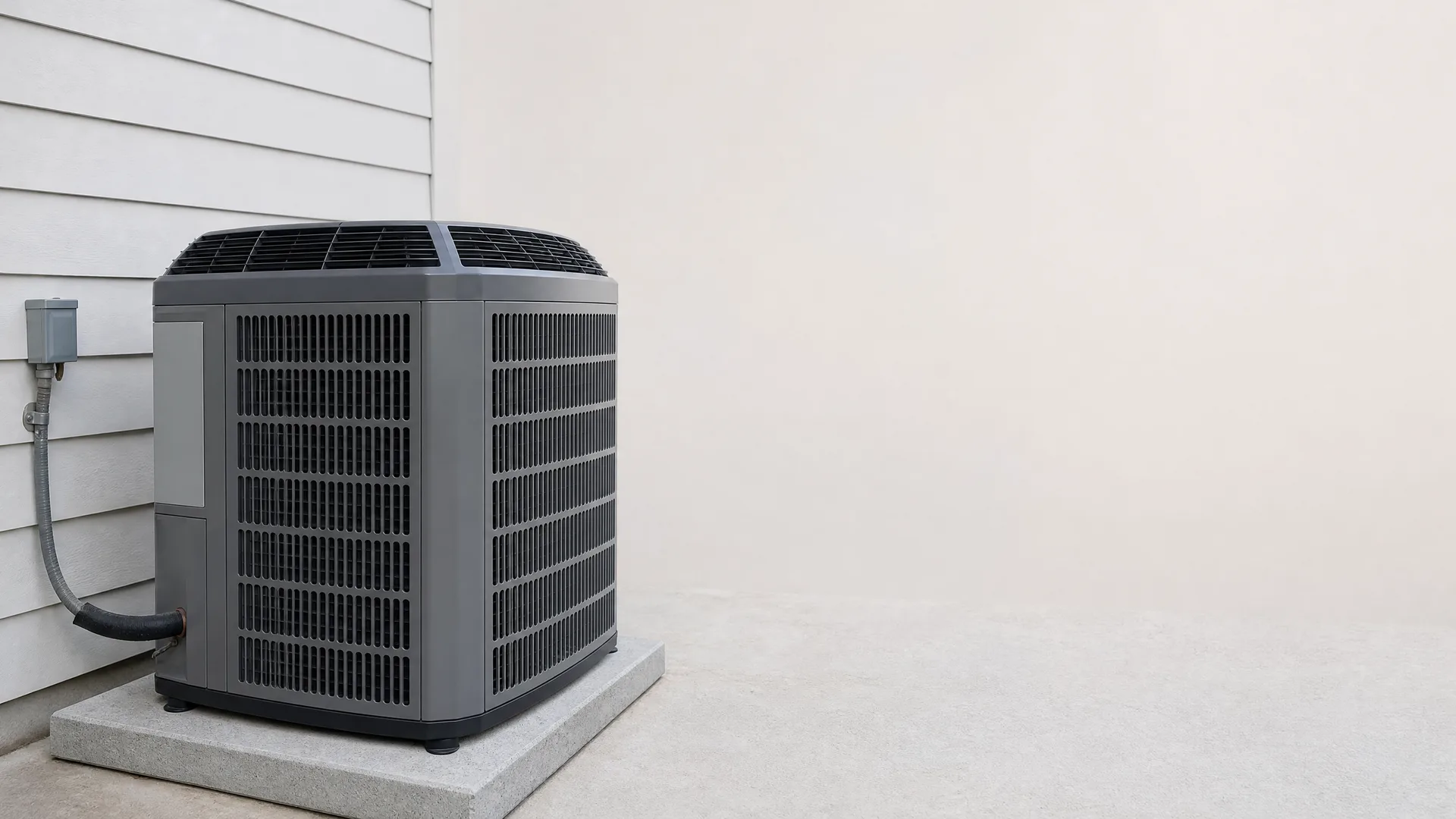
The thermostat is only the switch. What decides how long your AC runs is the gap between the heat piling into your house and the heat the system can move back out. On a hot Colorado afternoon that gap is wide, so the compressor stays on until it closes it. Dry air changes how the house feels, not how much heat is actually in it. You can feel comfortable on the couch with a fan going while the air itself is still warm, which is why the system keeps cycling even when nobody's sweating. Inside, refrigerant picks up heat from the air moving over the indoor coil. Outside, that same refrigerant has to dump the heat into the outdoor air through the condenser coil. When it's 95 degrees outside, there's less difference between the refrigerant and the outdoor air, so the heat doesn't transfer as fast and the compressor has to run longer to move the same amount of heat. Attics and ductwork sitting in that heat all day add to the load, so the system is still working against it even as the sun gets lower. A properly sized unit is built to run like this on the worst afternoons. What isn't normal is when a dirty filter is choking airflow or the refrigerant charge is low, because either one stretches a long cycle into one that barely stops.


Explain it one time

Your request goes to one pro, not a list of companies.
Sending the form costs nothing.
What dry air hides from you
Colorado's low humidity means a house can feel fine at 78 degrees because sweat evaporates so fast. That hides a system that's struggling. A unit sized and running right will still bring the house down to the setpoint before it shuts off. If it's cycling long past what the thermostat asked for, something's making it work harder than it should, a dirty coil, a weak capacitor, low refrigerant, and dry air won't tell you which.
What a normal cycle looks like
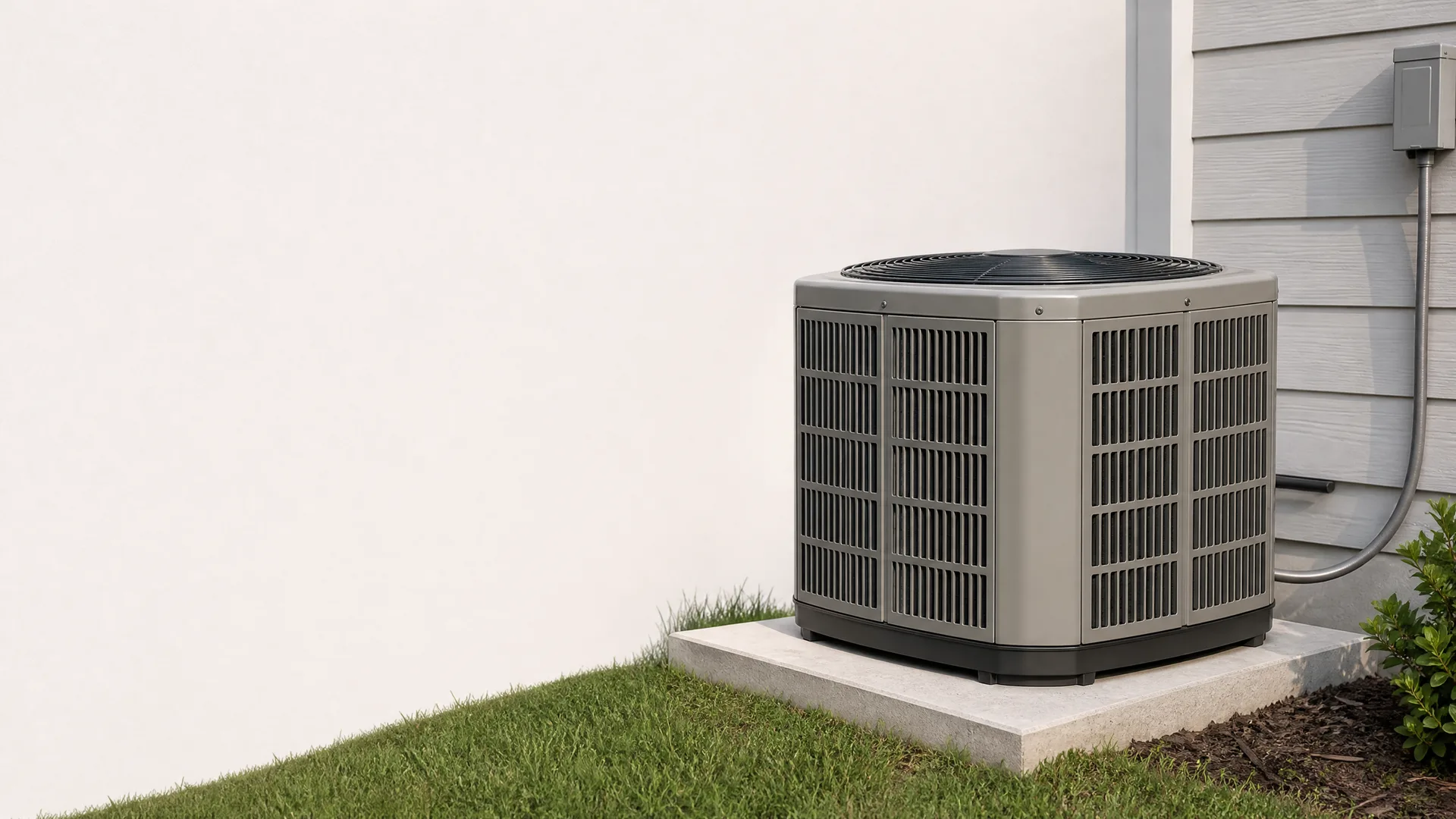
A properly working air conditioner in a Colorado summer still runs long stretches in the afternoon heat. That part is normal. What matters is whether it shuts off and stays off for a while once the house reaches the setpoint, even if that quiet stretch is short. A system that never gets there, that keeps running or restarts within a few minutes, is telling you it can't keep up with the heat it's supposed to be removing.
What is this doing to your house and your bill
Check the vents and some rooms are cold while others stay warm, because a system working this hard can't keep the air moving evenly anymore. The thermostat might show you've reached your setpoint, but the air coming out feels weaker than it used to. Your electric bill is higher than past summers even though you haven't changed the thermostat. Upstairs stays noticeably hotter than downstairs by afternoon. Left alone, a unit running like this puts more wear on the compressor and the parts around it than a system that cycles normally, and that raises the chances of a breakdown on the hottest day of the year, when you need it most.




Power costs 15.69 cents per kilowatt-hour statewide
At just under 16 cents a kilowatt-hour, a struggling AC costs you more the longer it runs each day. A unit cycling on and off all afternoon instead of shutting off clean is pulling power the whole time, and that shows up on next month's bill.
EIA-861 2025 statewide residential average
A healthy air conditioner in Colorado shuts off and rests once the house hits the setpoint. One that runs all afternoon without a break is telling you something in it isn't keeping up, whether that's a charge issue, a failing part, or a system that's been struggling longer than you've noticed. That's not something to guess at or wait out through another summer. A contractor who works on AC systems in this climate all season has seen this exact pattern plenty of times and knows what to check first. You'll be matched with one licensed, local contractor, not a handful of companies competing for the callback, so there's no sorting through quotes or explaining the problem over and over. Just someone who can look at your system, find what's actually wrong, and tell you straight what it needs.





Skip the calls to every shop
The pro who reaches out is licensed in Colorado.
You're not committing to anything by asking.