
Why your AC is running but not cooling in Colorado

RepairCentral ACColorado
Step 1 of 2

What ZIP code is the job in?

Why is my AC running but not cooling my house?

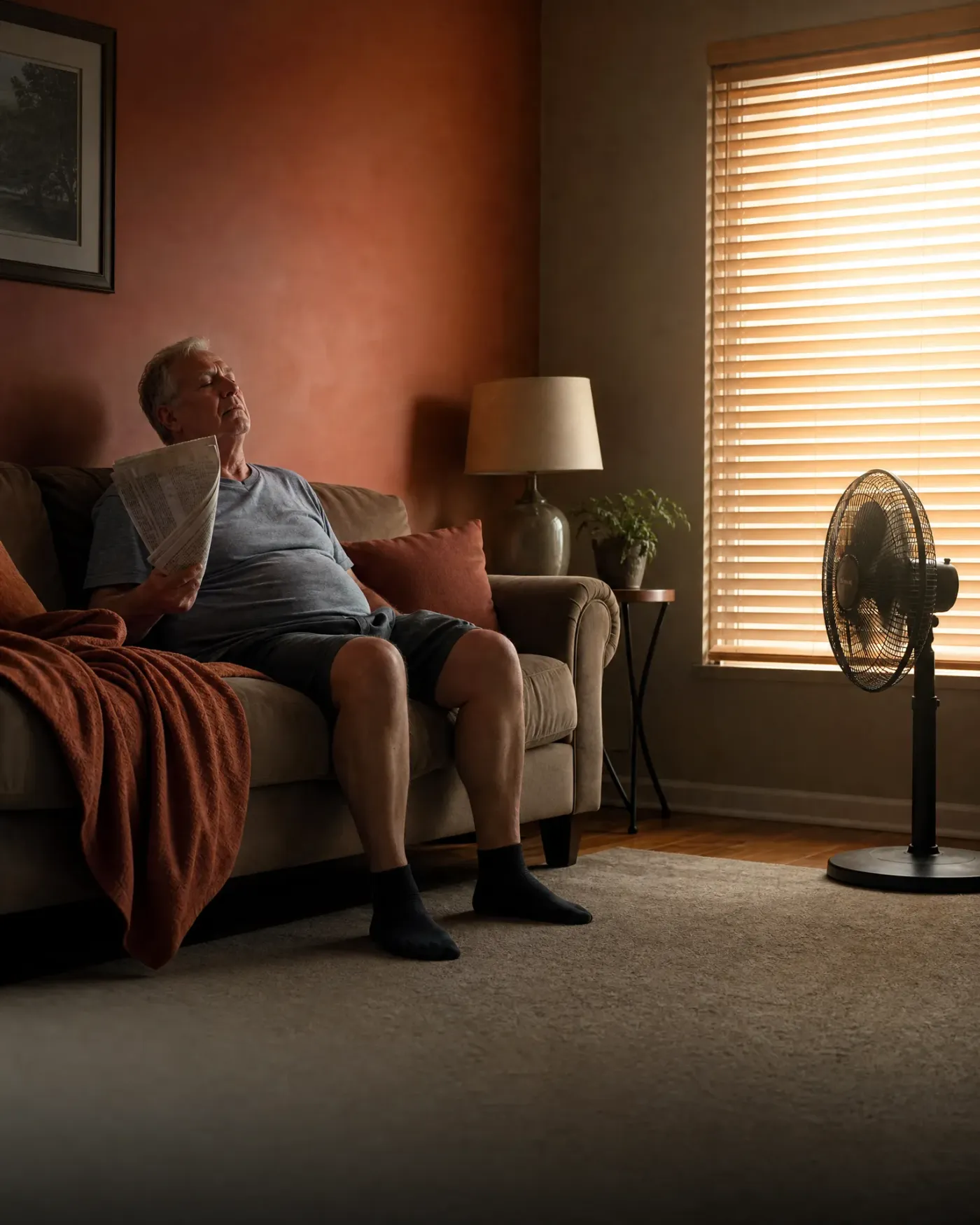
You can hear the unit running outside, the air coming through the vents, but the house just isn't getting any cooler. On a hot, dry Colorado afternoon that's worrying, especially when the thermostat keeps climbing and the system doesn't seem to be catching up no matter how long it runs.

The air conditioner is low on refrigerant or the airflow across the coil is blocked

A system that runs without cooling usually has one of two problems. Either it has lost some of its refrigerant charge and can't pull enough heat out of the air, or something is blocking airflow, a dirty filter, a coil caked with dust, or a blower that isn't moving enough air across it. With Colorado's dry air and dust, filters and coils tend to clog faster than they would somewhere humid, so that's often the simpler of the two to rule out first. A low charge means a leak somewhere in the line, and that doesn't fix itself or get better by running the system longer. Either way, the unit will keep running and the house will keep warming up until the actual cause gets found and corrected.

A gray outdoor air conditioner condenser unit on a concrete pad beside a house with dark horizontal siding and a stone base, surrounded by gravel, with a flowering shrub at left and a concrete walkway in front.

What normal looks like

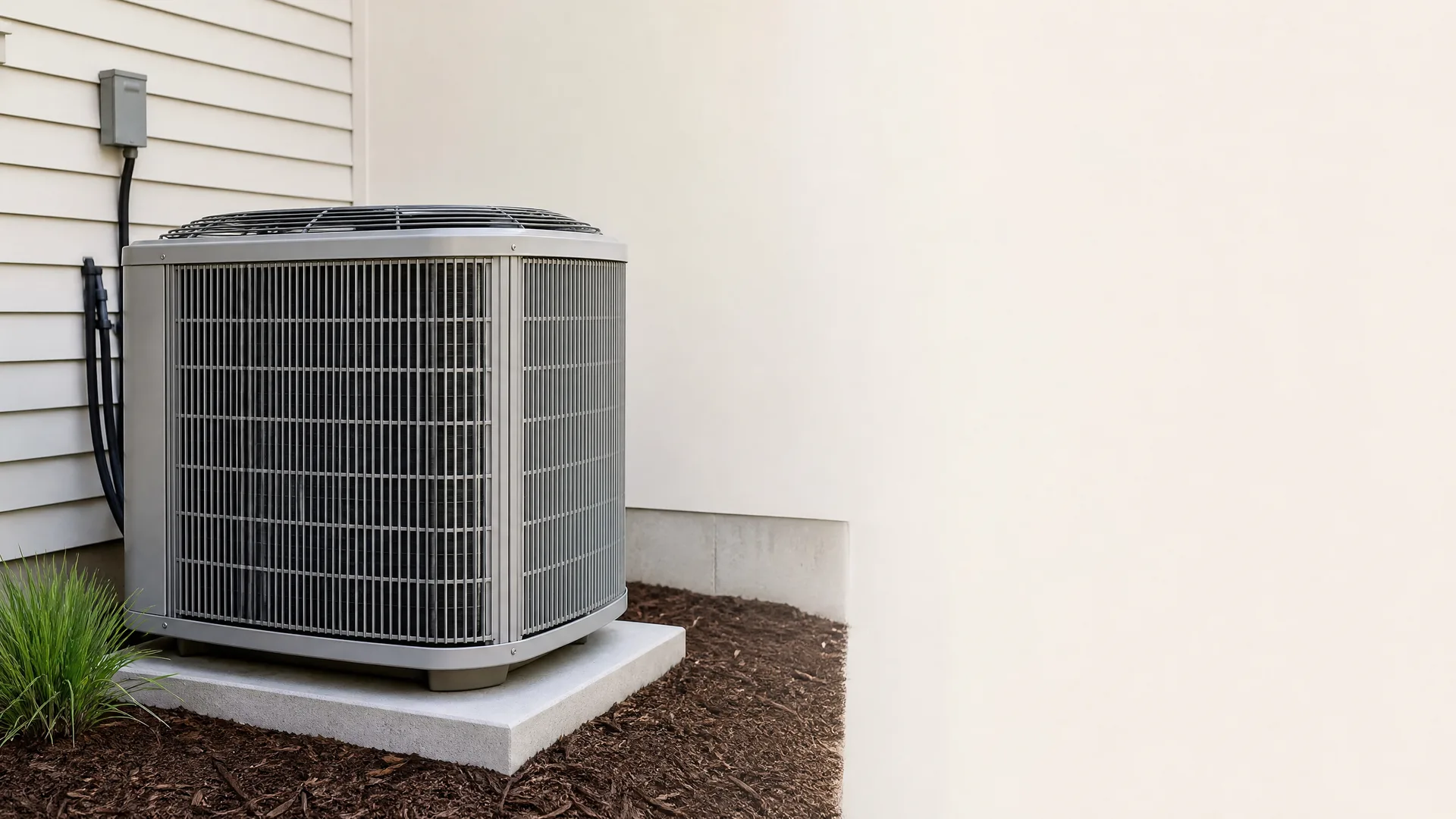
The unit cycles on, runs for a while, then shuts off once the house reaches temperature. The fins stay clean enough to see the coil behind them, and the pad around it is dry. Air coming out of the vents feels noticeably colder than the room.


An outdoor air conditioner condenser unit sits on a concrete pad beside a stucco wall, with refrigerant lines and conduit running to the wall and a shrub to the left.

What a struggling unit looks like

Grime has built up across the fins, so the coil underneath can't shed heat the way it needs to. A unit in this shape may run far longer than it should and still send warm air through the house. Left alone, it works harder for less result.

A woman stands in the open front doorway of a single-story house with a dark hipped roof and light siding, while a man in a navy jacket and cap is seen from behind in the foreground on the paved walkway.

What a warm house costs you here

A system that runs without cooling doesn't rest. It cycles longer trying to reach the thermostat setting, and on a hot, dry Colorado afternoon it may never get there. You'll notice it in the power bill before you notice anything else, since the compressor keeps pulling current the whole time it runs. Meanwhile the house sits ten or fifteen degrees warmer than you set it, and anyone home during the day feels that directly.

Left alone, the cause behind this usually doesn't fix itself. A low charge gets lower. A dirty coil stays dirty until it's cleaned. Some of these problems, if ignored long enough, put real strain on the compressor itself, which costs far more than the fix that was skipped. Rather than call around Colorado for someone who can look at your unit soon, answer a few questions about what you're seeing and get matched with a contractor who takes it from there.

Interior corner of a room with a dark upholstered sofa and textured cushion, a potted plant, sheer curtains at a multi-pane window showing blurred green and yellow trees, and a dark table holding a wooden tray with stacked coasters and a small ceramic vase.
A woman in a cream cowl-neck sweater sits by a window with snow outside, in a dimly lit living room with a sofa, lit lamp, mirror, candles and a fireplace.
A woman in a gray turtleneck sweater sits beside a large window looking out at snow-covered evergreen trees, in a dimly lit living room with a lit fireplace, lamps, couch and houseplant.
A woman in a cream turtleneck sweater stands beside a large window with snow-covered ground and bare trees outside, in a dimly lit living room with lamps, a sofa and framed art.
A woman in a grey cowl-neck sweater stands indoors near a window, looking out at falling snow, with a lamp, framed picture and couch in the warmly lit room behind her.

Is this something you should look into now

You've probably already checked the thermostat and the vents. Maybe you've swapped the filter or reset the breaker. If the air is still coming out warm, or barely cooler than the room, that's not something that fixes itself overnight. Leave it running like this through a Colorado heat wave and you're looking at higher power bills for a system that isn't doing its job, plus more wear on parts that are already struggling. If the air stops moving altogether or you hear a new sound from the outdoor unit, that's worth acting on before the next hot afternoon, not after.

An outdoor air conditioner condenser unit on a concrete pad beside a house with horizontal lap siding and a light stucco wall, surrounded by dark mulch and an ornamental grass.

Why low refrigerant stops cooling

The coil outside needs the right amount of refrigerant to pull heat out of your house. When a line has a leak, the charge drops below what the system needs, and the coil can't absorb heat the way it should. Air still moves through the vents because the blower keeps running, but it's just air, not cooled air. A low charge doesn't fix itself. It only gets lower as the leak continues.

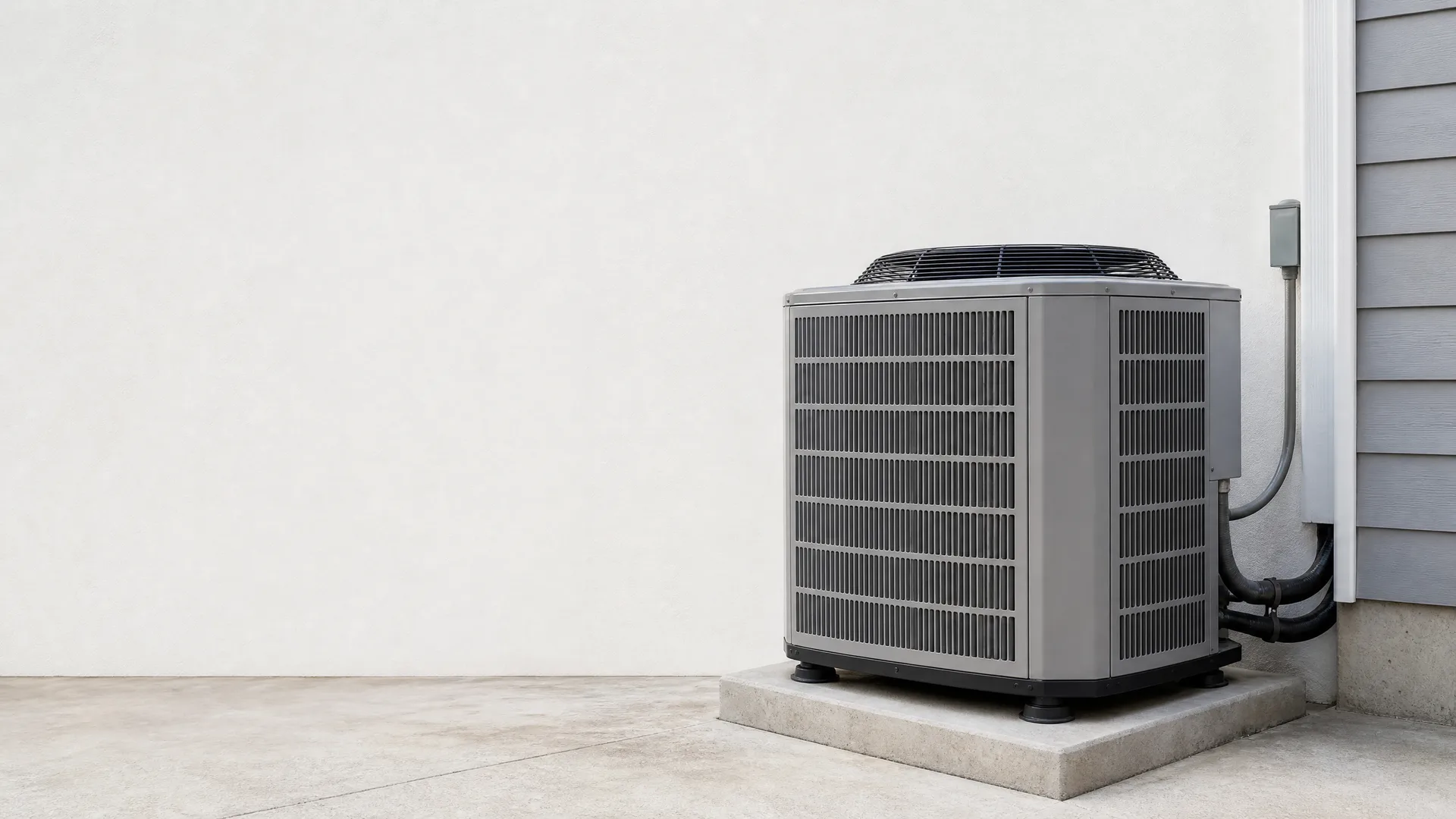
An outdoor air conditioning condenser unit on a concrete pad beside a light stucco wall, with a disconnect box and refrigerant lines running to adjacent lap siding.

What the compressor can't make up for

The compressor is what moves refrigerant through the system and makes the cooling happen. If it's weak or failing, it can still run and still make noise, so from inside the house everything sounds normal. But a compressor that isn't moving enough refrigerant can't pull much heat from the air passing over the coil. On a hot Colorado afternoon, a struggling compressor shows up fast, because there's more heat for it to move.

Power costs 15.69 cents per kilowatt-hour statewide

At 15.69 cents per kilowatt-hour, a system that runs and runs without actually cooling your house shows up fast on your bill. You're paying for every one of those long cycles whether the house ever reaches the temperature on the thermostat or not.

EIA-861 2025 statewide residential average

A dirty coil versus a blocked vent

A coil caked with dust and grass clippings can't pull heat out of the air moving over it, so the system runs long and the house stays warm. You'd see it if you looked, the fins matted gray or green instead of showing clean metal. A blocked vent is different. Furniture pushed against a register, or a door closed to a room, starves part of the house of airflow while the rest of it cools fine. Both end with warm rooms and a unit that won't quit, but one means the outdoor unit needs attention and the other means walking the house and checking what's covering the vents before anyone opens a panel.

A simple fix versus a real repair

Some of what stops a system from cooling takes minutes to find. A vent closed last winter and forgotten, a thermostat set to fan instead of auto, a breaker half tripped. Those don't need a part or a gauge, just someone who knows where to look. A failed capacitor, a refrigerant leak, a blower motor going out are different. Those need tools to diagnose and parts to fix, and guessing at them from the thermostat or the vents won't get you there. The system sounds the same from the living room either way. What it takes to put right is not the same at all.

An outdoor air conditioner condenser unit sits on a gray pad beside a light vinyl-sided wall, on a concrete slab next to a gravel bed.
Before you get your air conditioner repair
A gray outdoor air conditioner condenser unit on a concrete pad beside a house with horizontal lap siding, with a wall-mounted disconnect box and conduit, mulch bed, shrub, and lawn nearby.
After you get your air conditioner repair

A pro who works on air conditioners

You've already gone through the checklist. Thermostat, filter, breaker, maybe a look at the outdoor unit. What you haven't done is open it up and find the actual cause, whether that's a refrigerant leak, a coil packed with debris, or something electrical that needs a meter to find. That takes a license and the right gauges, not another afternoon of guessing. Finding someone to do it is its own chore: searching, calling a few places, describing the same symptoms over and over, then waiting to see which quote means anything. Every day spent on that is another day of long cycles and a bill that reflects them, in a Colorado summer that isn't going to ease up on its own. Hand off the search and get matched with a contractor suited to this specific problem, in this house, now.

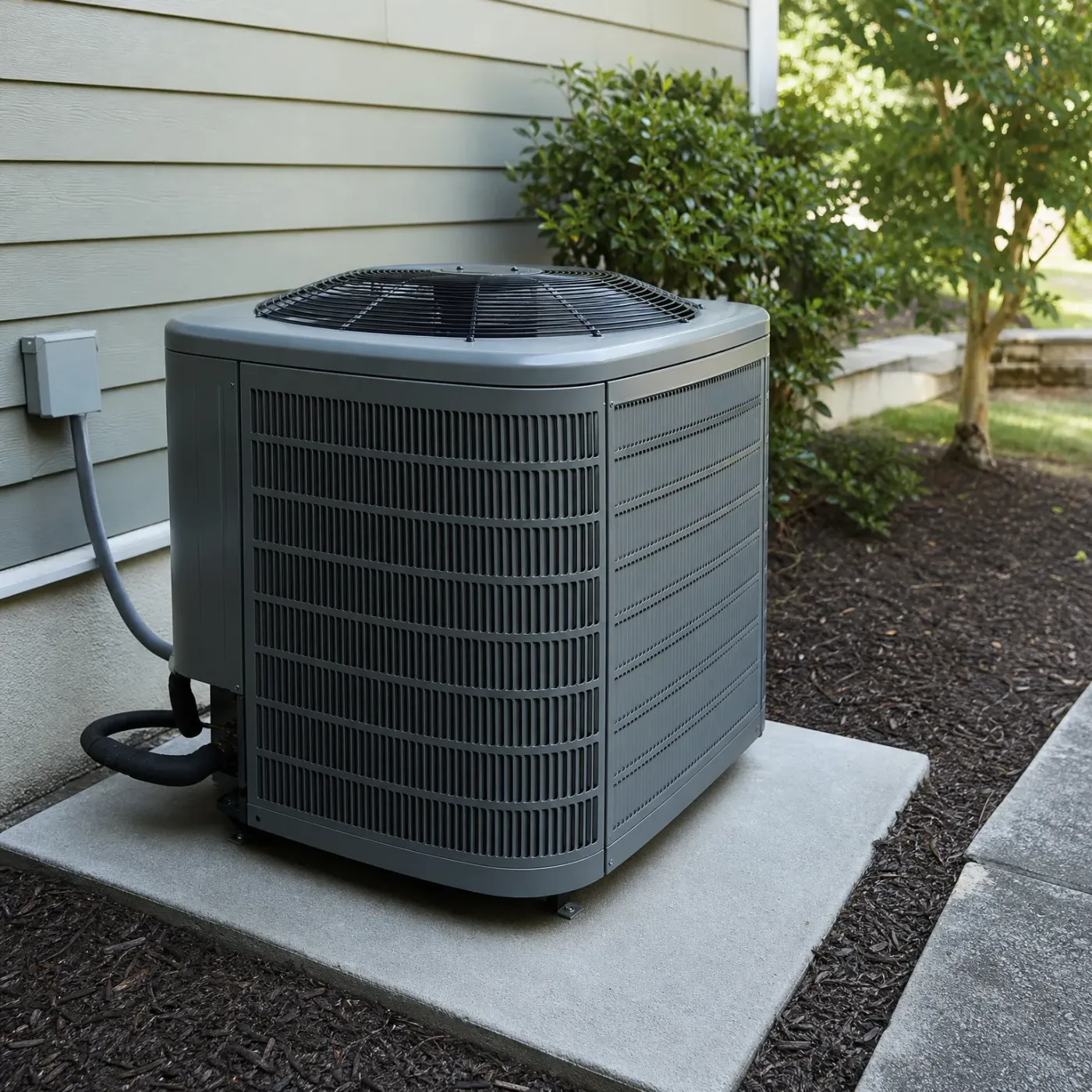
A gray outdoor air conditioner condenser unit sits on a concrete pad beside a house with horizontal lap siding, with conduit and an electrical disconnect box on the wall, dark mulch and a shrub to the left, and a concrete walkway in the foreground.

Running the way it should

The unit sits clean on its pad, lines and conduit running straight into the wall. Grilles are clear enough to see the fins behind them. A system like this pulls heat out of your house steadily, cycling off once the thermostat is satisfied.

An outdoor air conditioning condenser unit on a concrete pad beside a house with horizontal lap siding, with a shrub and mulch bed to the left and conduit and a small electrical box on the wall to the right.

Running but not helping

Dirt cakes the grilles and the metal shows its age. The lines still run to the disconnect box, but a coil this fouled can't move heat the way it needs to. The unit keeps running because the house never reaches temperature.

A bearded man in a plaid flannel shirt looks out a window at snow-covered conifer trees, with a steaming ceramic mug on the sill and wooden shelves holding dishes and a plant behind him.
A bearded man in a dark blue T-shirt sits on a gray couch, smiling and looking down to his left, with a bookshelf and a bright window behind him.
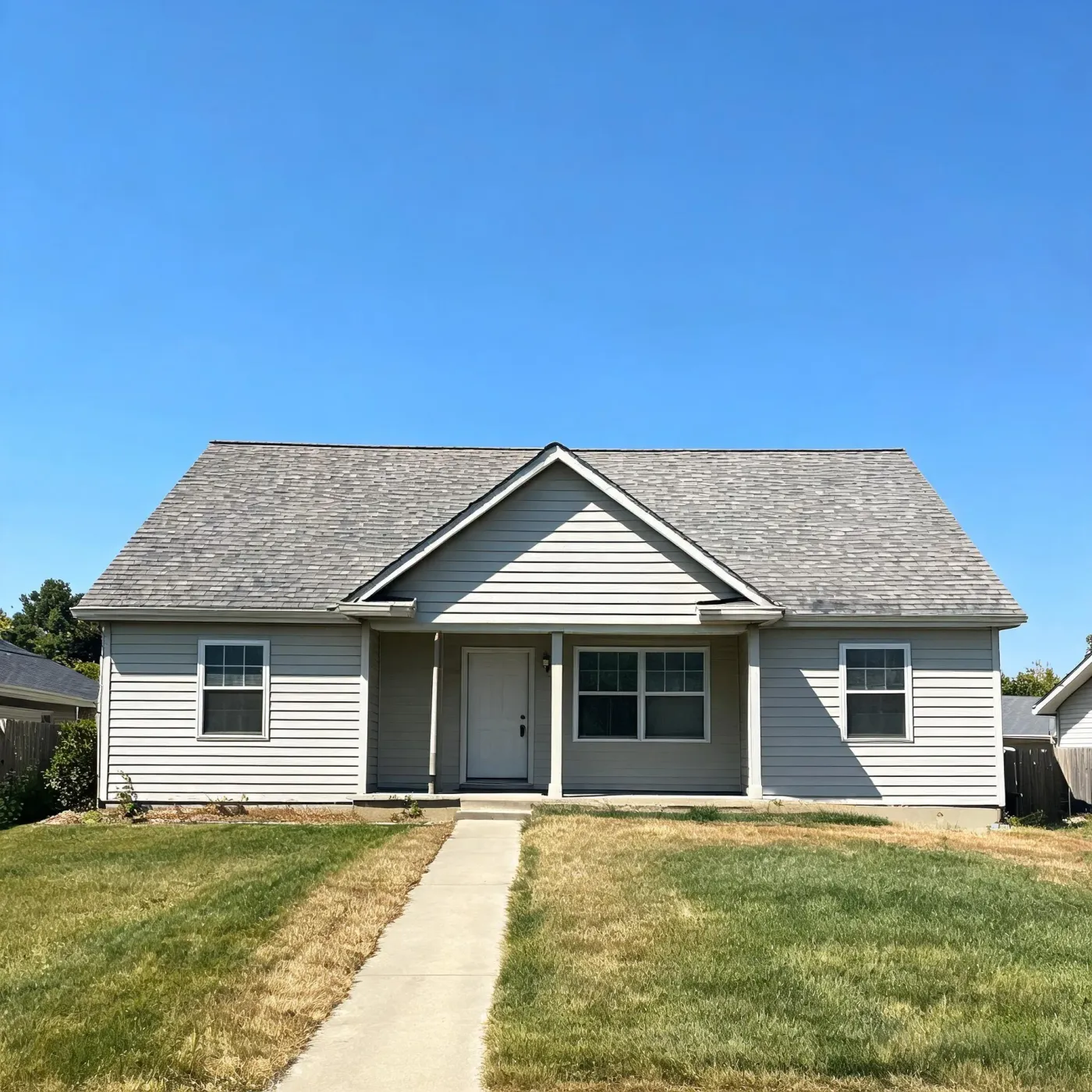
Single-story house with light gray horizontal siding, gray shingled roof, small front porch with square columns, and a concrete walkway crossing a partly dry lawn under a clear blue sky.

Colorado air is dry, and summer dew points here average 42°F across June, July and August, according to NOAA climate data. That's air your air conditioner should be able to wring the heat out of without much trouble. So when the unit is running and the house still isn't cooling down, dry air isn't the excuse. In a muggy state, warm air blowing from the vents might get blamed on humidity the system can't keep up with. Here, that reason doesn't hold. Something inside the system, low refrigerant, a blocked coil, a failing part, is the reason the air isn't cold, and the dry climate isn't masking it.

NASA POWER T2MDEW county cells weighted by homes

Fix It Now or Wait It Out

Fix it now

  • A small repair now, like a topped off charge or a cleaned coil, usually costs less than letting the system run hot for weeks.
  • You catch the cause while it's still one thing, a failing capacitor or a low charge, instead of that strain pulling down the compressor too.
  • The house gets back to actually cooling instead of just running, so the long cycles that show up on your power bill stop.
  • A contractor can diagnose the specific cause, whether that's refrigerant, airflow, or an electrical part, instead of you guessing at it yourself.
  • Getting matched with a contractor means you skip calling around, explaining the same problem twice, and sorting through quotes on your own.

Wait and see

  • The unit keeps running without cooling, so the compressor keeps working against a problem that isn't going away on its own.
  • Every day it runs this way is another day of that same long cycling showing up on your electric bill.
  • If the cause is a refrigerant leak, waiting doesn't fix a leak, the charge only gets lower and the coil keeps struggling.
  • A dirty coil or blocked airflow problem tends to get worse, not better, the longer dust and debris sit there.
  • You'll still have to track down a contractor and explain the problem eventually, just after more time spent on a house that isn't cooling.
  1. Refrigerant in the outdoor coil absorbs heat from the air passing over it.

  2. The compressor pressurizes that refrigerant and sends it inside as a hot gas.

  3. Inside, the indoor coil releases that heat as refrigerant turns back to liquid.

  4. A blower pushes air over the cold coil and into your ducts.

An air conditioner running without cooling the house almost always comes down to one of a few things: a refrigerant leak, a coil that can't shed heat because it's packed with dirt, or an electrical part failing under the strain of a Colorado summer. None of those get better by waiting through another hot afternoon. You could spend your evening searching for a contractor, calling a few, explaining the same symptoms each time, then sitting with quotes trying to figure out who's worth trusting. Or you could skip all of that and get matched with a licensed contractor who knows this equipment, one who will reach out to you directly about what you're dealing with. Your house stays warm either way until someone opens up that unit and finds the actual cause. The difference is whether you spend the next few hours chasing down help or let that part take care of itself.

A gray outdoor air conditioner condenser unit on a concrete pad beside a house with horizontal lap siding, with refrigerant lines, an electrical disconnect box on the wall, shrubs and mulch nearby.

Get your air conditioner to the right pro

Get a local pro

Skip searching for an air conditioner pro and answer a few questions instead.

There's no charge for the request.