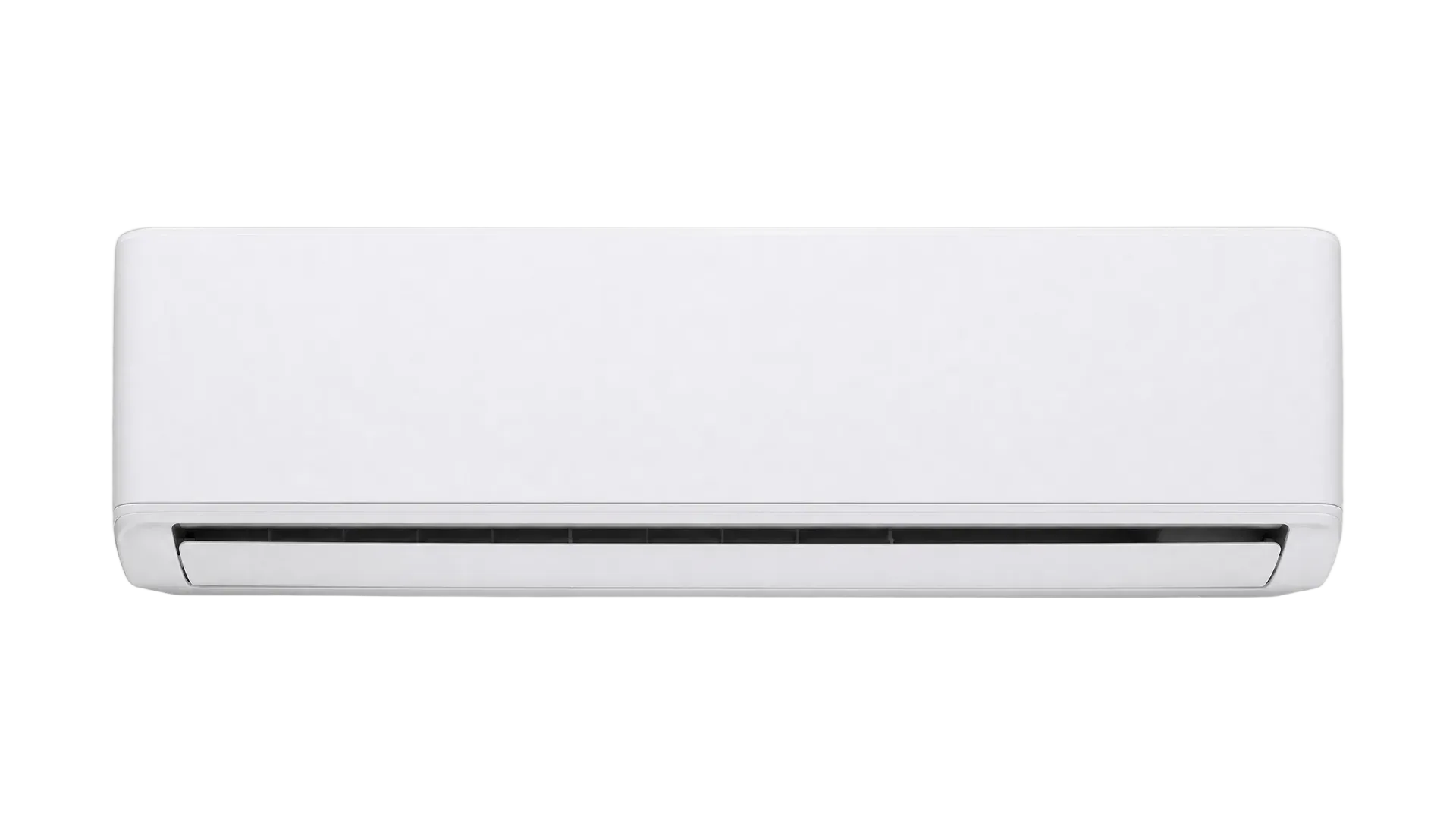
One head, placed and sized right
This head covers the room it's in. The air feels dry and even, no clatter from a grille, no cold spot by one wall and warm air by another. That's what correct sizing and placement looks like day to day.
A single mini split can cool a whole Colorado home if it's sized and placed for the house, usually with more than one indoor head feeding different rooms. One wall unit in the living room will cool that room well and leave the bedrooms warm, because it has no way to push air down a hallway or through a closed door. Colorado summers run hot and dry, so the load on the system comes from sun through windows and heat soaked into the walls more than from humidity, and that changes where heads need to go and how big each one needs to be. Since most homes here heat with gas, a mini split taking on whole-house cooling is often doing a job the house's existing ductwork was never asked to do. Getting it right means a room by room look at the house, not just a unit mounted where the old system's thermostat used to be.


One outdoor condenser can feed several indoor heads at once, and that's what lets a mini split handle a whole house instead of one room. Each head has its own thermostat. That means the bedroom can run cold overnight while the kitchen stays warmer during the day, no ductwork carrying one setting through the whole place. The compressor outside isn't running at a fixed speed. It ramps up or down based on how many heads are calling for cooling at any given moment, which is part of why these systems handle a house with several rooms running different loads. Colorado's dry air actually helps here, since part of how a mini split cools is by pulling moisture out of the air passing through the indoor head. Where each head gets mounted matters too. One aimed down a hallway moves air differently than one aimed across an open living room. That's why sizing isn't just about total capacity. A contractor works out the load room by room, which is what tells you how many heads the house actually needs and where they belong.


One installer gets your project, so there's no bidding war over it.
Get in touch with a local installer about a new mini split.
There's no charge for the request.





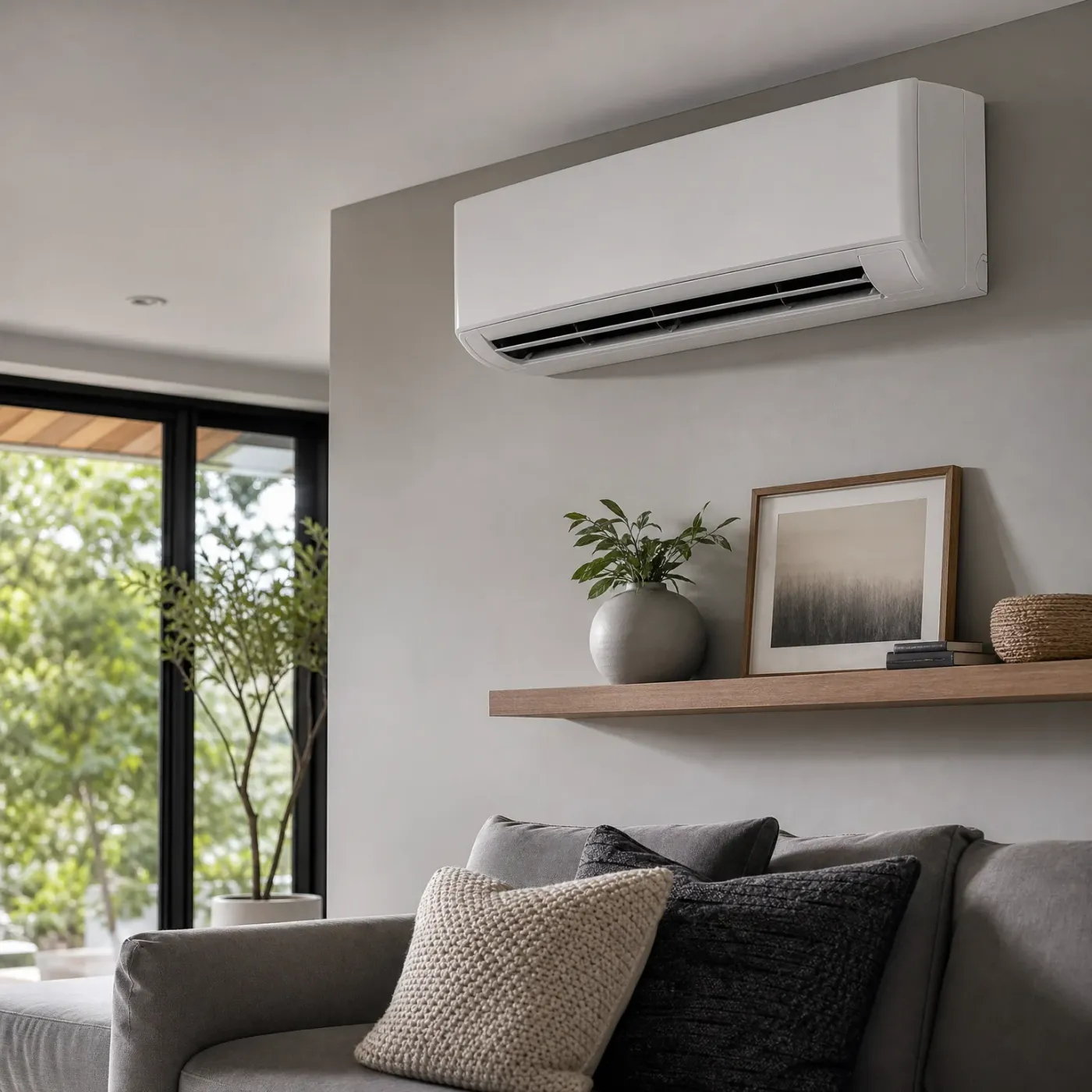
This head covers the room it's in. The air feels dry and even, no clatter from a grille, no cold spot by one wall and warm air by another. That's what correct sizing and placement looks like day to day.

Dust and grime build up on the vents and casing when a mini split goes years without a look. Airflow drops, the room it's supposed to cool runs warmer than it should, and the unit works harder for less.
That rate applies to every kilowatt a mini split pulls, so what you pay to cool the house comes down to how well it's sized. A unit matched to your home's heat load, with heads placed where the rooms need them, cools without running longer than it has to. One that's oversized or badly placed cycles more and costs you more at that same rate.
EIA-861 2025 statewide residential average

A head placed like this one, clear of the window and matched to the room, keeps pulling dry, even air through a Colorado summer without strain. Dust doesn't build up fast when the filter isn't working overtime to cover more square footage than it was sized for.

A coil this dusty is usually working harder than it should, often because it's the only head trying to cool rooms beyond the one it's in. Airflow drops, the coil stays wet longer between cycles, and dust sticks to it faster than normal.

It comes down to sizing and placement. One outdoor unit, enough indoor heads to cover the rooms you actually use, and a load calculation that matches the equipment to your house instead of a guess. Get that right and a mini split handles a Colorado summer room by room, with no part of the house left out.
Getting the sizing right from the start is harder from a search bar than it is from inside your house. A local contractor who installs these systems through Colorado summers knows how homes here lose and gain heat, and what layouts call for two heads instead of three. Asking for a quote connects you with one, licensed and local, who can look at your place and tell you what it actually needs.


Matched to your mini split job



