Running right
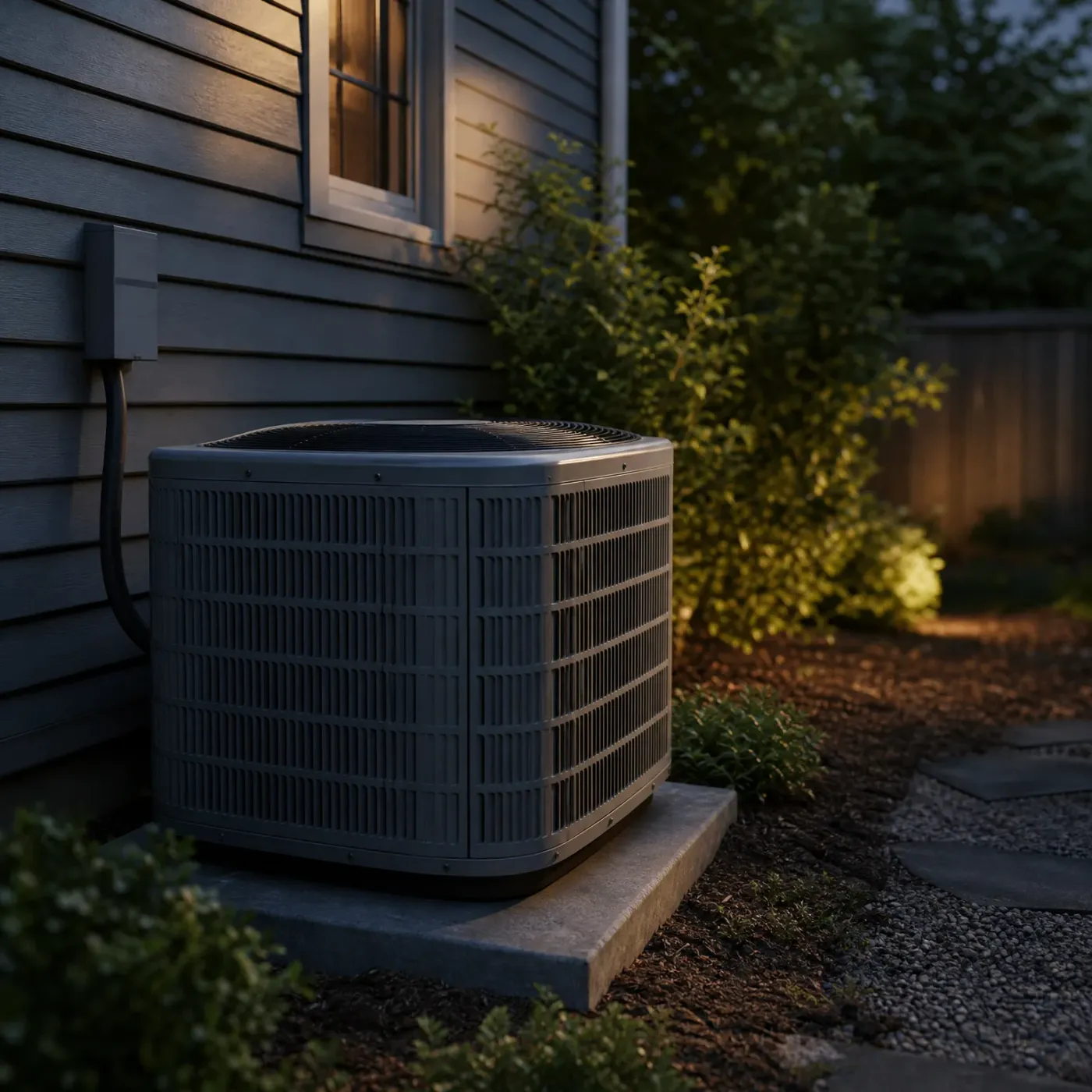
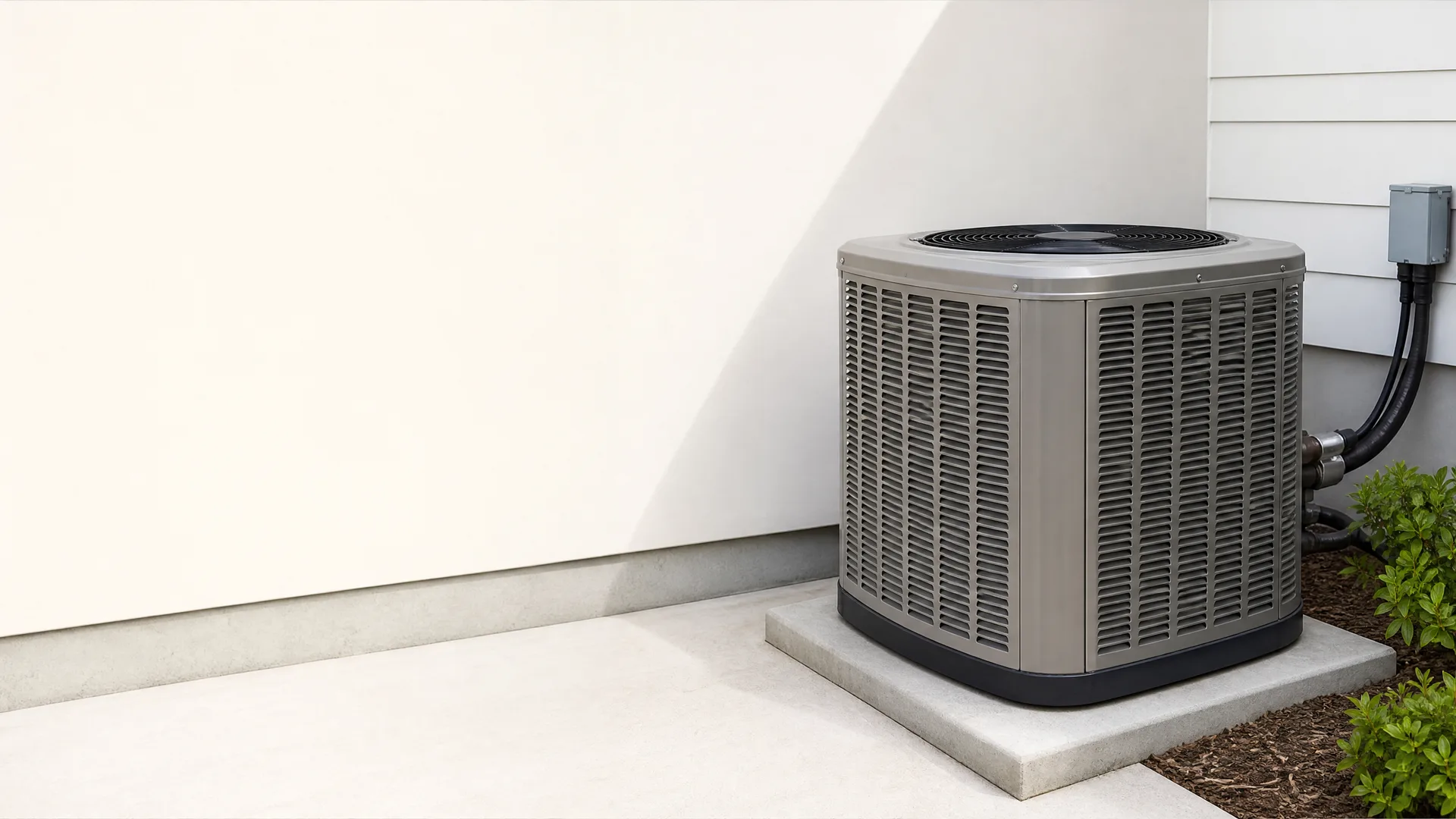
This is what the unit looks like when it's keeping up. The cabinet is clean, the fan spins free, and no ice shows anywhere on the lines or the coil underneath. Air coming off it feels cold at the vents inside.
Get matched with an air conditioner pro in Adams County
A frozen AC in dry Thornton heat usually means something is blocking airflow or the system is low on refrigerant, and running it while it's frozen can hurt the compressor. Here's how to tell what's going on and what to do before it gets worse. Once you know, you can get matched with a contractor who'll follow up directly.
Find an air conditioner proA frozen AC means ice has built up on the coil inside, the part that's supposed to pull heat out of your air. That ice forms when something cuts down the airflow across it, a clogged filter, dirty coil, or blocked vents are the usual reasons, and sometimes it's a refrigerant leak instead. Once the coil gets cold enough, moisture in the air freezes right onto it, and the layer of ice just keeps the coil colder, so the problem builds on itself. In Thornton's dry summer heat, people often keep running the unit because the house still feels warm, not realizing the system is struggling to move air at all. The longer it runs frozen, the more strain it puts on the compressor, which is the expensive part to replace. Turning the system off and letting the ice melt is the first real step. What's underneath, a dirty filter or a refrigerant leak, decides what happens next.
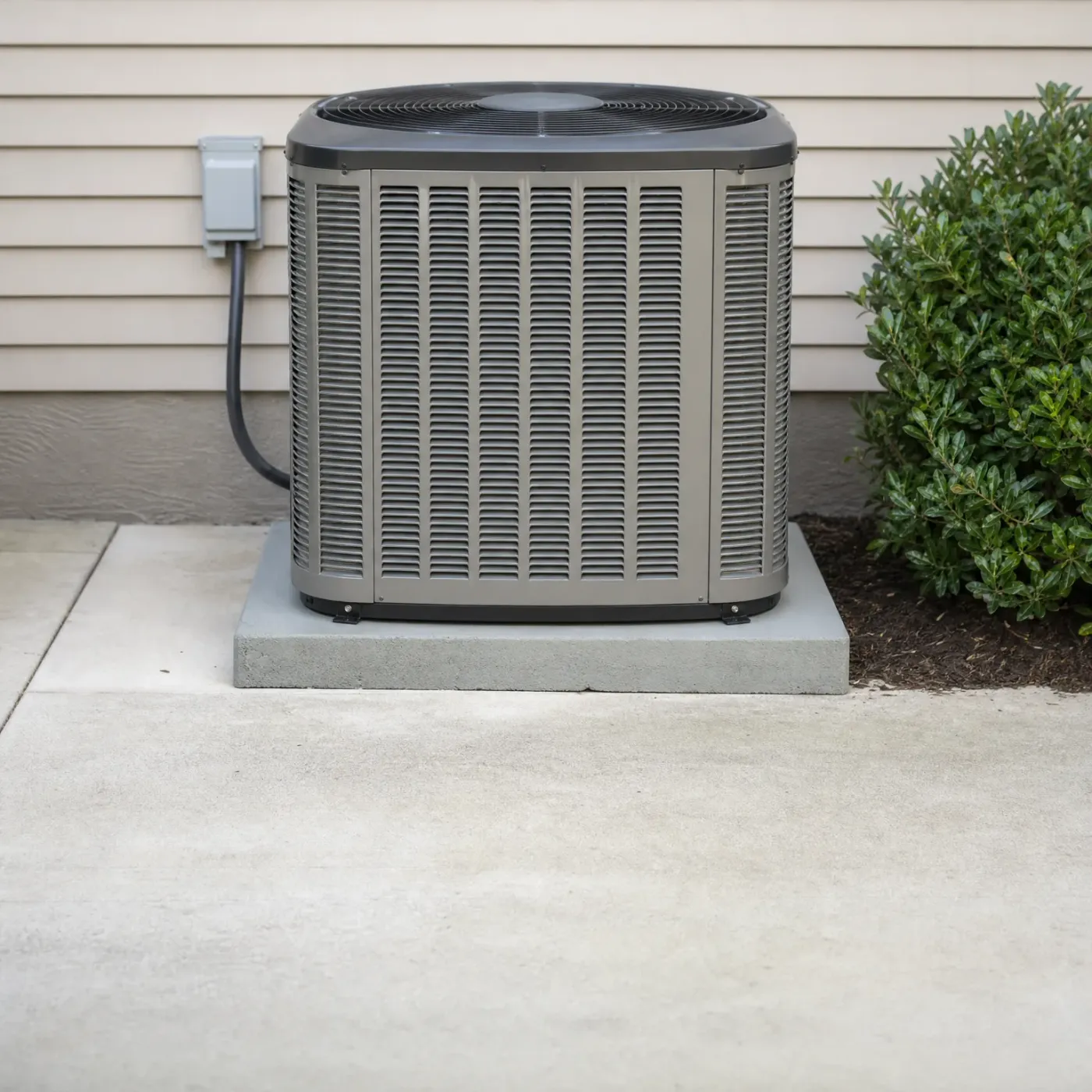
This is what the unit looks like when it's keeping up. The cabinet is clean, the fan spins free, and no ice shows anywhere on the lines or the coil underneath. Air coming off it feels cold at the vents inside.
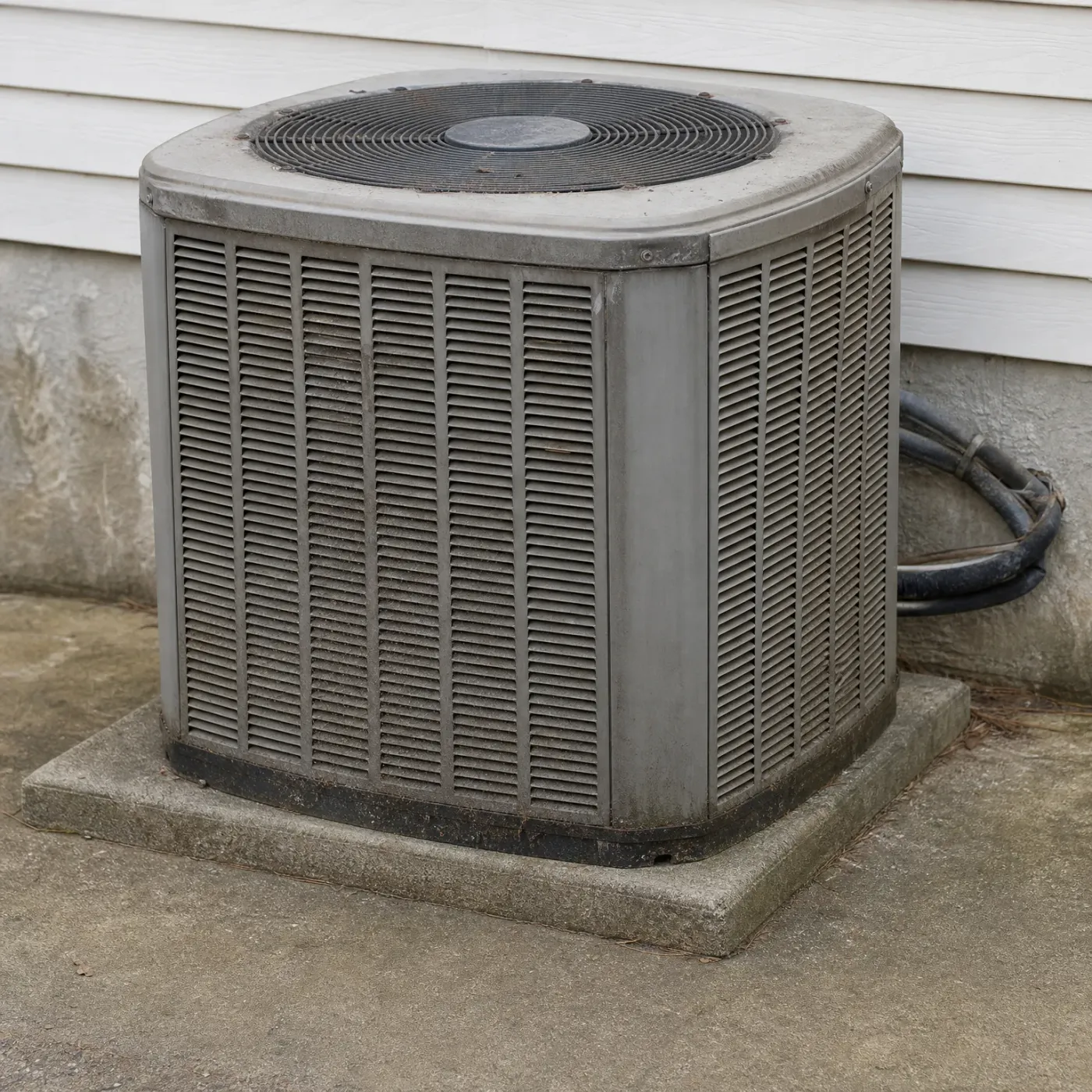
Dirt has built up across the louvered panels and the top grille, and the coil underneath can't pull heat out of the air the way it should. Once airflow drops enough, ice forms on the coil and the lines at the back will often feel wet or frosted instead of just cool.
You just want to know what caused this, not just how to fix the ice this one time. If you don't know why it froze, there's nothing stopping it from happening again next week once the coil thaws and the unit starts running.
The coil inside your unit has to stay above freezing to work right. It only drops below that when something changes on one side of it. Either less air is reaching it, usually a dirty filter, a dirty coil, or vents and returns that are closed or blocked around the house, or the refrigerant charge is low, which usually means a leak somewhere in the line. Thornton's dry heat means the system runs long stretches on hot afternoons, and a filter that was fine in spring can be choked with dust by July. A low charge won't fix itself and gets worse over time, so if this isn't the first time it's frozen, that's the more likely reason.
The coil inside your air handler stays cold enough to freeze water the moment air moves across it too slowly. A full blower's worth of warm house air is what keeps that coil above freezing while it pulls the heat out. Cut that airflow with a clogged filter or a dirty coil surface and the same cold refrigerant that normally cools your air starts freezing the moisture on the coil instead. Once ice forms, it blocks even more airflow, so the problem builds on itself until the whole coil is wrapped.
A system low on refrigerant drops the pressure inside the coil lower than it should run. That lower pressure pulls the coil's temperature down below freezing even with normal airflow passing over it. Refrigerant doesn't get used up the way fuel does, so a system that's low has a leak somewhere in the lines or coil. That's a sealed-system repair, not something to top off and forget, since the same leak keeps lowering the charge until it freezes again.
Warm air coming out of the vents instead of cold is usually the first thing you catch, sometimes with the fan still running like nothing's wrong. Look at the unit outside and you might see ice on the copper lines, or water pooling underneath it as that ice melts. Inside, the return vents may feel like they're barely pulling air at all. If the thermostat's been set low for hours with no change in the house, that's the coil working against ice instead of your air. Keep running it like this and you risk pushing the compressor past what it's built to handle, and that's the expensive part to replace.




Send the request today and stop worrying about who to call.
No charge to send it. You decide if you hire them.

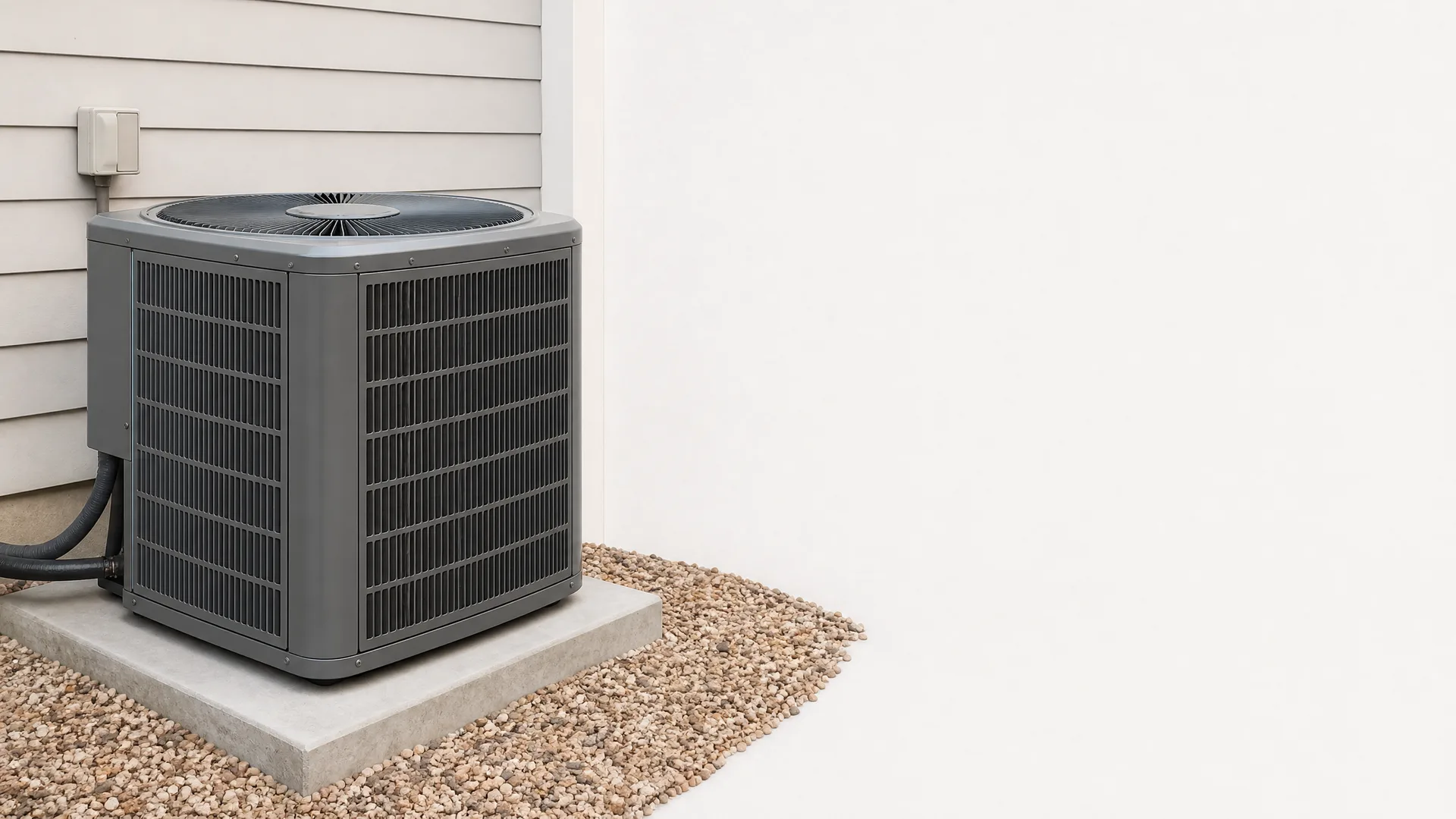
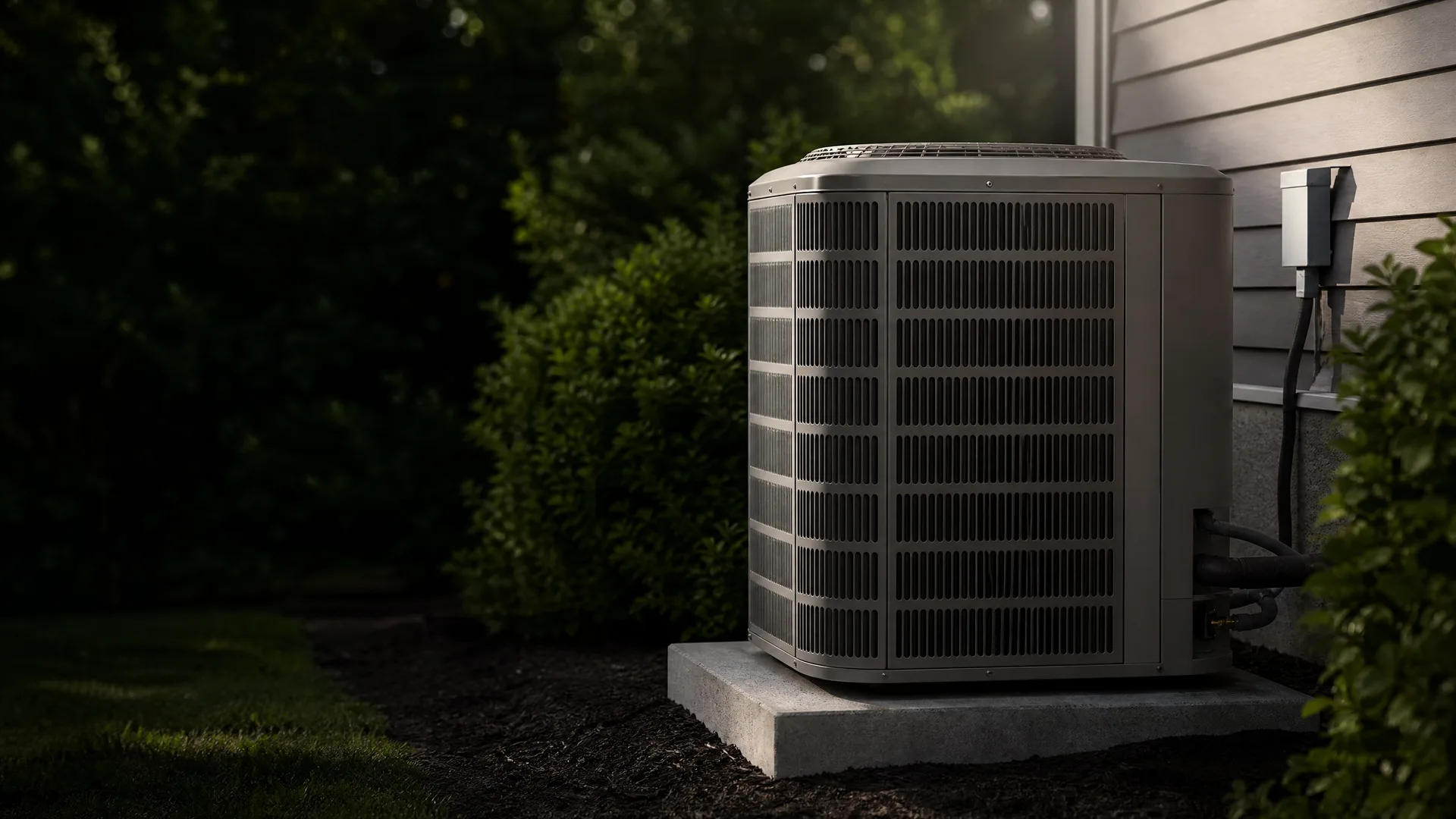
This is a healthy setup. The pad is clear, the fins are clean, and the line running to the disconnect box isn't coated in ice or sweating. Air moves through it the way it should, so the coil inside stays above freezing and keeps pulling heat out of your house.

Years of dirt packed into the fins choke off airflow before the air ever reaches the coil. An older unit like this one has to work through that buildup just to move air, and once airflow drops enough, the refrigerant lines start icing instead of cooling your home.


Turning the thermostat down won't pull more cold air out of a frozen coil. The compressor keeps running against the same blocked airflow, so nothing changes except the ice gets thicker. A refrigerant leak can cause the same freeze even when the filter's clean and every vent in the house is open, because low pressure inside the coil drops its temperature below freezing on its own. The blower motor matters just as much as the filter. If it slows down or fails, airflow across the coil drops the same way it would behind a clogged filter, and ice builds either way. Once that ice forms, it works like a layer of insulation. The coil underneath gets colder, and the ice spreads instead of melting off by itself. Left running too long in that state, liquid refrigerant can reach the compressor and damage it. A technician sorts out which of these is happening by checking refrigerant pressure with gauges and measuring airflow at the vents before touching anything else.



Air in Thornton feels dry most summer afternoons, but the Adams County average tells a different story once you look at dew point instead of just humidity on a given day. Summer dew point here averages 44°F, according to NOAA climate data, which counts as comfortable, dry air most of the time. That matters for a frozen coil because dry air isn't what's freezing it. If your system ices up here, moisture in the air isn't the cause the way it might be somewhere muggier. Something else is cutting the airflow, a dirty filter, a blocked vent, a coil caked with dust, and that's where to look first.
NASA POWER T2MDEW


With cooling only running three months a year here, June through August, a frozen coil during that stretch costs you most of the summer's comfort in one shot. There's no slow season left to put off the fix once ice shows up on the lines.
NOAA nClimDiv 1991-2020

Ice on the coil means something cut off its airflow or the refrigerant charge dropped low. Shut the system off, let the fan run if it will, and give it time to thaw before anyone touches it again. That part you can do tonight.
Finding out which of the two caused it, and fixing that part, is a different job. A contractor who works on these units in Thornton can look at the filter, the coil, and the charge and tell you which one failed. Once you send the request, that search is off your plate. A contractor who covers your part of Adams County will reach out to you directly, and you can go back to just keeping the house cool.

An air conditioner pro near you