Running the way it should
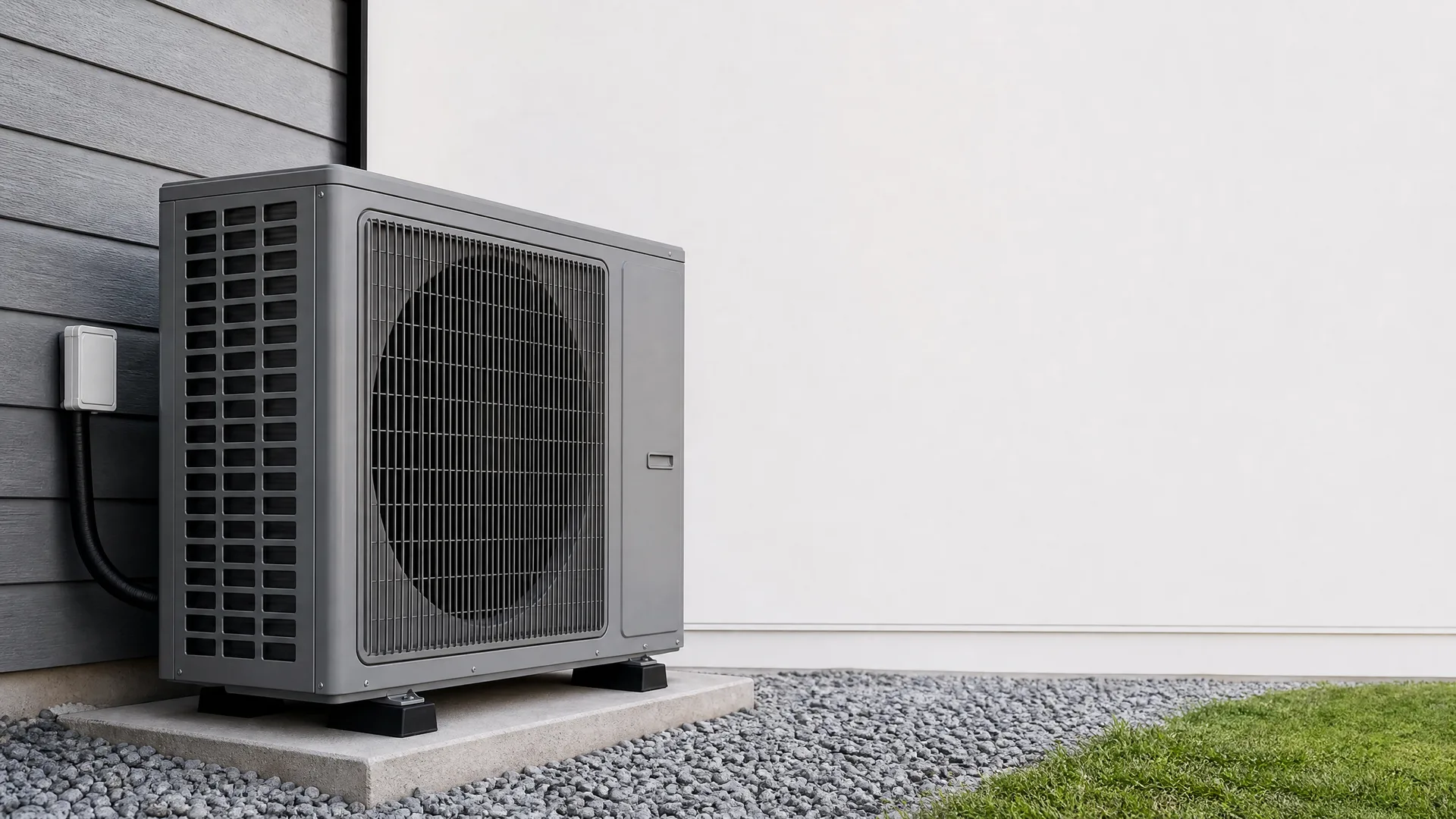
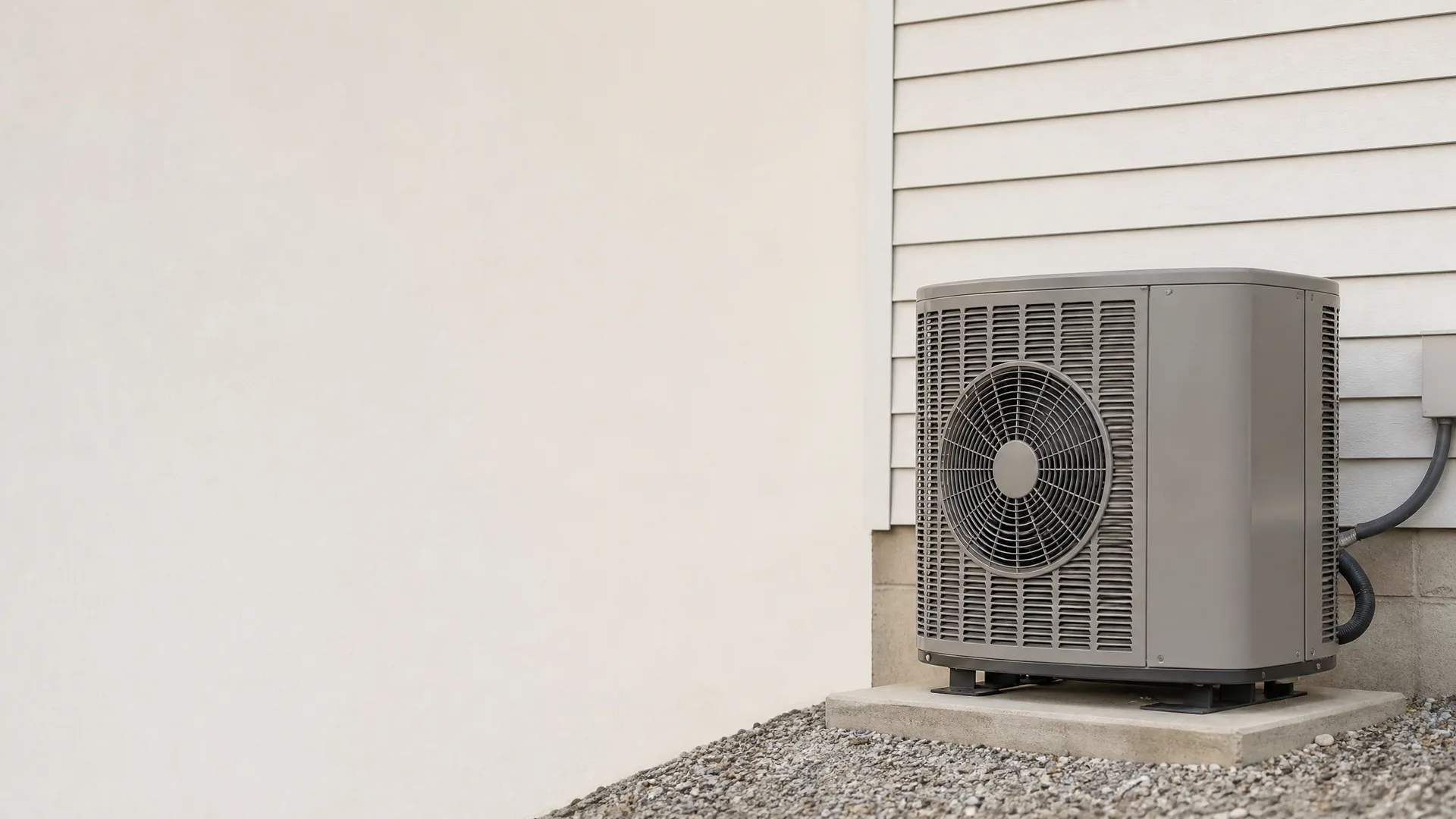
This is what a heat pump looks like when it's pulling heat from outside air on its own, no strain, no backup heat kicked in. The outdoor fan runs, the coil stays clear, and the disconnect box sits untouched beside it.
You went to check the thermostat and found it set to emergency heat, a setting you didn't choose. In Castle Rock that switch usually happens on its own, not by accident, and it's worth knowing why before you touch anything. Winters here push heat pumps hard, and this is one of the ways the system tells you something isn't working the way it should.
A heat pump moves to emergency heat on its own when the outdoor unit can't pull enough heat from the air, usually because it's iced over, the compressor has quit, or a breaker tripped. The thermostat senses the indoor temperature falling behind the setpoint and switches to the backup heat strip to keep the house warm while the outdoor unit sits idle. On a hard Douglas County winter night, this can also happen if the outdoor coil freezes faster than the defrost cycle clears it. Emergency heat works, but it runs on electric resistance heat alone, with none of the help the outdoor unit normally provides, so it costs more to run for as long as it stays in that mode.
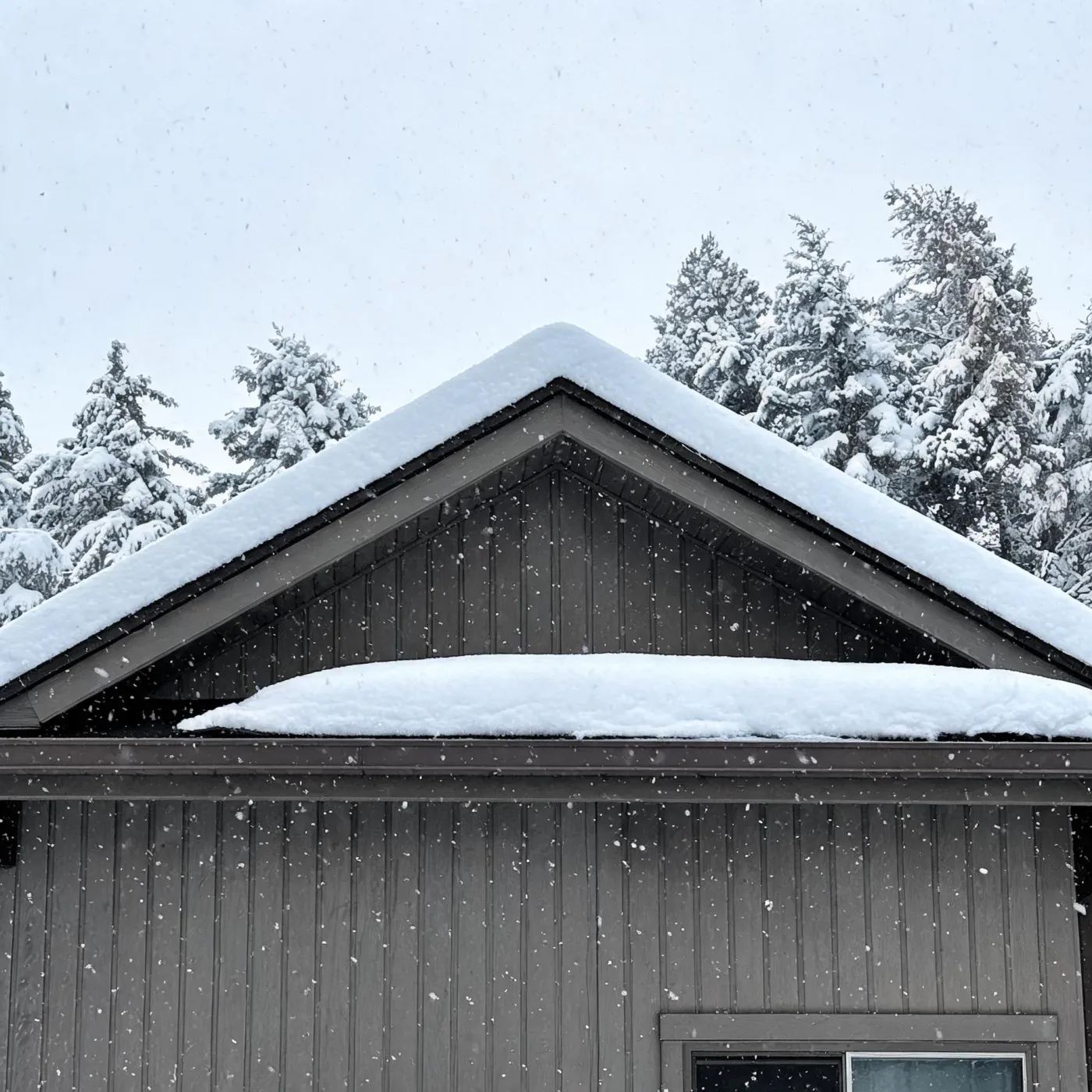
Winter nights in Douglas County average 17°F, according to NOAA climate data, and that's cold enough to push a heat pump past what it can pull from outside air. Below a certain point, the outdoor coil can't gather heat fast enough to keep up with the house, so the system leans on backup heat strips or switches over to emergency heat on its own to keep the air warm. If yours is stuck there now, a 17-degree night is exactly the kind of cold that trips it. You'd notice the furnace or backup heat running longer and harder than usual, and a higher bill behind it.
NOAA nClimDiv 1991-2020
You've probably noticed the air coming from the vents feels warmer than usual, almost hot, and it doesn't cycle off the way it normally does. The outdoor unit may have gone quiet too, with no fan noise at all. That's the emergency heat strip doing all the work instead of the heat pump. It can heat the house, but it costs more to run than the heat pump does, and left alone through a Douglas County winter it shows up on the power bill fast. If the switch happened on its own and nobody reset it, something told the system to stop relying on the outdoor unit, and that's worth finding before the next cold snap.
A defrost cycle that won't finish, a frozen outdoor coil, a failed sensor, a thermostat board losing communication with the outdoor unit. Any of these can trip the system into emergency heat without anyone touching the thermostat. It's the control board protecting the compressor, not a setting you need to leave alone out of caution. Left alone, the underlying fault doesn't fix itself, and the house stays on backup heat until a technician finds what tripped it.
Emergency heat exists for the nights your heat pump can't run at all, not as a long-term way to stay warm. It uses electric resistance heat, strip heat built into the air handler, to warm the house without the outdoor unit doing any work. That's a different cost than your heat pump's normal operation, and it's not designed to carry a Douglas County winter on its own for days at a time. The longer it runs, the longer the actual problem sits undiagnosed.
Winter nights average 17°F
Winter nights here average 17°F, and that's well below the point where a heat pump can still pull enough heat from outside air to keep the house warm on its own.
Heat runs September through May
Heat runs September through May in Douglas County, nine months where the outdoor unit works hard and has that many more chances to ice up, miscommunicate with the thermostat, or trip into backup heat.
Cooling runs July through July
Cooling only runs in July here, so the outdoor unit spends most of the year on heating duty, meaning any defrost or sensor fault shows up as emergency heat, not as a cooling problem.
NOAA nClimDiv 1991-2020

This is what a heat pump looks like when it's pulling heat from outside air on its own, no strain, no backup heat kicked in. The outdoor fan runs, the coil stays clear, and the disconnect box sits untouched beside it.

Here the outdoor unit has gone quiet. No fan, no refrigerant movement worth mentioning through those lines. The house is still warm, but it's the backup heat doing all the work now, not the heat pump itself.

The thermostat doesn't make this decision by itself. It reads a signal from a control board, either in the thermostat or at the air handler, that compares what the outdoor unit is doing against what the house needs. When the outdoor coil ices over, or a sensor reports a fault, or the defrost board can't finish its cycle, that board locks out the compressor and switches the system to the electric strip heat in the air handler instead. The thermostat display just shows you what already happened upstream.
That's why checking the thermostat settings yourself usually doesn't fix it. The switch sits on a circuit board and a handful of sensors you can't see or reset from the wall. Finding which one failed means opening the air handler and the outdoor unit and testing each part in order, which is a different job than the one you can do standing in the hallway. A contractor who works on heat pumps in Douglas County winters will know which of these tends to fail first in weather like this.





Running emergency heat means electric resistance coils are carrying the whole house, not the heat pump's compressor. At 15.79 cents per kilowatt-hour, that backup heat costs far more to run than the system does normally, and the longer it's stuck, the more it shows up on your bill.
EIA-861 2025


Explain the heat pump problem once instead of to every shop in Douglas County.
It costs nothing to send, and you don't have to hire anyone.
Six things cause this switch, and they're mechanical or electrical, not random. The reversing valve, the part that decides whether the system heats or cools, can stick halfway between positions. When that happens, the control board reads it as a failure and locks out the compressor rather than risk running it wrong. Refrigerant charge matters too. If it's low, head pressure drops below what the board expects to see, and the board shuts the compressor down on its own rather than let it run on too little refrigerant. The outdoor sensor that reports temperature to the board can fail and send a false reading, cold enough to trigger the same lockout even when it's 50 degrees outside. Some systems have a manual switch at the air handler for emergency heat, meant for real outages, and that switch gets bumped during other work in the mechanical room more often than people expect. A tripped breaker at the outdoor disconnect cuts power to the compressor specifically, while the air handler keeps running on its own circuit, which looks a lot like a lockout from inside the house. Whatever the cause, the board records a fault code when it switches over. That code is the shortcut. A technician pulls it at the thermostat or the board itself and knows which of these to check first, instead of testing all six.


The control board checks outdoor coil temperature against the defrost schedule.
A sensor or board fault reports a failure that isn't real.
The board locks out the compressor to protect it.
Electric resistance coils take over heating the house.
A heat pump stuck on emergency heat isn't making a choice. The control board flipped a switch because a sensor, a valve, or the defrost cycle gave it a reason to, real or not, and the compressor shut down to protect itself. The house stays warm either way, but the electric coils carrying that load cost more every hour they run, and that cost doesn't stop until someone finds what tripped the switch and fixes it. Figuring that out yourself means calling around Douglas County, explaining the same symptoms to one contractor after another, and comparing quotes with no way to know who's actually right about the cause. Sending the form once ends that part. You stop being the one tracking down who's available and who knows what they're doing, and the search becomes someone else's job instead of yours. The thermostat setting isn't the problem. It's the system telling you something behind it needs a look, and until that happens, the coils keep carrying the house.
No charge to send it. You decide if you hire them.
You shouldn't have to find out by the power bill that the coils have been carrying the house for days. Sending the request means a contractor sorts out the sensor, valve, or board behind it, and you stop paying resistance-heat prices for heat pump work.